Scegliere la giusta tecnologia di stampa è essenziale per gestire un'attività di stampa redditizia. Poiché la stampa su richiesta continua a crescere, migliaia di aziende stanno generando entrate significative selezionando l'attrezzatura giusta fin dall'inizio.
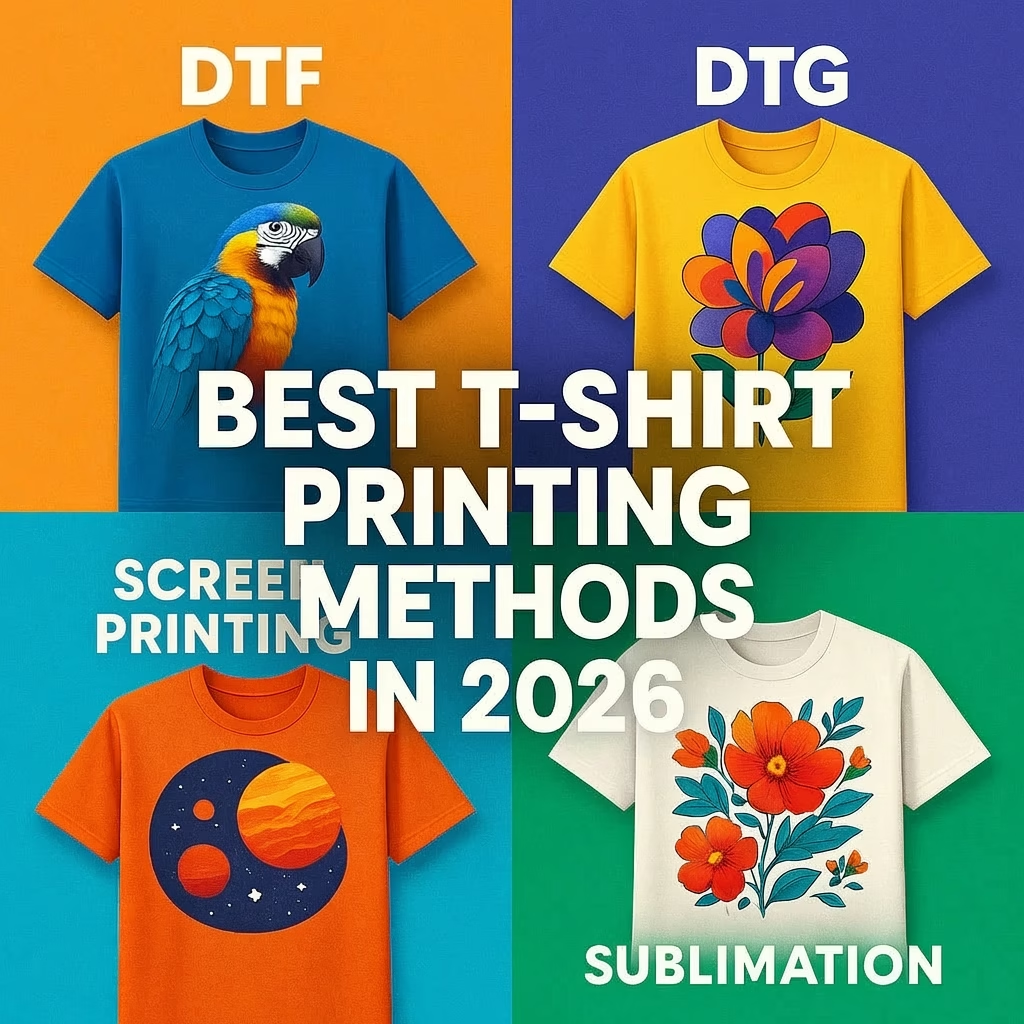
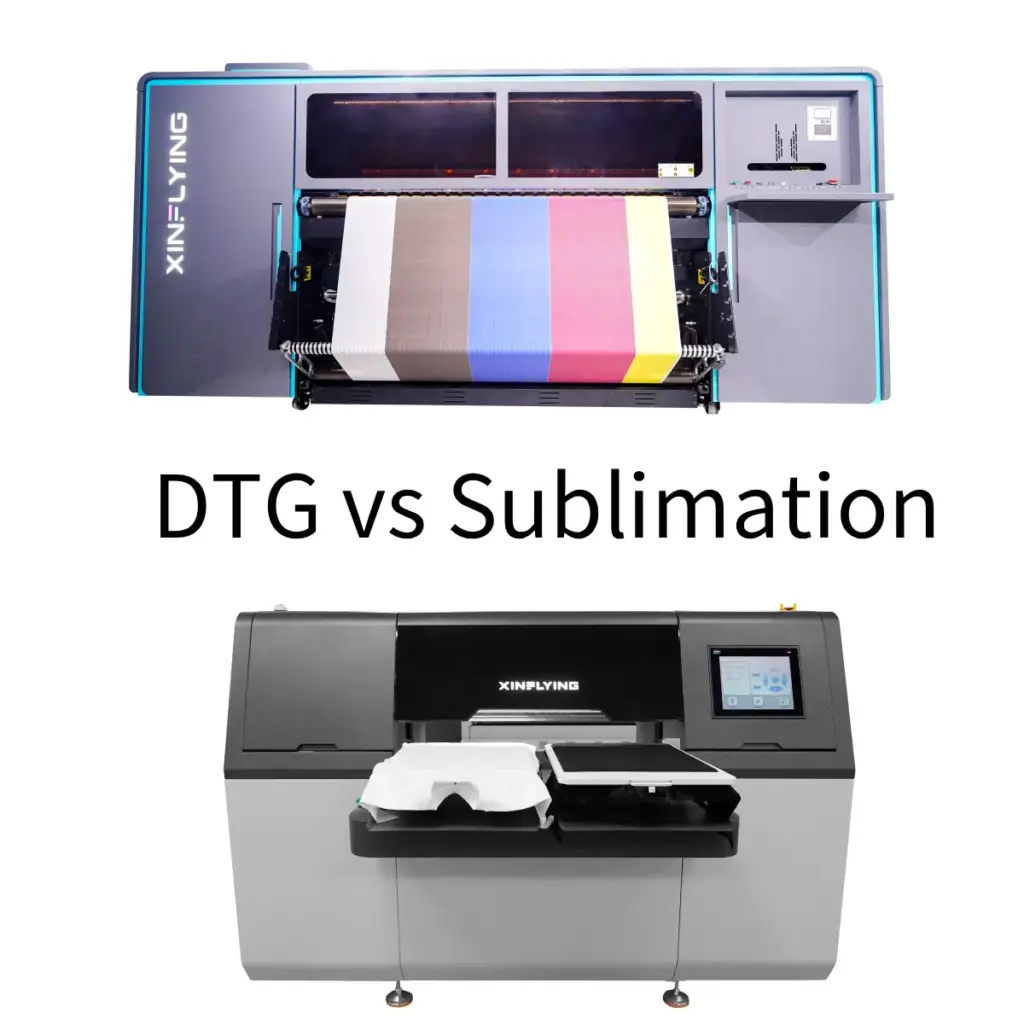
Tra le tecnologie più dibattute ci sono stampa a sublimazione E DTG (direttamente sull'indumento) stampa. Entrambi sono noti per l'eccellente qualità di stampa, ma ognuno serve materiali diversi, flussi di lavoro, e le esigenze aziendali. COSÌ, quale opzione è migliore per i tuoi obiettivi di stampa?
Questa guida analizza le differenze tra la qualità della stampa a sublimazione e quella DTG, costo, Compatibilità, durabilità, e altro ancora, così potrai prendere una decisione informata a lungo termine.
Cos'è la stampa a sublimazione?
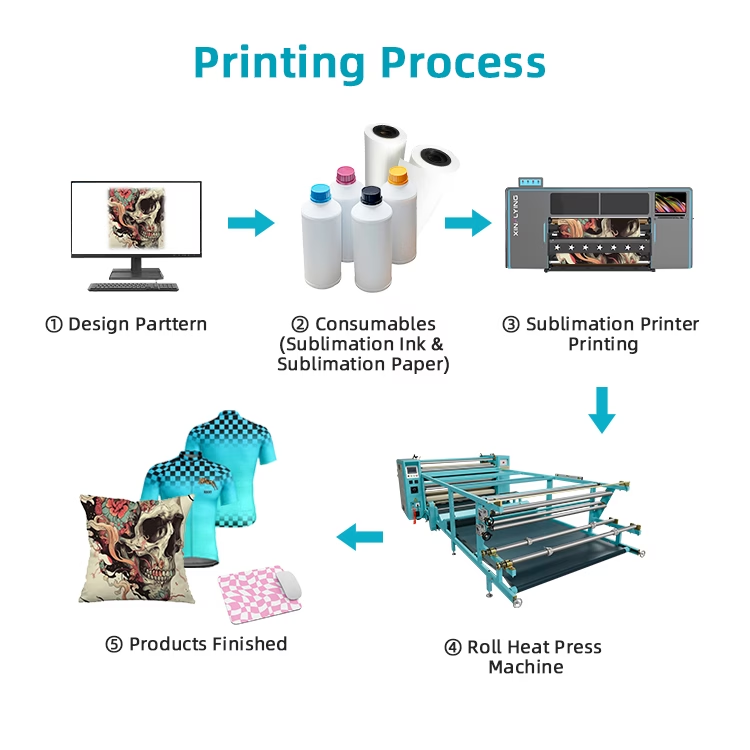
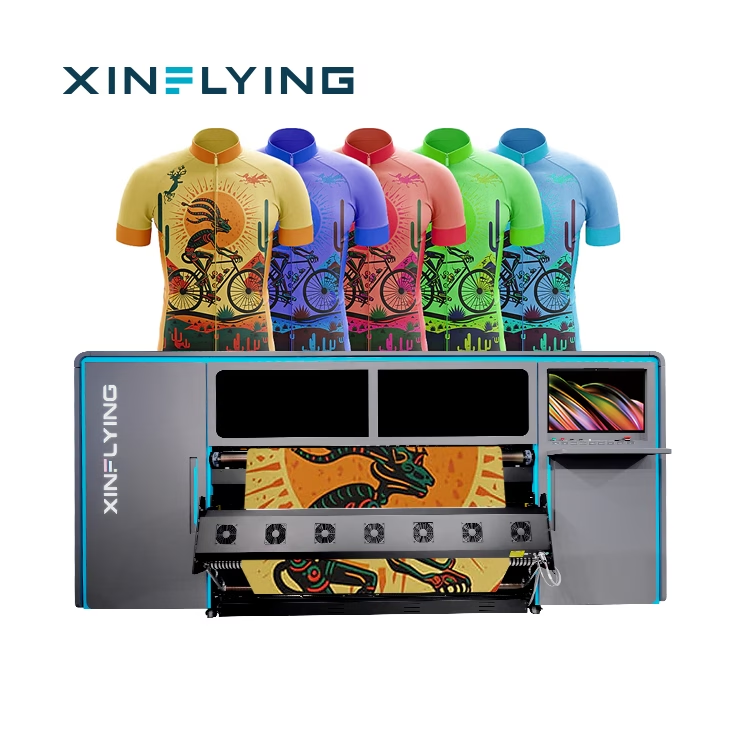
La stampa a sublimazione utilizza calore e pressione controllati per trasformare il colorante solido in gas, incollandolo direttamente su fibre di poliestere o superfici rivestite di polimero. Il processo inizia con una stampante a sublimazione che stampa i disegni su una speciale carta per sublimazione utilizzando inchiostro a sublimazione.
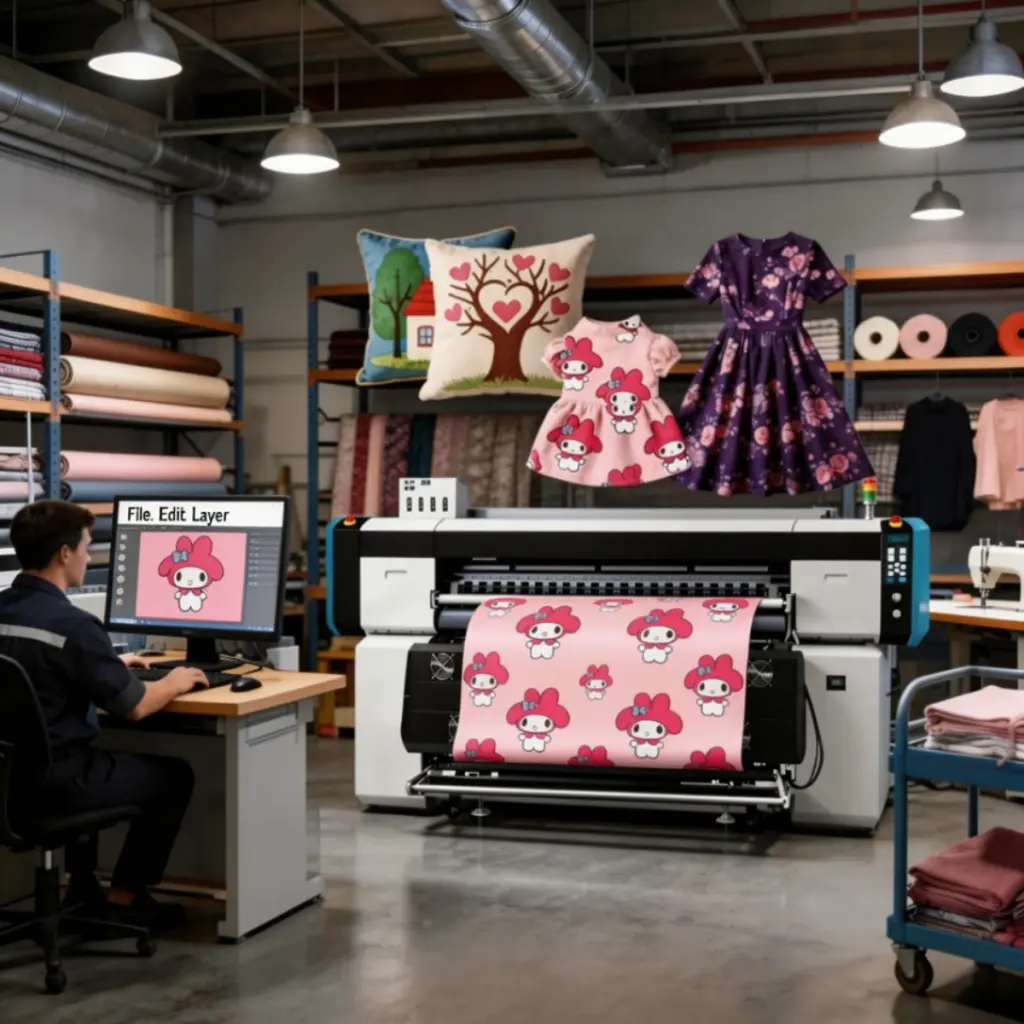
Perché l'inchiostro si fonde con la materia, la stampa diventa parte del tessuto, il che significa che non si rompe, sbucciare, o svanire. La sublimazione è ideale per i prodotti promozionali, abbigliamento sportivo, e tessuti stampati su richiesta.
Come funziona la stampa a sublimazione
- Crea il disegno utilizzando software di progettazione grafica.
- Stampa la grafica specchiata su carta sublimatica utilizzando inchiostro sublimatico.
- Posizionare la carta sul prodotto e fissarlo con nastro resistente al calore.
- Applicare calore e pressione utilizzando una pressa a caldo: questo trasforma l'inchiostro in gas e lo lega permanentemente al materiale.
- Lasciare raffreddare il prodotto, quindi staccare la carta per rivelare un permanente, stampa vibrante.
Pro della sublimazione
- Produce vivido, colori duraturi
- L'inchiostro diventa parte del tessuto, senza screpolature o sbucciature
- Liscio, finitura senza cuciture senza struttura in rilievo
- Eccellente per disegni fotografici e a colori
- Funziona su molti prodotti: tazze, bicchieri, abbigliamento, arredamento, eccetera.
Contro della sublimazione
- Compatibile solo con tessuti in poliestere o articoli rivestiti in polimero
- Non funziona 100% cotone
- Limitato a materiali chiari o bianchi
- Attrezzature e materiali di consumo possono essere costosi
- La velocità di produzione può rallentare a causa delle fasi di trasferimento del calore
Che cos'è la stampa DTG?
DTG (Diretto all'indumento) la stampa funziona come una stampante a getto d'inchiostro, ma stampa direttamente sul tessuto. L'inchiostro si lega a un capo pretrattato per creare capi altamente dettagliati, stampe morbide. DTG è ideale per progetti complessi, stampe fotografiche, e ordini di piccoli lotti.
A differenza della sublimazione, Il DTG funziona meglio sulle fibre naturali, in particolare sul cotone.
Come funziona la stampa DTG
- Pretrattare l'indumento per garantire il corretto legame dell'inchiostro.
- Prepara l'opera d'arte utilizzando software di progettazione o RIP.
- Stampa direttamente sul capo utilizzando inchiostri bianchi e colorati.
- Polimerizzare l'inchiostro utilizzando una pressa a caldo o un'unità di polimerizzazione incorporata.
- Prodotto finale è pronto con un morbido, stampa dettagliata.

Vantaggi della stampa DTG
- Ottimo per tessuti in cotone e fibre naturali
- Altamente dettagliato, stampe colorate, anche su indumenti scuri
- Produzione veloce e flusso di lavoro semplice
- Ideale per ordini di piccole quantità o personalizzati
Contro della stampa DTG
- Le stampe si depositano sulla superficie del tessuto e potrebbero sbiadire nel tempo
- Richiede il pretrattamento del tessuto
- Meno durevole rispetto alla sublimazione su poliestere
- I colori possono essere meno vivaci su tessuti scuri o molto strutturati
DTG contro. Sublimazione: Differenze chiave
1. Compatibilità del tessuto
- Sublimazione: Poliestere, miscele poli, prodotti rivestiti in polimero
- DTG: Tessuti in cotone e misto cotone
2. Qualità di stampa
- Sublimazione: Ultra vibrante, liscio, e permanentemente infuso nel materiale
- DTG: Altamente dettagliato ma può apparire meno vivace su capi scuri o strutturati
3. Costi di installazione
- DTG: Investimento iniziale più elevato ma minori costi ricorrenti dei materiali di consumo
- Sublimazione: Costo dell'attrezzatura inferiore ma richiede inchiostro a sublimazione & carta a lungo termine
4. Costo di esercizio
- DTG: $0.50–$ 3,50 per stampa a seconda del colore e della complessità
- Sublimazione: Più conveniente per lotti di grandi dimensioni e stampe all-over
5. Velocità di produzione
- DTG: Più veloce per i capi confezionati, ma richiede un pretrattamento
- Sublimazione: Stampa rapida ma flusso di lavoro più lungo per progetti interamente in tessuto
6. Durata
- Sublimazione: Estremamente resistente: diventa parte del tessuto
- DTG: Di buona qualità ma potrebbe sbiadire o rompersi nel tempo
7. Impatto ambientale
- DTG: Utilizza inchiostri a base acqua, Eco-friendly; i pretrattamenti variano
- Sublimazione: Coloranti a base d'acqua ma richiedono elevata energia per la pressatura a caldo
| Categoria | Stampa DTG | Stampa a sublimazione |
|---|---|---|
| Compatibilità dei materiali | Meglio per 100% cotone & fibre naturali | Funziona solo su articoli rivestiti in poliestere o polimero |
| Qualità di stampa | Elevato dettaglio; ottimo per progetti complessi | Estremamente vibrante; fotorealistico su poliestere |
| Costo di installazione | Investimento iniziale più elevato | Costo di installazione inferiore |
| Costo di esercizio | Costo per stampa più elevato (inchiostro + pretrattamento) | Costo per stampa inferiore, soprattutto per la massa |
| Velocità di produzione | Veloce per piccoli ordini; pretrattamento richiesto | Stampa veloce; più lento per la produzione completa del tessuto |
| Durata | Bene, ma può sbiadire/sbucciarsi nel tempo | Eccellente; fuso in fibre, non si spezzerà |
| Impatto ambientale | Inchiostri a base acqua ma sono coinvolti prodotti chimici di pretrattamento | Inchiostri ecologici; dipende dal consumo di energia termica |
| Ideale per | Ordini medio-piccoli, abbigliamento in cotone, opere d'arte dettagliate | Grandi ordini, indumenti in poliestere, abbigliamento sportivo, articoli promozionali |
Dovresti scegliere DTG o sublimazione?
Scegli DTG se:
- Con cui lavori 100% cotone
- Ne hai bisogno disegni altamente dettagliati o colorati
- Gestisci tu ordini piccoli o personalizzati
- Preferisci configurazione minima e produzione veloce
Scegli Sublimazione se:
- Stampa su tessuti in poliestere o sintetici
- Ne hai bisogno durevole, permanente, risultati vibranti
- Tu produci ordini all'ingrosso
- Tu sei un avvio con esigenze di produzione scalabili
In definitiva, la scelta migliore dipende dal tuo modello di business, gamma di prodotti, e la domanda dei clienti.
Conclusione
Sia la sublimazione che la stampa DTG offrono risultati eccellenti, ma per scopi diversi.
- DTG è la soluzione migliore per i capi in cotone, disegni intricati, e ordini medio-piccoli.
- Sublimazione è ideale per materiali in poliestere, colori vividi, e produzione in grandi volumi.
Non importa quale tecnologia scegli, Xinflying fornisce professionale, affidabile, e soluzioni di stampa convenienti per supportare la crescita della tua azienda.
Contatta Xinflying oggi per esplorare le stampanti che offrono prestazioni eccezionali, durata eccezionale, e un valore imbattibile per la tua attività di stampa su richiesta.