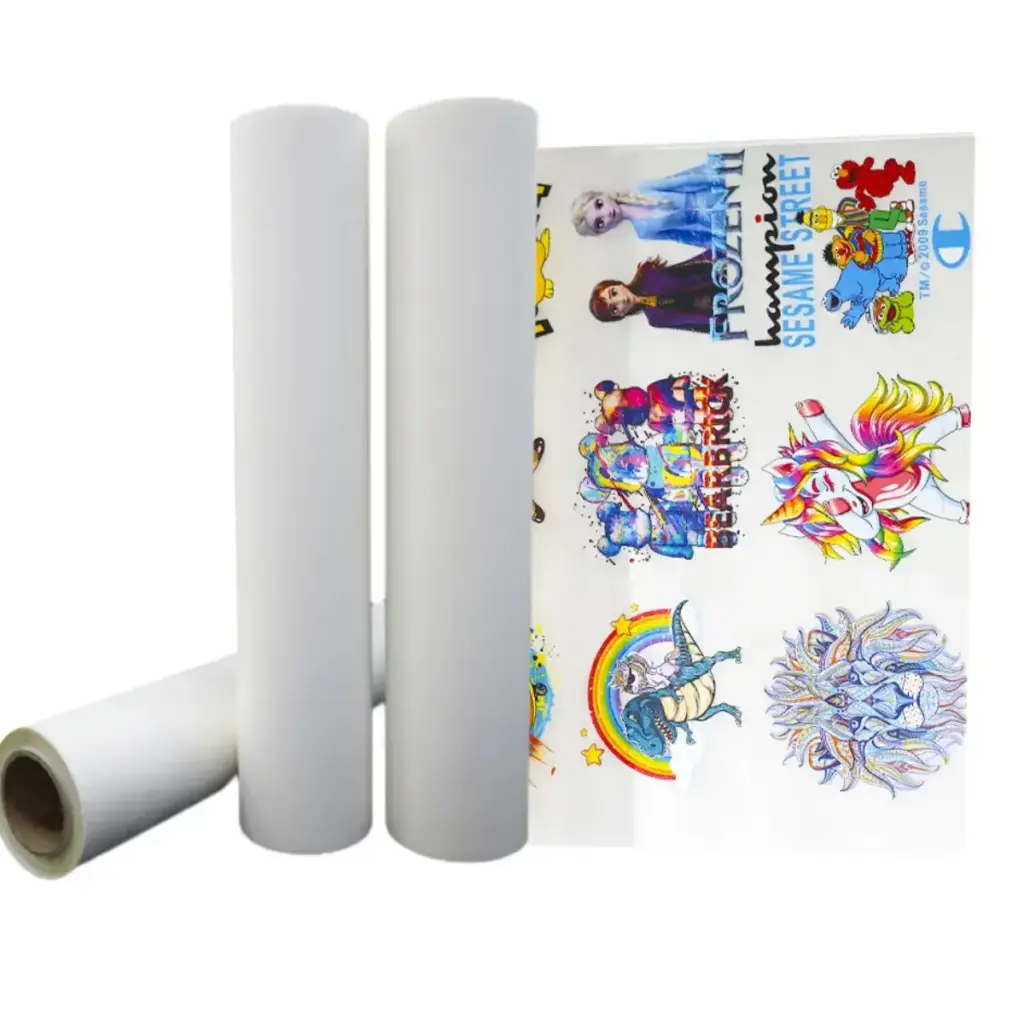
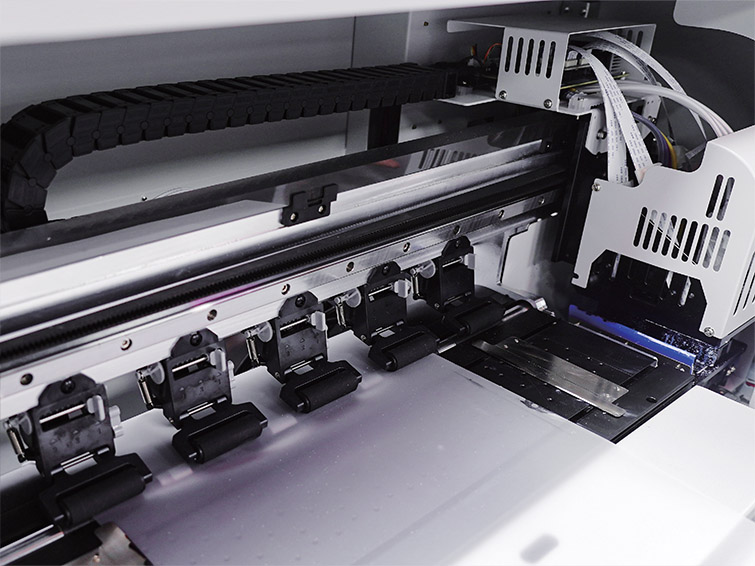
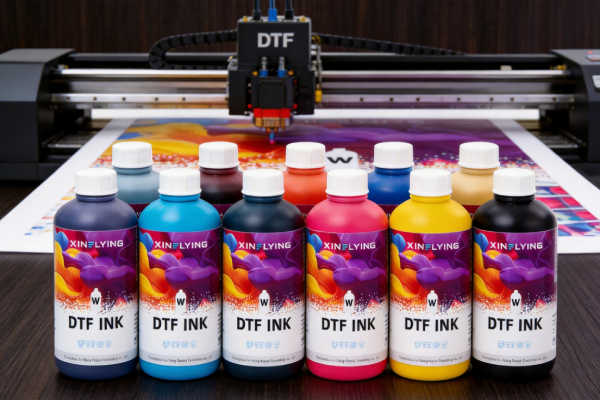
Sublimation and direct printing technologies each have optimal applications based on fabric composition in 2026, with printers increasingly offering both to serve diverse customer needs. Understanding the strengths and limitations of each approach helps print service providers recommend appropriate solutions for specific fabric types.
Sublimationsdruck works by converting solid dye to gas under heat and pressure, which then bonds with polyester fibers. The dye becomes part of the fiber rather than sitting on top, was zu lebendigem führt, durable prints that won’t crack or peel. Sublimation is limited to polyester and polyester-coated substrates—it does not work on natural fibers like cotton, linen, or wool.
Für 100% polyester fabrics, sublimation is often the best choice. The process produces bright, saturated colors with excellent wash fastness. All-over prints, where design covers the entire garment, are practical with sublimation because there’s no hand feel difference between printed and unprinted areas.
For polyester blends, sublimation works if polyester content is at least 70%. Lower polyester percentages produce muted, faded colors because there’s insufficient fiber to bond with the dye. For these blends, direct printing methods (DTF or DTG) are preferable.
Direct printing methods work on any fabric type. DTF prints onto film and transfers to fabric using adhesive powder, adhering to natural and synthetic fibers equally well. DTG prints ink directly onto fabric, requiring pre-treatment for dark garments but working on cotton and cotton blends.
Für 100% Baumwolle, DTG typically produces the softest hand feel because ink penetrates fibers rather than sitting on top. Jedoch, DTG requires pre-treatment for dark garments and white ink management adds complexity. DTF works on cotton as well, producing a slightly thicker feel but simpler workflow.
For cotton-polyester blends, both DTF and DTG work. DTF may be simpler for blends with complex compositions, as the process doesn’t require adjusting for fiber ratio. DTG may require profile adjustments for optimal results on different blend ratios.
For synthetic fabrics including nylon, spandex, und Mischungen, DTF is generally the best choice. Sublimation doesn’t bond with these materials without special coatings. DTG may have adhesion issues. DTF’s adhesive-based transfer works reliably across synthetic materials.
For leather and suede, DTF is the preferred method. The heat transfer process applies durable graphics without damaging the material surface. Sublimation doesn’t work on leather, and DTG has adhesion issues on non-porous surfaces.
For performance fabrics with moisture-wicking or antimicrobial treatments, testing is essential. Some treatments interfere with ink or adhesive bonding. DTF’s compatibility across fabric types makes it a good starting point for testing.
For print service providers, offering multiple technologies enables serving diverse customer needs. DTF provides the broadest fabric compatibility, making it a good primary technology. Adding sublimation for polyester applications or DTG for high-end cotton prints expands capabilities.
Xinflying offers DTF-Drucker for maximum fabric versatility, sublimation printers for polyester applications, and DTG printers for cotton-focused operations. Our technical team can advise on technology selection based on your target fabrics and markets.