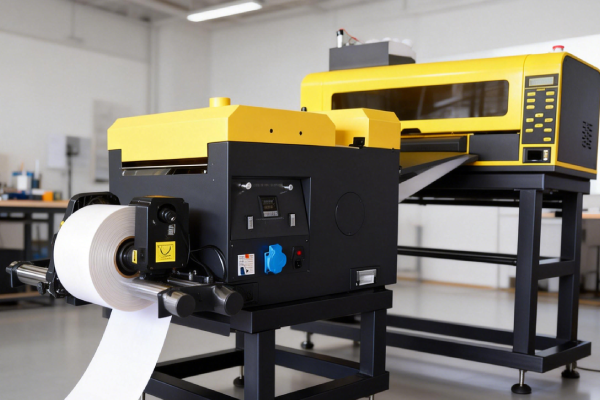
Predictive maintenance is transforming equipment reliability in digital textile printing in 2026, helping print service providers reduce downtime, extend equipment life, and lower operating costs. By leveraging sensors, data analytics, and machine learning, modern printing systems can detect potential failures before they occur, enabling planned maintenance instead of emergency repairs.
Traditional maintenance approaches fall into two categories: reactive maintenance (fixing equipment after it breaks) and preventive maintenance (servicing equipment on a fixed schedule regardless of condition). Both have significant drawbacks. Reactive maintenance causes unplanned downtime, rushed repairs, and potential secondary damage. Preventive maintenance may replace components prematurely, wasting their remaining useful life.
Predictive maintenance offers a smarter approach. Sensors monitor key parameters such as temperature, vibration, ink flow rates, and printhead firing patterns. Machine learning algorithms analyze this data to identify anomalies that precede failures. When the system detects an emerging issue, it alerts operators and recommends specific maintenance actions—often days or weeks before actual failure.
For DTF printers, predictive maintenance is particularly valuable. Printheads are expensive components that degrade gradually. By monitoring nozzle firing patterns and drop ejection characteristics, predictive systems can identify developing clogs or misalignments before they affect print quality. Operators can perform targeted cleaning or adjustments during scheduled downtime rather than discovering issues through defective prints.
Ink delivery systems also benefit from predictive monitoring. Sensors track ink viscosity, दबाव, and flow rates, detecting changes that may indicate filter clogs, pump wear, or air leaks. Early detection prevents print defects and reduces consumables waste from misprints.
Powder application units in DTF systems can be monitored for consistent distribution. Sensors detect variations in powder thickness that may indicate clogged sieves or uneven application, allowing adjustments before transfers show visible defects.
Heat press maintenance is another application. Temperature sensors and heating element monitoring can predict failures before they occur, preventing incomplete transfers and customer complaints. Predictive systems also track platen pressure uniformity, detecting misalignments that cause uneven transfers.
For print service providers, the benefits of predictive maintenance are substantial. Unplanned downtime can cost thousands of dollars per hour in lost production and missed deadlines. Predictive maintenance reduces downtime by up to 50%, extends equipment life by 20–40%, and lowers maintenance costs by 25–30% according to industry studies.
Predictive maintenance also supports remote monitoring and management. Equipment manufacturers and service providers can monitor printer fleets from central locations, identifying issues and dispatching technicians with appropriate parts and tools. This reduces on-site time and accelerates repairs.
Xinflying Group’s डीटीएफ प्रिंटर और उर्ध्वपातन प्रिंटर incorporate advanced monitoring and diagnostic capabilities, helping businesses maximize uptime and productivity. Our technical support team can help customers implement predictive maintenance strategies tailored to their production environments.