Waste reduction strategies are improving profitability and sustainability for digital textile printers in 2026, with systematic approaches to minimizing consumables waste, エネルギー消費, and defective prints. According to industry analysis, printers implementing comprehensive waste reduction programs typically reduce operating costs by 15–25% while improving environmental performance.
Waste in digital printing takes many forms. Misprints and rejected transfers waste materials and labor. Inefficient nesting leaves unused film area. Over-application of ink or powder consumes excess consumables. Energy waste from idle equipment or inefficient settings increases utility bills. Packaging waste from incoming supplies and outgoing shipments adds disposal costs.
Quality management is the foundation of waste reduction. Preventing defects eliminates waste at its source. Implementing systematic quality checks—including first-article inspection, in-process monitoring, and final verification—catches issues before they generate waste. Statistical process control helps identify and address root causes of variation.
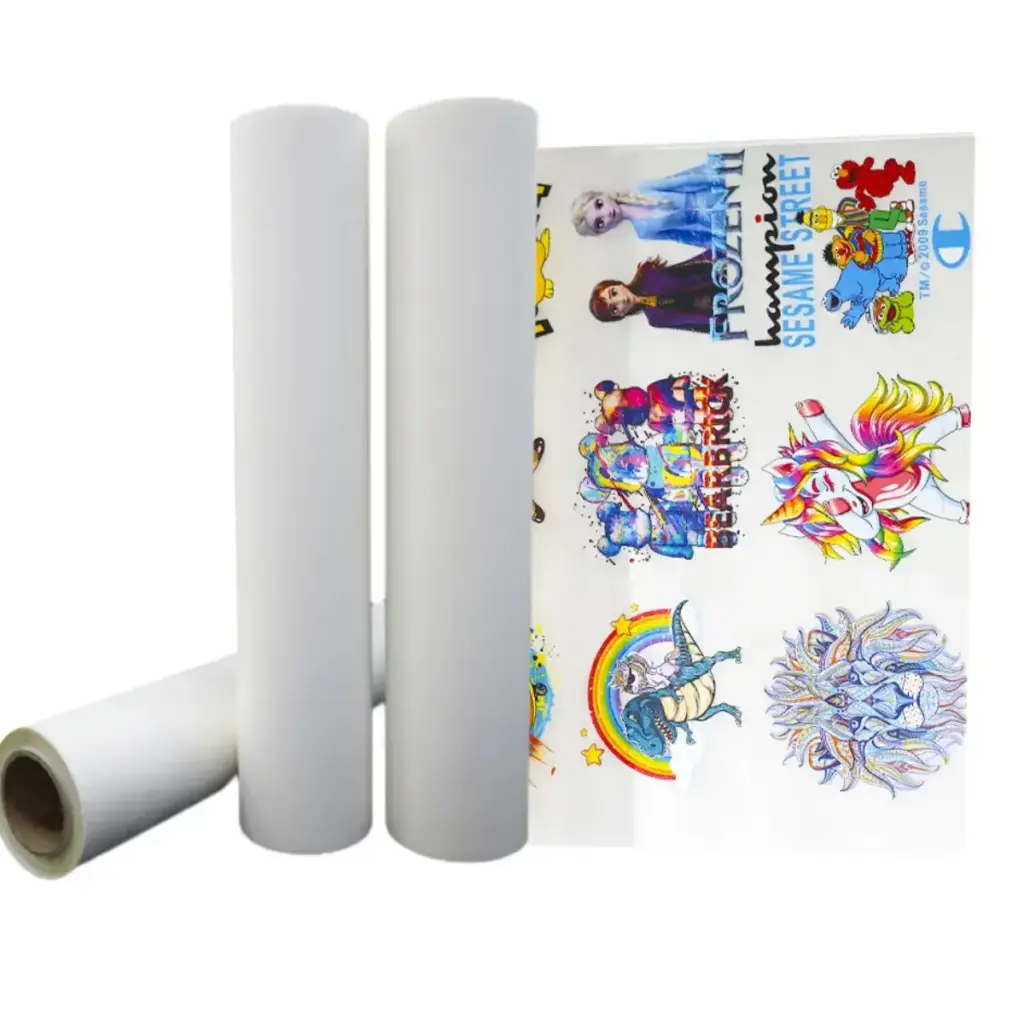
Nesting optimization reduces film waste. RIP software with automatic nesting can arrange designs on film rolls to maximize density and minimize gaps. Advanced algorithms consider shape, サイズ, and orientation to achieve 90–95% film utilization compared to 70–80% for manual layout. Over thousands of prints, this difference significantly impacts material costs.
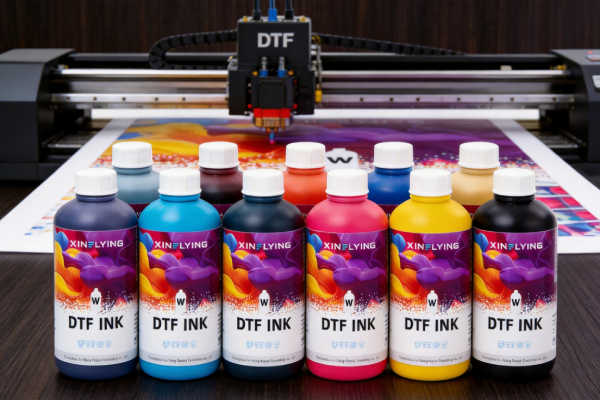
インク optimization reduces consumption without sacrificing quality. RIP software can reduce ink coverage in non-critical areas, use light inks instead of heavy deposits for pastel colors, and adjust ink limits to prevent over-saturation. These optimizations typically reduce ink consumption by 15–25% with no visible quality difference.
粉 application optimization for DTFプリンター reduces waste and improves quality. Automated powder systems with feedback control apply consistent thickness, avoiding over-application that wastes powder and creates rough texture. Proper powder recovery systems capture overspray for reuse, further reducing waste.
Energy efficiency measures reduce utility costs and carbon footprint. LED curing systems consume 70–80% less energy than mercury lamps. Heat press insulation reduces heat loss and recovery time. Idle shutdown systems turn off equipment after periods of inactivity. These measures typically reduce energy costs by 20–30%.
Consumables packaging waste can be addressed through supplier partnerships. Bulk packaging reduces per-unit packaging weight. Returnable containers eliminate single-use packaging. Suppliers who accept packaging for recycling or reuse reduce disposal costs.
For print-on-demand operations, order batching can reduce waste from frequent changeovers. Batching similar orders reduces setup waste and improves efficiency. しかし, batching must balance against customer expectations for fast turnaround—optimization requires understanding customer requirements.
Employee engagement is essential for waste reduction success. Operators who understand waste costs and reduction goals will identify improvement opportunities. Incentive programs that share waste reduction savings with employees drive engagement and creativity.
Measuring waste is the first step to reducing it. Track key metrics including yield (good prints / total prints), material utilization (actual consumption vs theoretical minimum), and energy intensity (energy per unit of output). Regular reporting and review drive continuous improvement.
Xinflying’s DTF printers and 昇華プリンター are designed for efficiency, with features including automated powder control, intelligent ink management, and energy-saving modes. Our technical team can advise on waste reduction strategies tailored to your operation.