Pengenalan
Berfikir untuk memulakan perniagaan percetakan t-shirt anda sendiri tetapi tidak pasti di mana untuk bermula? DTF (Langsung ke filem) percetakan boleh menjadi penyelesaian yang sempurna untuk anda. Bukan sahaja ia mesra pemula, tetapi ia juga merupakan salah satu kaedah yang paling menguntungkan dalam dunia percetakan. Dengan Yahoo Finance meramalkan pasaran DTF akan dicapai $2.72 bilion oleh 2024, tidak pernah ada masa yang lebih baik untuk menyelam.
Bahagian yang terbaik? Percetakan DTF cukup mudah untuk dilakukan di rumah. Tidak memerlukan jentera yang rumit atau persediaan yang mahal—hanya beberapa alat dan bahan penting. Panduan pemula ini akan membimbing anda melalui asas pencetakan DTF, daripada peralatan yang anda perlukan kepada proses memindahkan reka bentuk ke fabrik.
Apakah Percetakan DTF dan Mengapa Anda Perlu Mencubanya?
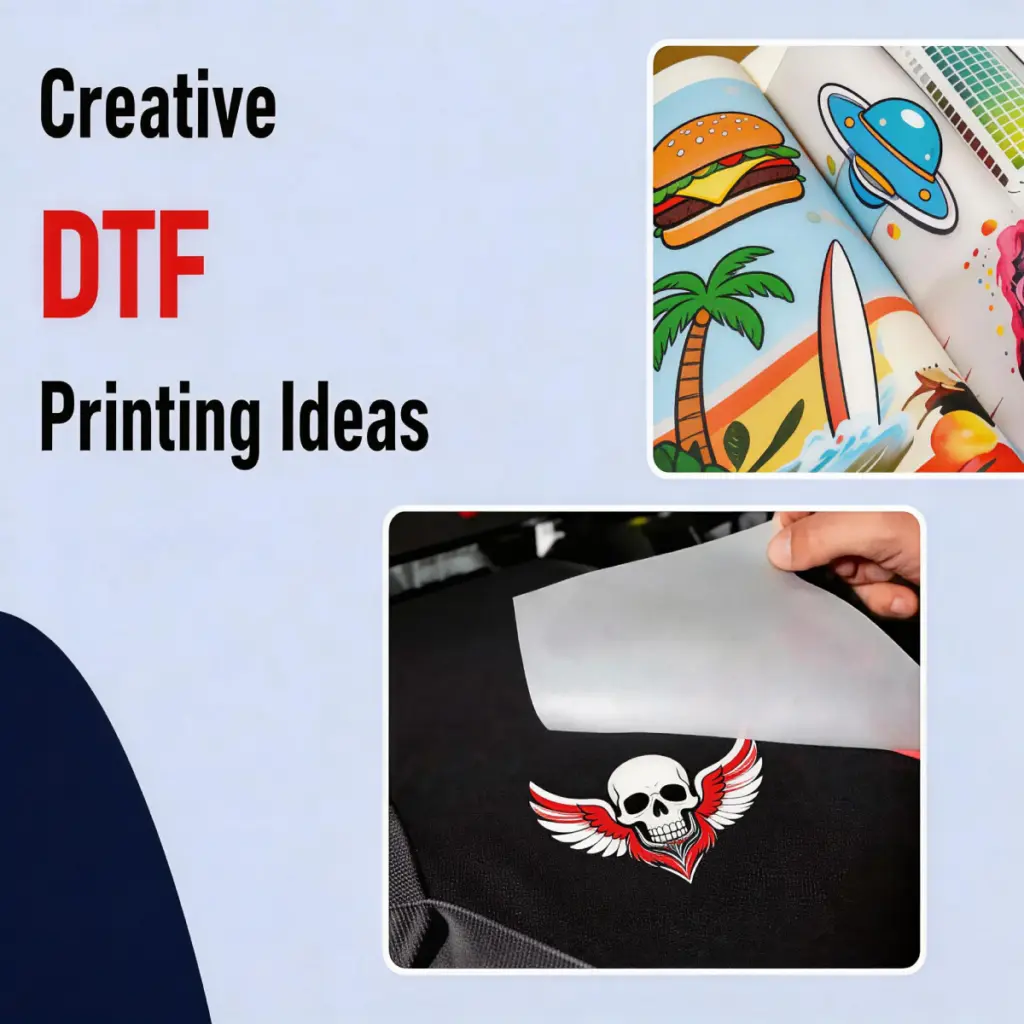
Percetakan DTF ialah kaedah di mana reka bentuk dicetak pada filem pemindahan khas, disalut dengan serbuk pelekat, dan kemudian panaskan ditekan pada kain pilihan anda. Walaupun ia mungkin kedengaran rumit, prosesnya sebenarnya agak mudah dan mesra pengguna, Terutama untuk pemula.
Berikut ialah beberapa faedah utama pencetakan DTF:
- Bersemangat, Cetakan Berkualiti Tinggi: Percetakan DTF menghasilkan tajam, berwarna warni, dan reka bentuk terperinci. Ia boleh mengendalikan karya seni yang rumit dan kompleks, menjadikannya sesuai untuk t-shirt tersuai dan barangan promosi lain.
- Bekerja pada Pelbagai Fabrik: Sama ada anda bekerja dengan kapas, poliester, atau kain campuran, Percetakan DTF sangat serba boleh. Anda juga boleh mencetak pada bahan berwarna gelap tanpa perlu risau tentang reka bentuk yang pudar.
- Tiada Prarawatan Diperlukan: Tidak seperti kaedah percetakan lain yang memerlukan prarawatan fabrik, Pencetakan DTF memudahkan proses dengan membenarkan anda mencetak terus pada filem. Satu-satunya penyediaan yang diperlukan ialah mengawet serbuk pelekat, yang menjimatkan masa anda.
- Masa pemulihan cepat: Dengan percetakan DTF, anda boleh membuat cetakan berkualiti tinggi di bawah 12 minit, termasuk proses menekan haba.
- Penyelenggaraan Rendah: Proses ini agak rendah penyelenggaraan, dengan sedikit bahagian bergerak dan pembersihan yang minimum berbanding kaedah percetakan lain.
Peralatan dan Bahan Penting untuk Percetakan DTF di Rumah
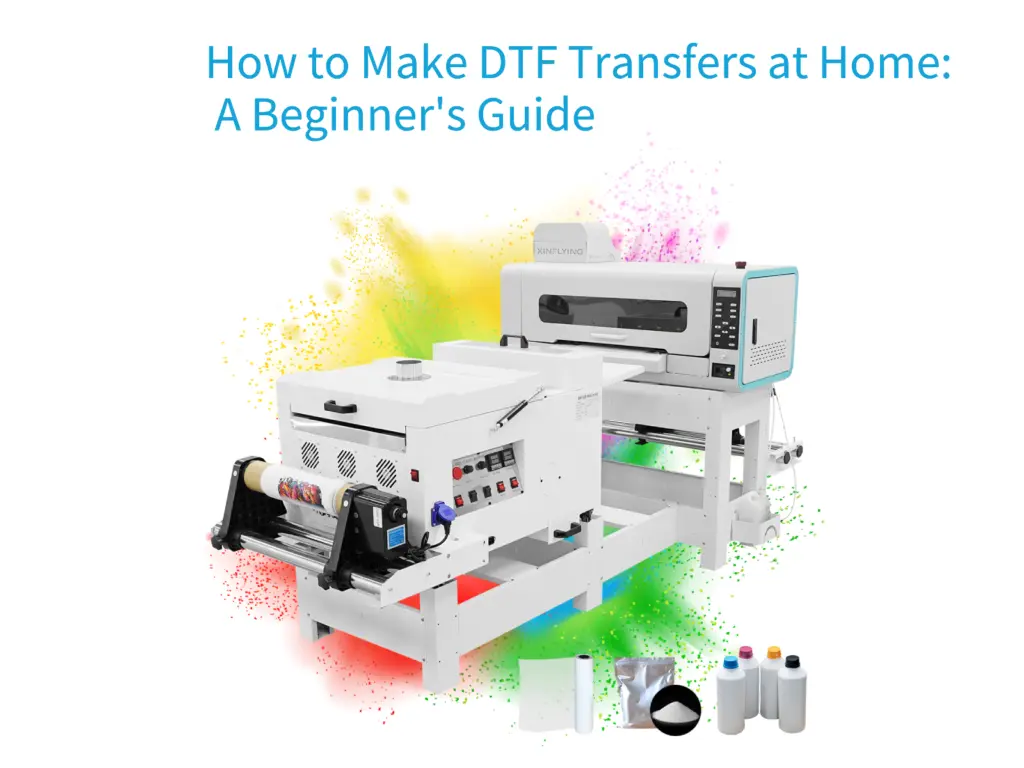
Sebelum anda mula mencetak, terdapat beberapa alat dan bahan penting yang anda perlukan untuk memastikan kejayaan. Berikut ialah pecahan item utama yang diperlukan:
- Pencetak DTF:
Untuk bermula, anda memerlukan pencetak yang boleh mengendalikan pencetakan DTF. Untuk pemula, Pencetak A4 atau A3 peringkat permulaan berfungsi dengan sempurna. Model yang lebih kecil ini membolehkan anda bereksperimen dengan reka bentuk yang lebih kecil, dan anda boleh meningkatkan apabila kemahiran anda bertambah baik. - Habis -habisan:
Bahan habis pakai termasuk filem pemindahan DTF, serbuk pelekat, dan dakwat. Bahan-bahan ini akan digunakan semasa proses percetakan, jadi sebaiknya melabur dalam produk berkualiti. Membeli secara pukal boleh menjimatkan wang anda dalam jangka masa panjang. - Mesin Penekan Haba:
Mesin penekan haba adalah satu kemestian untuk memindahkan reka bentuk anda ke fabrik. Pilih satu dengan tetapan suhu dan tekanan boleh laras. Saiz plat 15"x15" atau 16"x20" sesuai untuk pemula. Cari mesin dengan paparan digital untuk kawalan yang lebih baik. - Komputer dengan Perisian RIP:
Anda memerlukan komputer dengan RIP (Pemproses imej raster) perisian untuk mengurus dan menyediakan reka bentuk anda. Perisian ini penting untuk menukar reka bentuk anda kepada format yang boleh difahami oleh pencetak. - Fabrik (Substrat):
Mulakan dengan satu jenis kain, seperti kapas, untuk membiasakan diri dengan proses percetakan. Setelah anda menguasai ini, anda boleh bereksperimen dengan bahan lain, termasuk poliester, Fabrik dicampur, dan banyak lagi. - Alatan Memotong:
Alat pemotong seperti gunting, pemotong berputar, dan pisau kraf diperlukan untuk memangkas filem pemindahan sebelum menekan haba. Anda tidak memerlukan mesin pemotong dengan segera—alat asas sudah memadai untuk bermula.
Memilih Pencetak yang Tepat untuk Pencetakan DTF
Peralatan yang anda pilih memainkan peranan besar dalam kejayaan anda dengan pencetakan DTF. Walaupun banyak pencetak DTF berkualiti tinggi tersedia, anda tidak perlu melabur dalam model teratas lagi.
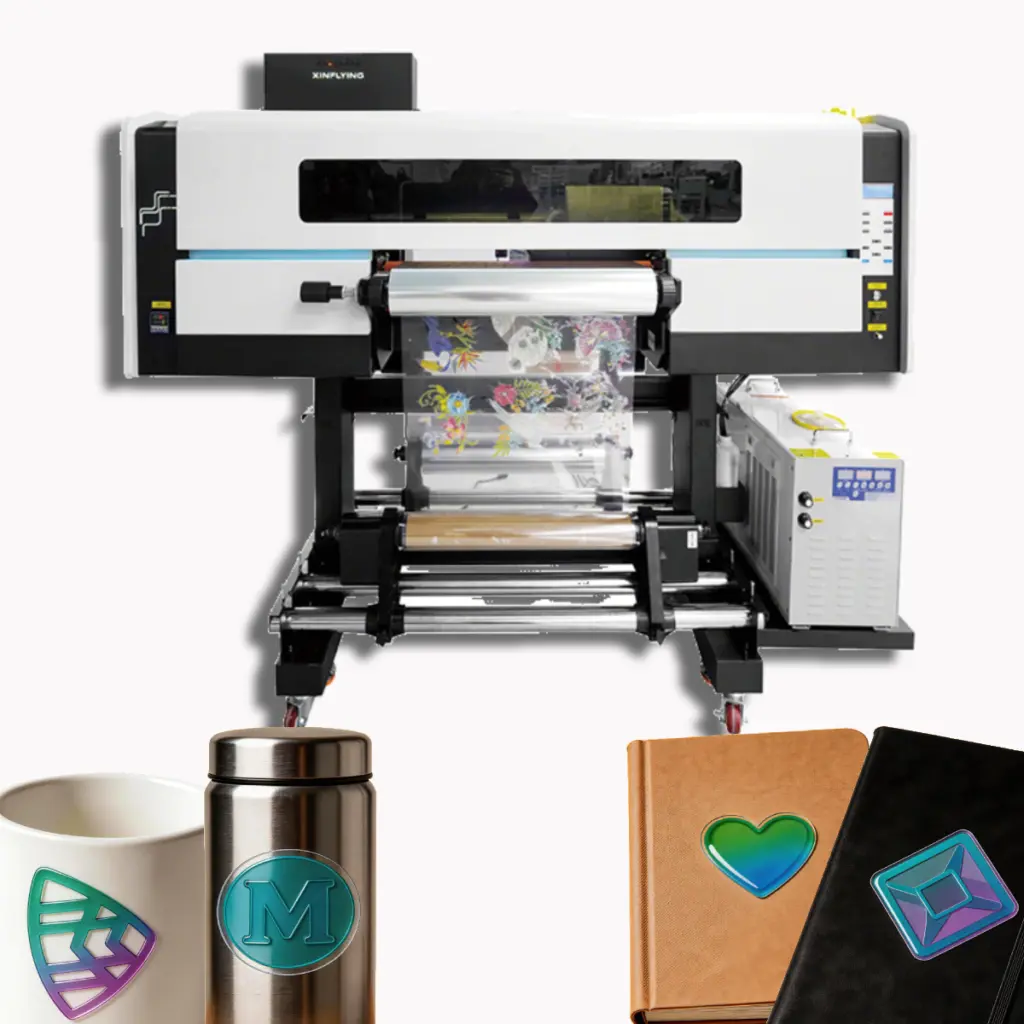
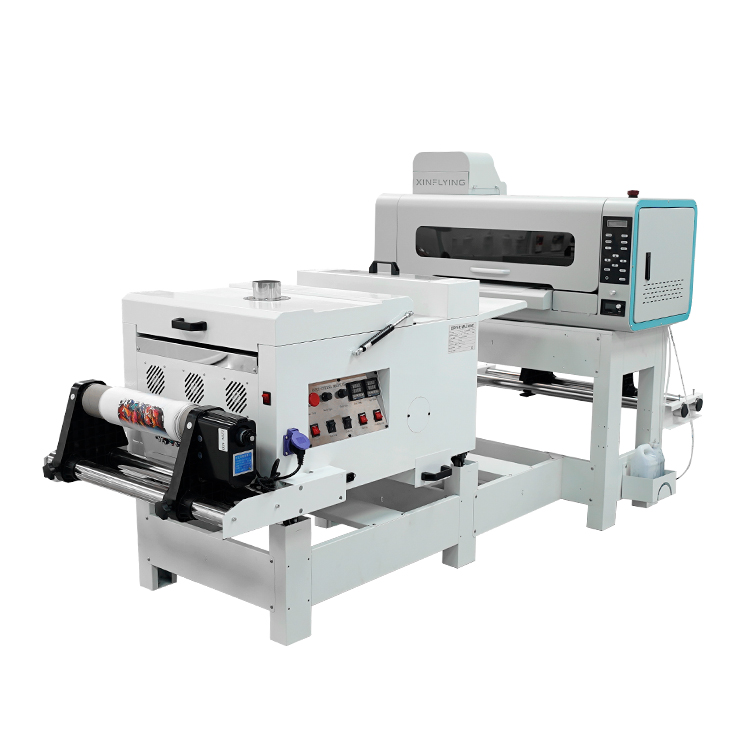
Satu pilihan popular untuk pemula ialah Xinflying A2 Dual I1600 Printheads DTF Printer. Ia padat, mudah untuk digunakan, dan sesuai untuk perniagaan yang lebih kecil atau persediaan rumah. Dengan Epsonnya 1600 kepala cetak, ia menghasilkan cetakan bertenaga menggunakan dakwat CMYK+W. Model ini mencetak sehingga 12 inci lebar, dan dengan kelajuan 1.6 m² sejam pada peleraian yang lebih rendah, ia bagus untuk cepat, hasil yang berkualiti tinggi. Selain itu, sistem percetakan gulung dan antara muka skrin sentuh menjadikannya mesra pengguna untuk pemula.
Proses Pencetakan DTF di Rumah
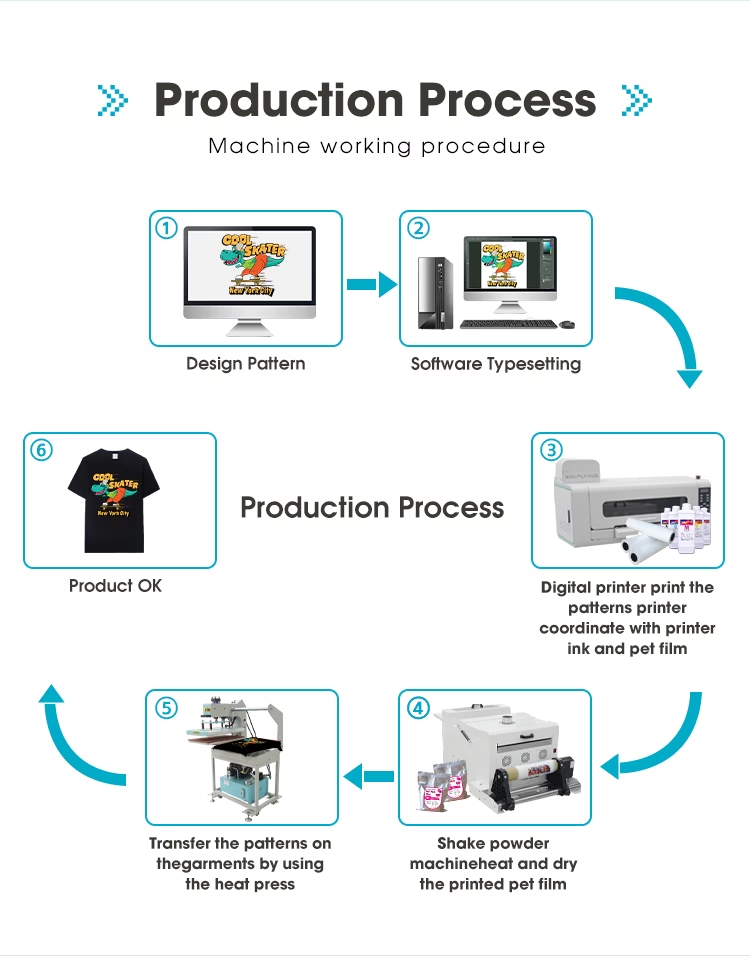
Sekarang anda mempunyai peralatan, sudah tiba masanya untuk menyelami proses pencetakan DTF sebenar. Berikut ialah panduan langkah demi langkah:
- Buat atau Pilih Reka Bentuk Anda:
Menggunakan komputer dan perisian RIP anda, mulakan dengan reka bentuk mudah seperti logo atau teks. Apabila anda mendapat keyakinan, anda boleh beralih kepada grafik yang lebih rumit. - Cetak Reka Bentuk pada Filem Pemindahan:
Muatkan filem pemindahan ke dalam pencetak anda dan cetak reka bentuk. Pastikan filem itu dijajarkan dengan betul untuk mengelakkan comot atau salah cetakan. - Sapukan Serbuk Pelekat:
Sejurus selepas dicetak, sapukan serbuk pelekat pada dakwat basah pada filem pemindahan. Goncangkan sebarang serbuk yang berlebihan untuk salutan yang sekata. - Ubat Reka Bentuk:
Menggunakan penekan haba anda, menyembuhkan serbuk pelekat. Langkah ini mencairkan serbuk dan memastikan ia terikat pada dakwat. - Haba Tekan Reka Bentuk pada Fabrik:
Letakkan filem pemindahan pada kain anda, selaraskannya dengan betul, dan tekan menggunakan penekan haba. Pastikan anda memanaskan sedikit fabrik untuk mengeluarkan sebarang lembapan. - Kupas dan selesai:
Selepas menekan, anda boleh mengupas filem itu. Jika filem itu jenis hot peel, keluarkannya dengan segera. Untuk filem kulit sejuk, tunggu reka bentuk sejuk sebelum dikupas.
Kesimpulan
Percetakan DTF ialah pilihan ideal untuk pemula yang ingin memasuki industri percetakan tersuai. Ia menjimatkan kos, mudah untuk disediakan, dan cukup serba boleh untuk mencetak pada pelbagai jenis fabrik. Sama ada anda memulakan hobi atau perniagaan kecil, Percetakan DTF menawarkan yang cepat, penyelesaian penyelenggaraan rendah untuk mencipta cetakan berkualiti tinggi.
Dengan mengikuti langkah mudah yang digariskan dalam panduan ini dan melabur dalam peralatan yang betul, anda akan dapat mencipta bersemangat, reka bentuk profesional dari keselesaan rumah anda. Jangan bimbang tentang kesilapan-ia adalah sebahagian daripada proses pembelajaran. Sambil menimba pengalaman, kemahiran dan kualiti reka bentuk anda akan bertambah baik. Mulakan perjalanan DTF anda hari ini dan buka potensi kreatif anda!
Soalan Lazim
- Bagaimanakah cara saya melakukan pemindahan DTF di rumah?
Untuk memulakan pemindahan DTF di rumah, anda memerlukan pencetak DTF, Mesin tekan panas, perisian RIP, filem pemindahan, serbuk pelekat, dan kain. Pastikan anda mempunyai ruang kerja yang mempunyai pengudaraan yang baik dan storan yang sesuai untuk bahan habis pakai. - Adakah saya memerlukan pencetak yang mahal untuk bermula?
Tidak, anda boleh bermula dengan pencetak peringkat permulaan atau ditukar. Asalkan pencetak boleh mengendalikan dakwat putih (sebagai tambahan kepada CMYK), anda baik untuk pergi. - Apakah fabrik yang boleh saya gunakan untuk pemindahan DTF?
Pemindahan DTF berfungsi pada hampir semua fabrik, termasuk kapas, poliester, dan bahan campuran. Anda boleh mencetak pada fabrik berwarna terang dan gelap. - Apakah kelebihan percetakan DTF?
Percetakan DTF adalah serba boleh, kos efektif, dan mudah digunakan. Ia tidak memerlukan prarawatan, dan ia berfungsi pada pelbagai fabrik tanpa menjejaskan kualiti cetakan. - Apakah jangka hayat filem dan dakwat pemindahan DTF?
Filem DTF biasanya bertahan 6 bulan hingga setahun, manakala dakwat boleh bertahan di mana-mana sahaja 12 kepada 24 bulan, bergantung pada keadaan penyimpanan.