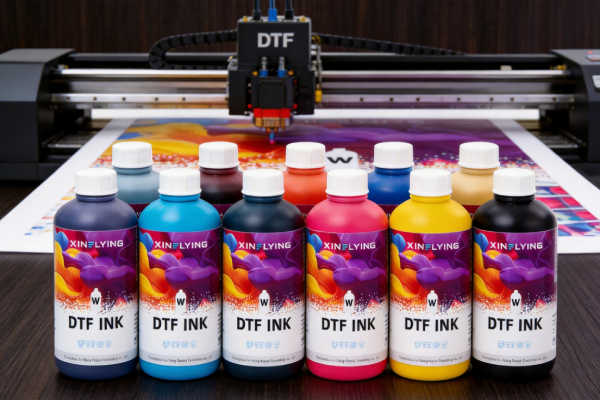
AI-powered color management is transforming digital textile printing in 2026, enabling consistent color reproduction across different printers, substrates, and production environments. Machine learning algorithms analyze print results and automatically adjust ink deposition, compensation curves, and calibration settings to maintain color accuracy.
Traditional color management relies on manual profiling and periodic calibration. Operators print test targets, measure colors with spectrophotometers, and generate ICC profiles. When conditions change—different fabric batches, temperature variations, printhead wear—new profiles must be created manually. This process is time-consuming and requires specialized expertise.
AI-powered systems automate much of this work. Inline spectrophotometers measure printed colors continuously, providing real-time feedback to RIP software. Machine learning algorithms compare measured colors to expected values and calculate compensation curves automatically. Adjustments are applied to subsequent prints without operator intervention.
The benefits are substantial. Consistent color across long production runs reduces waste from misprints and rework. Color matching between different printers—even different models or manufacturers—enables distributed production without visible variation. Quick adaptation to substrate changes reduces setup time for new jobs.
For DTF printers, AI color management is particularly valuable. White ink layers affect overlying colors in complex ways. Machine learning models can predict how white ink density, printhead temperature, and powder application interact to affect final color. This enables accurate color reproduction even when white ink variables change.
For sublimation printers, AI color management addresses the challenge of transfer variability. Different fabrics, transfer pressures, and temperatures affect final color. AI systems can learn these relationships and adjust print files to compensate, ensuring consistent results across diverse substrates.
Brand color matching is a key application. Major brands require precise reproduction of their logo colors across all printed materials. AI color management can achieve delta-E values below 1.0—imperceptible to the human eye—even on challenging substrates.
Multi-location print operations benefit significantly from AI color management. When colors are consistent across all facilities, brands can distribute production across locations without visible variation. This enables capacity balancing and disaster recovery without compromising brand standards.
Implementation approaches vary. Some RIP software includes AI-powered color management as a built-in feature. Others offer optional modules or third-party integrations. Cloud-based color management services enable centralized profiling and distribution of color standards across distributed printers.
For print service providers, AI color management is becoming a competitive necessity. Customers increasingly expect consistent color regardless of when or where prints are produced. Printers who can deliver this consistency can command premium prices and secure long-term contracts.
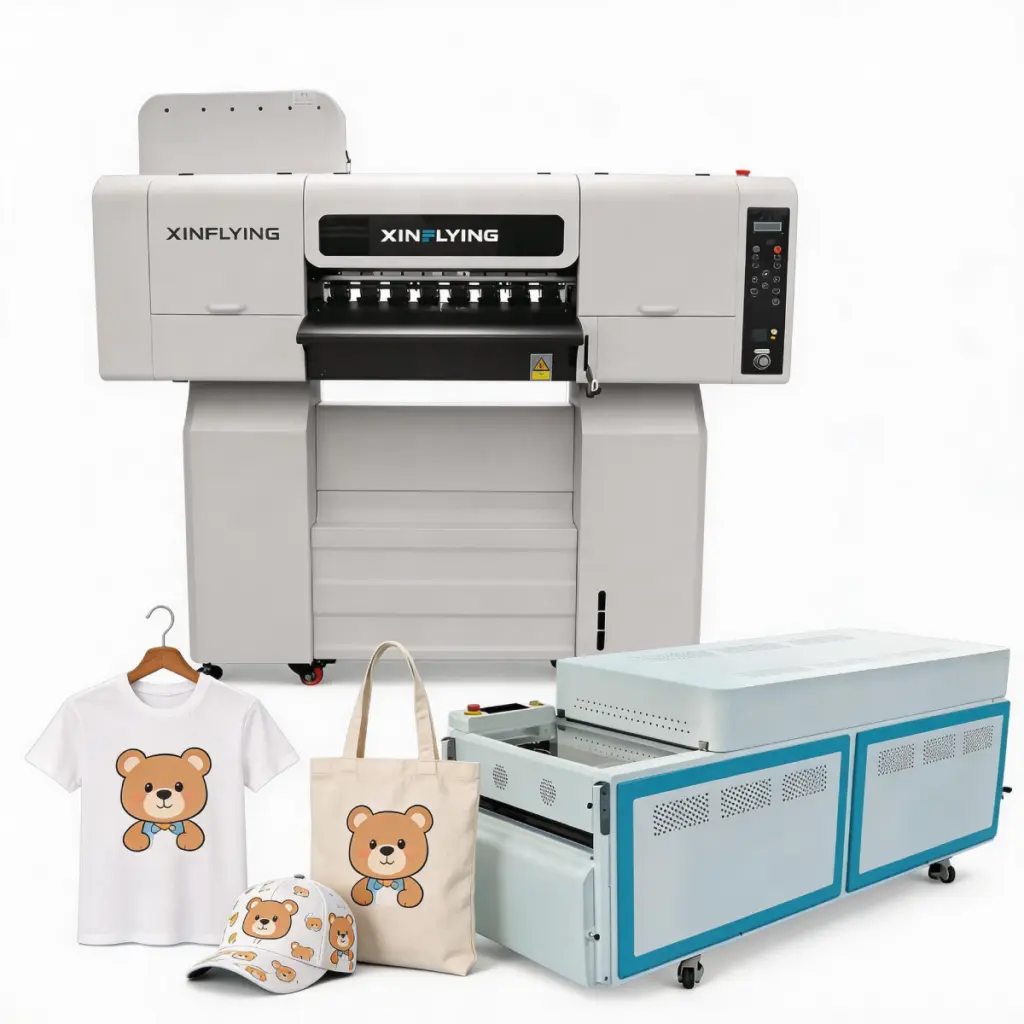
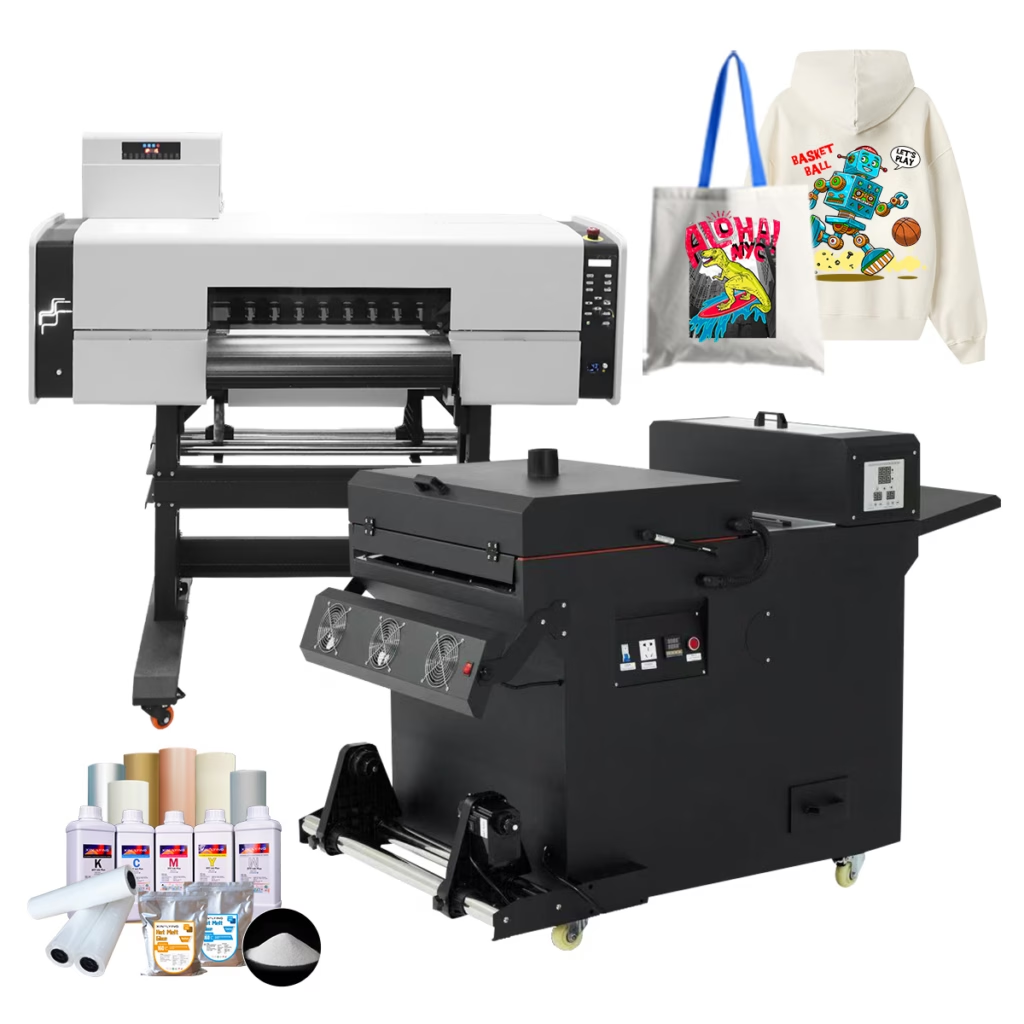
Xinflying’s طابعات دي تي إف و طابعات التسامي are compatible with leading AI-powered color management solutions, helping businesses achieve consistent, accurate color reproduction across all production.