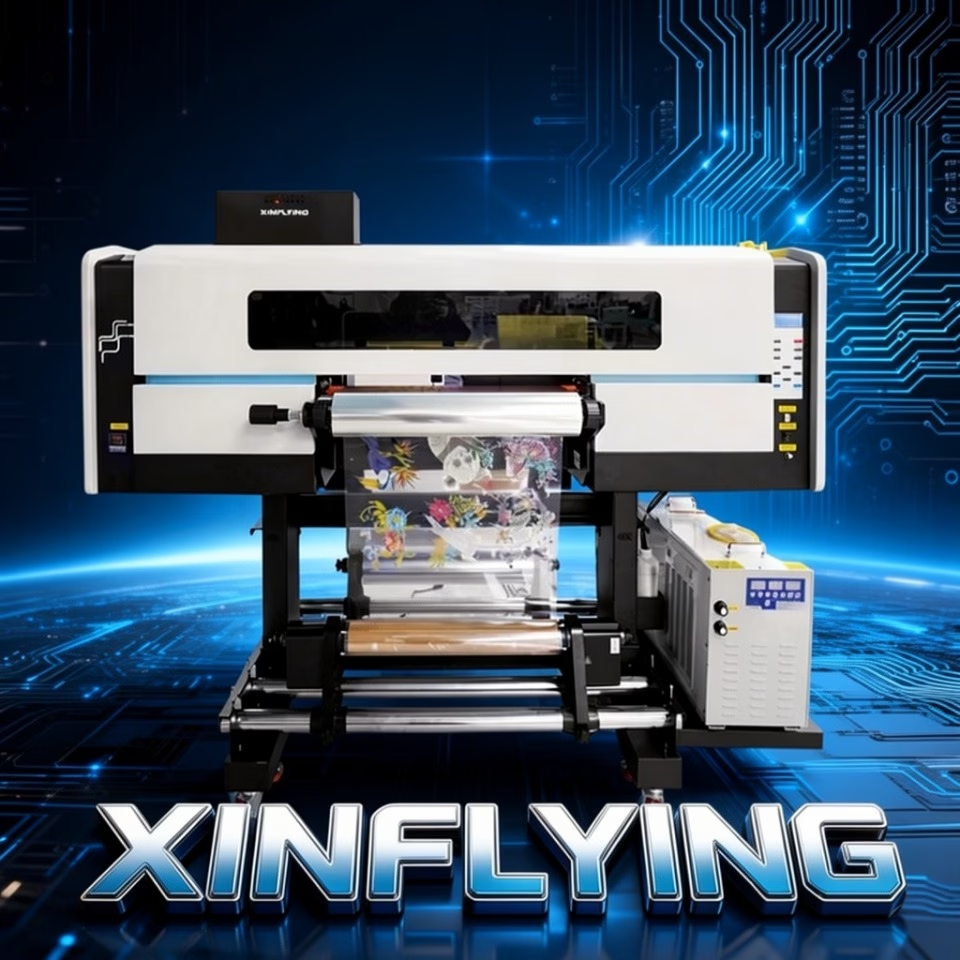
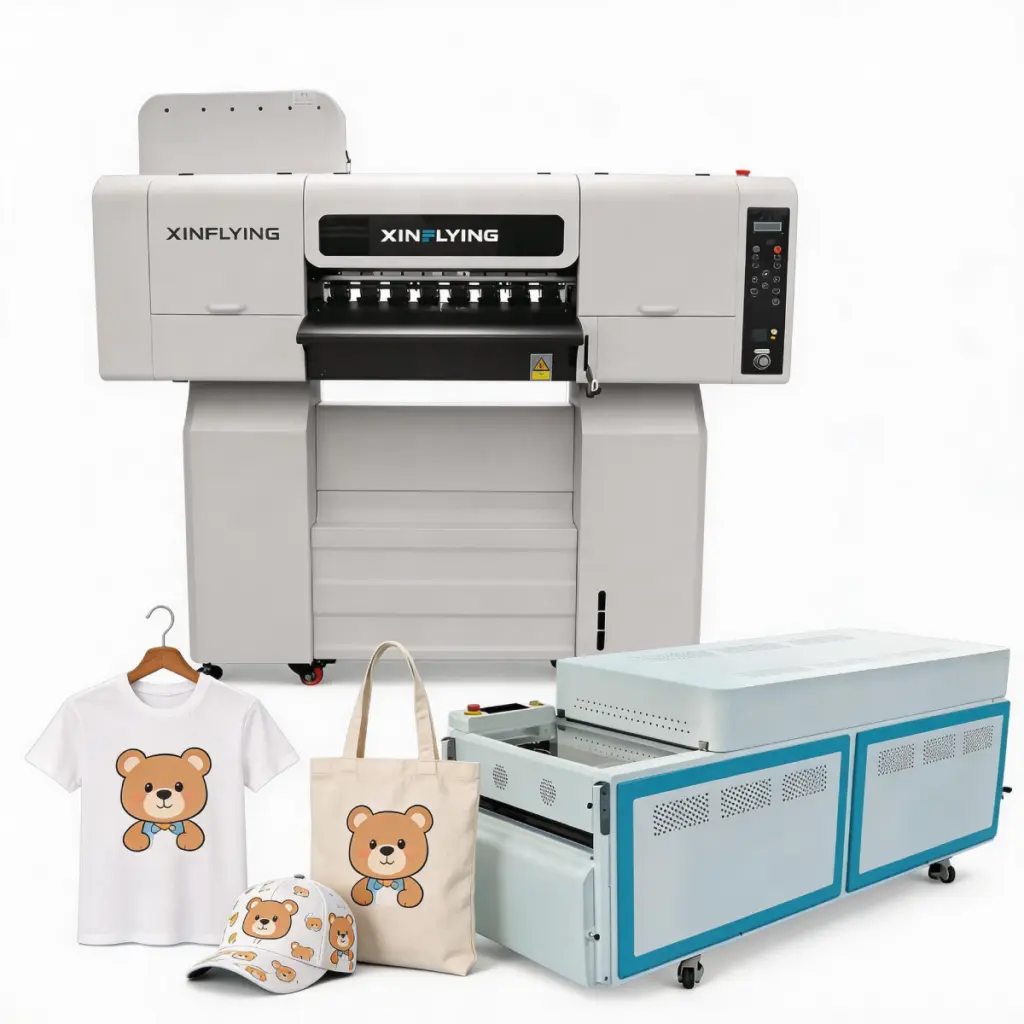
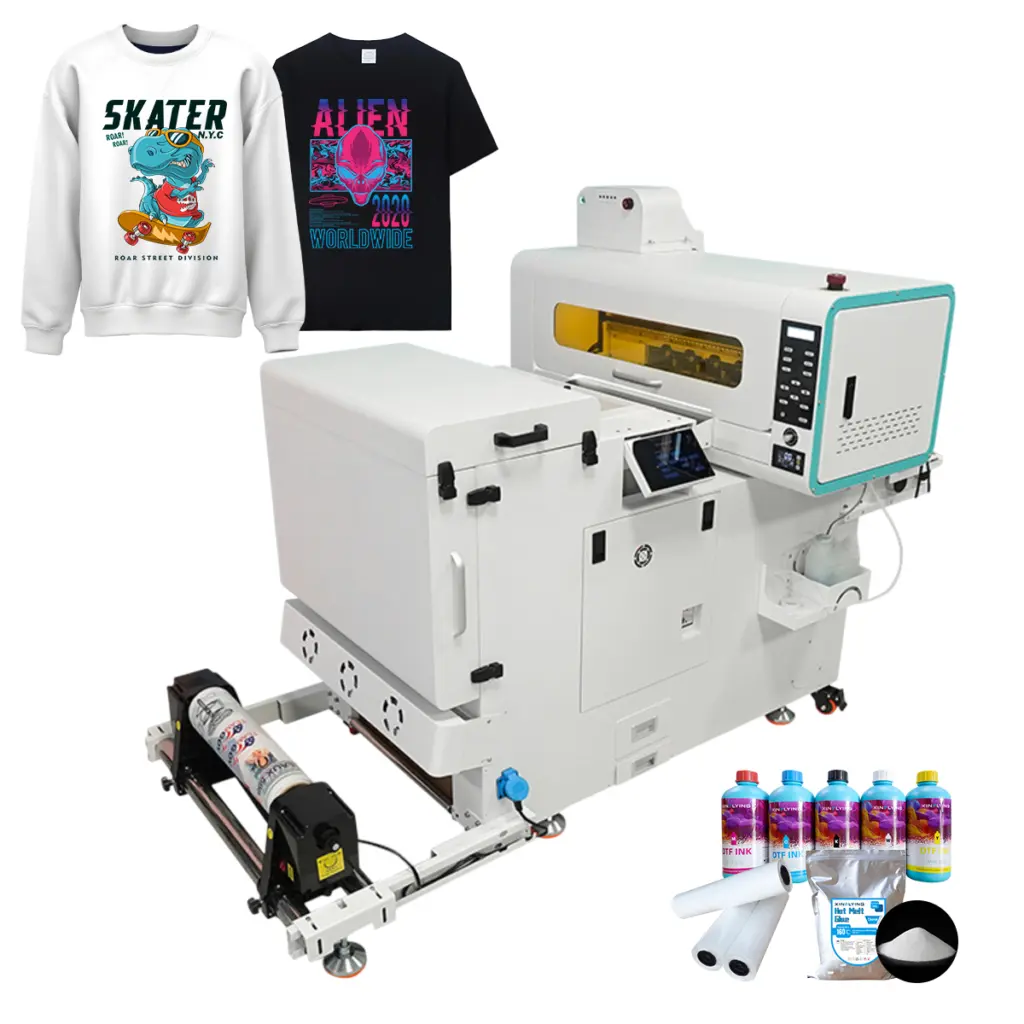
For entrepreneurs and established print shops considering DTF technology investment in 2026, understanding ROI (return on investment) is essential for making informed business decisions. According to industry analysis, DTF printing offers compelling economics for many business models, with payback periods ranging from 3–12 months depending on volume and pricing.
Equipment costs vary widely based on production requirements. Entry-level DTF printers suitable for home-based businesses and small shops start around $3,000–$7,000. These machines typically feature basic automation, lower print speeds, and smaller maximum print widths. For businesses just starting or testing the market, entry-level systems offer low-risk entry points.
Mid-range DTF printers priced at $10,000–$20,000 offer faster print speeds, wider formats, and greater automation. These systems are suitable for established print shops with steady order flow and higher production requirements. Features often include integrated powder/shaker units, larger ink supplies, and more robust construction for continuous operation.
Industrial DTF systems for high-volume production environments can cost $50,000 tai enemmän. These machines feature nine-color printing, automated curing, integrated workflow software, and industrial-grade reliability. For businesses with substantial order volumes, industrial systems offer the lowest per-unit costs despite higher upfront investment.
Consumables costs typically range from $0.40 kohtaan $0.70 per print, including film, muste, and powder. kuitenkin, actual costs vary based on print size, ink coverage, and quality requirements. Higher-quality consumables generally produce better results and fewer operational issues, making them cost-effective despite higher per-unit prices.
Revenue per print varies dramatically based on market positioning. Basic DTF transfers for bulk customers might sell for $2–3 each, while premium custom transfers for end consumers can command $10–20 or more. The key to profitability is balancing volume and margin based on target market and competitive positioning.
Sample ROI calculation: A small shop investing $5,000 in entry-level DTF equipment, producing 500 transfers per month at $5 average selling price, generates $2,500 monthly revenue. Consumables cost of $0.50 per transfer adds $250 monthly cost. Gross profit of $2,250 per month pays back equipment investment in approximately 2–3 months, not including labor, overhead, or marketing costs.
Several factors affect actual ROI. Automation reduces labor costs and improves consistency. Quality differentiates from low-price competitors and enables premium pricing. Marketing and customer acquisition drive volume. Efficient workflows maximize throughput and minimize waste.
For businesses considering DTF investment, careful financial modeling is essential. Xinflying Group offers DTF-tulostimet across all price points and can provide guidance on expected costs and returns based on your specific business model.