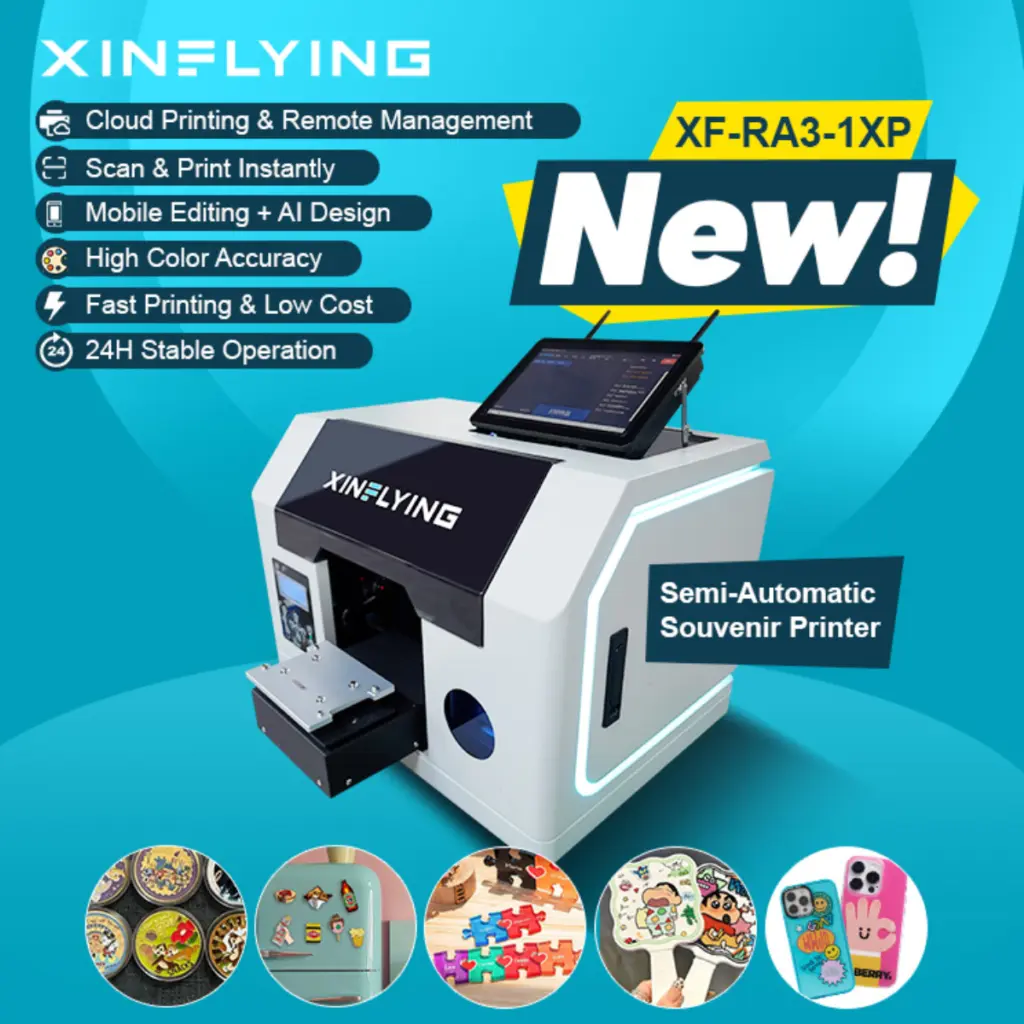
Global Dye Sublimation Printing Market Overview
The global dye sublimation printing market was valued at approximately USD 14.9 milliards en 2024, and it is expected to expand to around USD 28.0 milliards par 2030, representing a compound annual growth rate (TCAC) de 11.3% between 2025 et 2030. This robust growth is largely driven by escalating demand for personalized apparel and promotional products, particularly from small businesses and e-commerce enterprises.
Dans 2024, le Asia Pacific region held the largest share of the global dye sublimation printing market, capturing roughly 36.5% of total revenue, supported by accelerated adoption in textile manufacturing and broader industrial applications. When broken down by product type, inks and consumables dominated with a 41.9% share, highlighting the recurring revenue potential in supplies. Among printing techniques, transfer dye sublimation remained the most widely used method, alors que textile and apparel printing led all application segments in market share. From an end-user perspective, textile manufacturers were the biggest contributors to market demand in 2024.[source:grandviewresearch]
Sublimation printing has become one of the most popular digital printing technologies in recent years. From custom apparel to personalized gifts, more and more businesses are choosing sublimation printing for its vibrant results, smooth finish, et une durabilité à long terme.
At the heart of this process is a specialized machine called a imprimante à sublimation. Using heat-activated sublimation inks, these printers allow you to create professional-quality designs on a wide range of products—quickly and efficiently.
If you’re new to sublimation printing or considering adding it to your business, ce guide vous guidera à travers tout ce que vous devez savoir, step by step.
Popular Sublimation Product Ideas
Sublimation printing is widely used for personalized and promotional products, tel que:
- Sublimation mugs
- Jigsaw puzzles
- Glass cups and tumblers
- Signboards and plaques
- Bath towels
- Heat insulation mats
These items are especially popular in print-on-demand, gift customization, and promotional markets.
Qu'est-ce qu'une imprimante à sublimation?
UN imprimante à sublimation, also known as a dye sublimation printer, is a digital printing device designed to work with sublimation ink and sublimation paper.
Contrairement aux imprimantes à jet d'encre standards, sublimation printers use special heat-reactive dyes. When heat and pressure are applied, the ink transitions directly from a solid into a gas—without becoming liquid—and permanently bonds with the surface of the material.
This process works best on:
- Tissus en polyester
- Polymer-coated substrates (comme des tasses, plaques de métal, céramique, et plastiques)
The result is a print that becomes part of the material itself—vivid, lisse, crack-free, et très résistant.
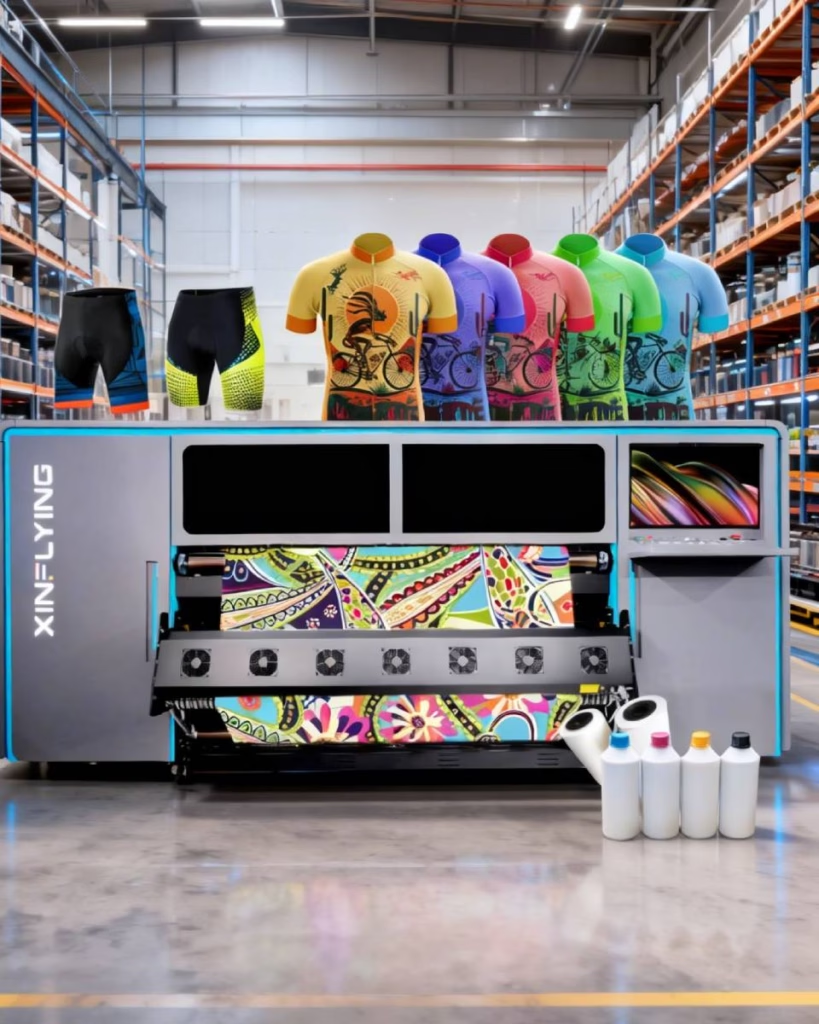
Comment fonctionne une imprimante à sublimation?
The sublimation printing process involves several coordinated steps:
- Printing the design
The sublimation printer uses sublimation ink to print your artwork onto sublimation paper. The ink sits on the paper surface instead of soaking in. - Heat transfer process
The printed paper is placed onto the substrate (fabric or coated item) and pressed using a heat press. - Sublimation reaction
Under controlled heat, pression, et le temps, the ink turns into gas and penetrates the polyester fibers or polymer coating. - Permanent bonding
As the material cools, the pores close, locking the ink inside. The design becomes durable, lavable, and resistant to peeling or cracking.
This is why sublimation printers are often used together with heat presses to deliver consistent, résultats professionnels.

Equipment and Materials Required for Sublimation Printing
To get started with sublimation printing, you’ll need the following essentials:
You can choose from:
- Dedicated sublimation printers
- Certain compatible inkjet printers that can be converted for sublimation use
For long-term performance and color accuracy, professional sublimation printers are recommended—especially for business use.
Sublimation paper is designed to hold ink on the surface until heat is applied. High-quality paper ensures:
- Minimal ink bleed
- No ghosting
- Bright and sharp color transfer
- High transfer efficiency (jusqu'à 98%)
Sublimation inks contain special dyes that activate under heat. Always use inks that are compatible with your printer model to prevent clogging and color inconsistencies.
Sublimation Blanks
These are the items you print on, tel que:
- Polyester T-shirts
- Coated mugs and tumblers
- Coques de téléphone
- Metal plates and signs
All blanks must be polyester-based or polymer-coated to achieve proper results.
Heat Press Equipment
Different products require different heat sources:
- Flat heat press for garments
- Mug or tumbler press for drinkware
- Oven or curing machine for bulk items
Additional tools include heat-resistant tape, gants, and spray adhesive.
What Materials Are Suitable for Sublimation Printing?
Tissus en polyester
Tissus en polyester (80%–100%) work best. Under heat, polyester fibers open up, allowing sublimation ink to bond deeply and evenly.
Natural fibers like cotton or linen are not ideal and produce poor durability without special coatings.
Polymer-Coated Products
Items made of ceramic, métal, Plastique, bois, or glass can be used only if they are polymer-coated. This coating allows sublimation ink to permanently adhere to the surface.
Advantages and Disadvantages of Sublimation Printing
Avantages
- Outstanding print quality: Brillant, détaillé, and photorealistic results
- Long-lasting durability: Can withstand 100+ lavages
- Doux, breathable prints: No raised texture or cracking
- Ideal for customization: Perfect for print-on-demand and short runs
- Wide product range: Works on apparel and coated hard goods
Désavantages
- Higher startup cost: Requires printer, presse chauffée, encres, et consommables
- Material limitations: Not suitable for cotton or dark fabrics without coatings
- UV sensitivity: Prints may fade faster outdoors depending on ink quality
Industries That Use Sublimation Printing
Sublimation printers are widely used in:
- Apparel and textile printing
- Produits promotionnels
- Signage and display graphics
- Photography and photo gifts
- Home décor and lifestyle items
- Print-on-demand businesses
FAQs About Sublimation Printers
T1: Can a regular printer be used for sublimation printing?
UN: Non. Regular inkjet or laser printers cannot be used directly for sublimation printing. Only specific inkjet models with compatible printheads (such as certain EcoTank printers) can be converted, while dedicated sublimation printers are designed specifically for sublimation inks.
T2: Is sublimation printing only suitable for light-colored materials?
UN: Oui, sublimation printing works best on light-colored or white materials. Sublimation inks are transparent, so colors appear more vibrant on light surfaces. On dark or black materials, colors will look dull unless a special white base or coating is used.
T3: Are sublimation-printed products washable and durable?
UN: Oui. Sublimation prints are highly durable because the ink becomes part of the material rather than sitting on the surface. With proper care, sublimation-printed products can withstand over 100 washes without cracking or peeling.
T4: What materials are suitable for sublimation printing?
UN: Sublimation printing works best on polyester fabrics and polymer-coated items such as mugs, plaques de métal, céramique, plastiques, and coated wood products. Natural fibers like cotton are not recommended unless treated with a special coating.
Q5: How much does it cost to get started with sublimation printing?
UN: The startup cost typically ranges from $1,500 à $3,000, depending on the printer, presse chauffée, encres, papier, blanks, and accessories you choose. Professional setups may require a higher investment.
Q6: Do sublimation printers require regular maintenance?
UN: Oui. Sublimation printers require routine maintenance to prevent ink clogging and maintain print quality. Regular printing, proper cleaning, and using compatible inks are essential for long-term performance.