
The textile industry has seen significant transformations with the advent of digital printing technologies, especially in Direct-to-Film (DTF) processes. As businesses strive for sustainability, integrating waste reduction techniques into digital textile fabric printing has become paramount. This article explores effective strategies for minimizing waste while ensuring high-quality results, particularly focusing on the role of DTF printers in these efforts.
Leveraging Advanced DTF Printers
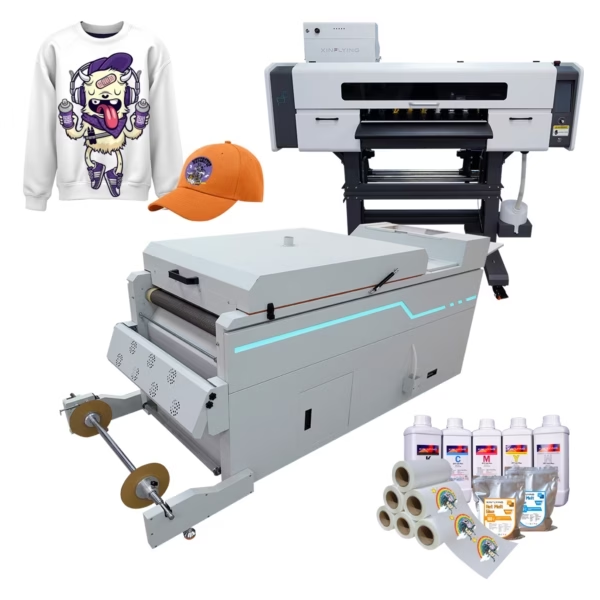
Digital fabric printing, particularly using DTF printers, allows for precise designs and color accuracy, dramatically reducing material waste compared to traditional methods. The 704E+Z60L4 24″ pencetak DTF stands out with its four Epson i3200-A1 printheads, which enhance speed and efficiency. By optimizing ink usage, this printer creates vibrant prints on various materials with minimal excess.
One of the crucial elements in waste reduction is the printer’s ink supply system. The dual ink bottles integrated into our DTF printer ensure a steady flow of ink, facilitating continuous printing without unnecessary interruptions. This feature is particularly beneficial during high-volume jobs, allowing businesses to maintain productivity while reducing ink wastage. Consequently, the investment in a high-quality DTF printer not only results in improved print quality but also translates to lower operational costs.
Smart Features Enhancing Efficiency
In addition to the robust printing capabilities, the 704E+Z60L4 printer features an ink shortage alarm, which proactively alerts users to low ink levels. This smart feature prevents unexpected halts in production, a common issue that can lead to wasted materials and time. By allowing print run adjustments before ink depletion, businesses can strategically plan their production schedules, minimizing waste and maximizing efficiency.
Opting for a reliable DTF printer like the 704E+Z60L4 not only supports sustainable practices but also embodies a cost-effective investment. The initial costs, including the A1 DTF printer price, can be offset by the significant reduction in waste, making it a financially sound choice for businesses looking to enhance their print operations.
Foster a Culture of Sustainability
As we explore these waste reduction techniques in digital textile printing, it’s crucial for companies to cultivate a culture of sustainability in their operations. Investing in advanced DTF printers and adopting best practices in material management can significantly impact overall waste reduction.
By aligning production strategies with environmental stewardship, businesses can not only enhance profitability but also contribute positively to the broader community. The approach benefits not only the company’s bottom line but also builds goodwill with environmentally conscious consumers.
Our Commitment to Sustainable Solutions
Di Xinflying, we are dedicated to leading innovation in the digital printing industry. By providing reliable DTF printers like the 704E+Z60L4, we empower businesses to embrace sustainable practices while maintaining high-quality output. As a trusted supplier of printing machines and consumables, we invite our partners to join us on this journey toward reducing waste and fostering a more sustainable future.
