
The growing popularity of Direct to Film (DTF) printing technology has opened up new avenues for businesses in the textile and apparel sector. Filme DTF serves as a crucial component in this printing process, facilitating the transfer of designs onto various fabrics. No entanto, achieving optimal results requires understanding the compatibility of DTF films with different inkjet printers. This article provides essential tips to ensure successful printing and transfer results.
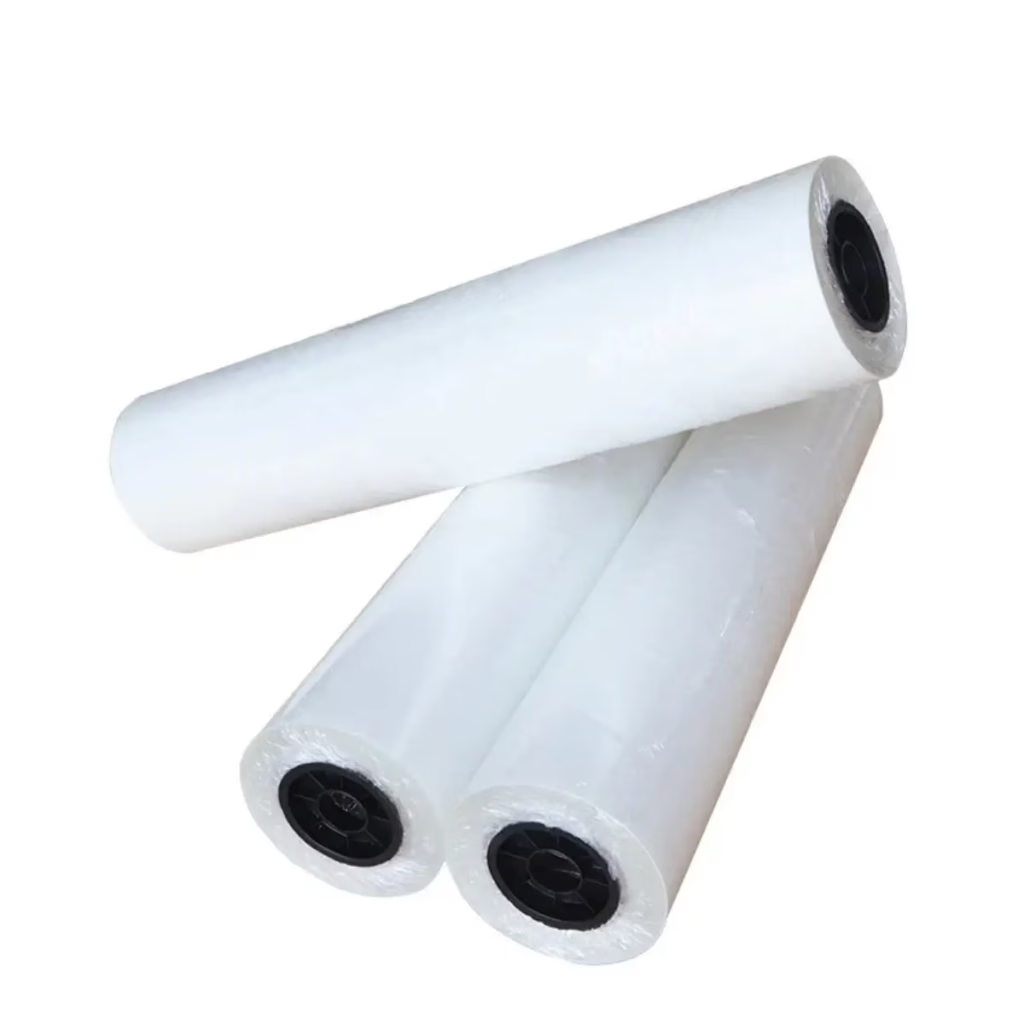
Selecting the Right DTF Film for Your Printer
Choosing a high-quality DTF film is vital for ensuring compatibility with your inkjet printer. A reputable DTF film supplier will offer a range of PET films in various sizes to meet the specific needs of your printing operation. These heat transfer sheets are designed to work seamlessly with DTF printers, whether you are using hot-peel or cold-peel application methods, depending on your printer’s temperature settings.
For best results, ensure that the DTF film you select is specifically formulated for compatibility with your inkjet printer’s inks. This will facilitate smooth and vibrant transfers, enhancing the overall quality of your printed designs.
The Importance of Non-Stick Powder
Another critical aspect of DTF film printing is the non-stick powder used during the transfer process. The film’s special layer ensures a smooth surface outside the graphics, allowing for even application of the heat-transferring powder onto the textile. This feature prevents clumping and promotes uniform coverage, which is essential for a clean transfer.
When sourcing your DTF film, look for options that provide excellent coating characteristics for the non-stick powder. This will not only save material but also ensure smoother transfers, which are crucial for maintaining high standards in custom garment production.
Ensuring Efficient and Compatible Printing Processes
Efficiency is key in any printing operation, and ensuring compatibility between your DTF film and inkjet printer can significantly streamline your workflow. Manufacturers often optimize their DTF films to work flawlessly with major DTF printers and inks, eliminating issues such as poor adhesion or uneven texture.
By conducting test prints and understanding the specifications of both your inkjet printer and the DTF film, you can achieve the best possible outcomes. Proper calibration and settings can lead to significant improvements in print quality and efficiency, thus enhancing your production capacity.
As we continue to innovate in the DTF printing landscape, Xinflying is committed to providing high-quality DTF films that meet the needs of businesses. Our films, accompanied by our reliable service as your preferred DTF film supplier, ensure that you achieve the best results in your printing endeavors. We strive to support you in maximizing efficiency while delivering vibrant and lasting designs to your customers. Partnering with us means choosing a brand that understands your industry and prioritizes quality and compatibility in every product we offer.
