giriiş
DTF baskı, esnekliği nedeniyle özel giyim endüstrisinde ana akım bir çözüm haline geldi, canlı renkler, ve birden fazla kumaşla uyumluluk. Fakat, mükemmele ulaşmak DTF aktarımı sahip olmaktan daha fazlasına bağlıdır DTF yazıcı.
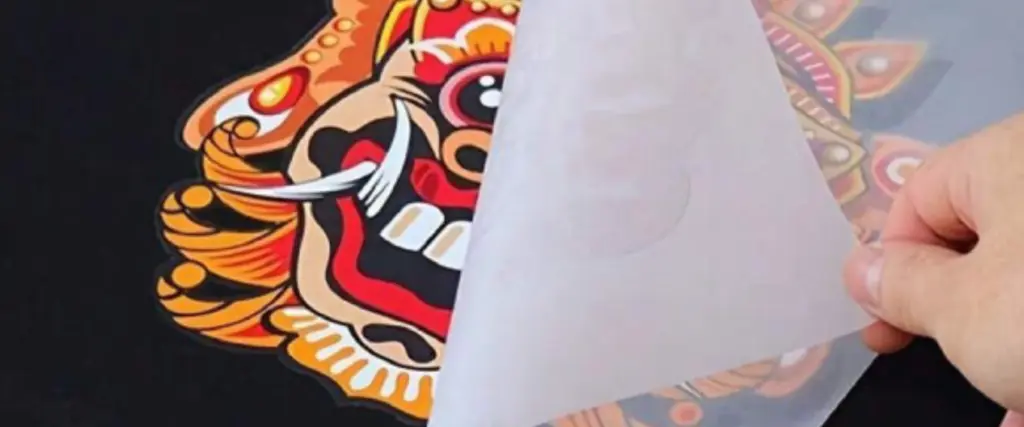
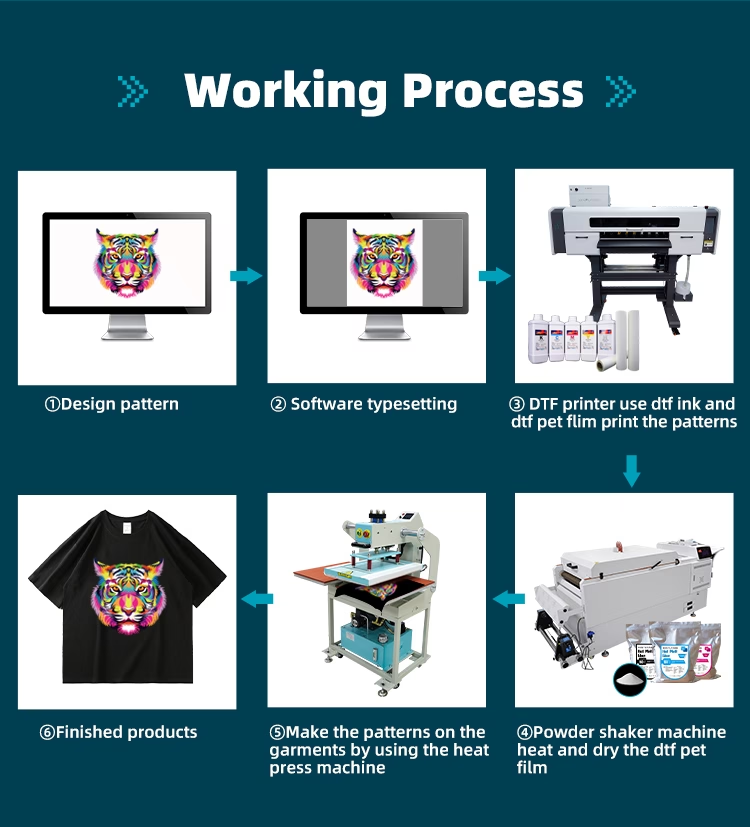
DTF yazdırma birden fazla adım içerdiğinden yazdırma, toz uygulaması, kürleme, ve ısıyla presleme — küçük bir hata bile yapışmanın zayıf olmasına yol açabilir. Kullanıcıların en sık karşılaştığı sorunlardan biri DTF transferleri düzgün yapışmıyor.
Bu kılavuzda şunlar açıklanmaktadır: DTF aktarım başarısızlığının ana nedenleri ve baskı dayanıklılığını ve tutarlılığını artırmanıza yardımcı olacak pratik çözümler sunar.
DTF Transferlerinin Yapılamamasının Genel Nedenleri
Isı Basın Sıcaklığı veya Basıncı Yanlış
Isıyla presleme DTF transfer sürecinin son ve en kritik aşamasıdır.
Sıcaklık çok düşükse, yapışkan toz tamamen eriyemiyor, zayıf bağlanmaya neden olur. Aynı şekilde, yetersiz basınç, mürekkebin ve yapıştırıcının kumaş liflerine nüfuz etmesini önler.
Yaygın sorunlar şunları içerir::
- Düşük sıcaklık → eksik yapıştırıcı aktivasyonu
- Yetersiz basınç → yüzey seviyesinde yapışma
- Eşit olmayan basınç → kısmi soyulma
Çevresel Koşullar DTF Aktarım Kalitesini Etkiler
Çevresel faktörler DTF yazdırma başarısında önemli bir rol oynar.
- Yüksek nem, yapışkan tozun topaklanmasına neden olabilir
- Yetersiz havalandırma, tozun kürlenmesinin eksik olmasına yol açabilir
- Toz ve kalıntılar transfer yüzeyini kirletebilir
Temizliği korumak, kuru, ve iyi havalandırılmış bir çalışma alanı, istikrarlı DTF aktarım sonuçları için şarttır.
Yanlış Miktarda DTF Yapıştırıcı Tozu
Tozun hem az uygulanması hem de aşırı uygulanması yapışma sorunlarına neden olabilir.
- Çok az toz, zayıf veya eksik yapışma alanlarına yol açar
- Çok fazla toz kalınlığa neden olur, çatlayabilecek sert transferler
Amaç eşit, aşırı birikme olmadan tam kapsama.
Düşük Kaliteli veya Hasarlı DTF Transfer Filmi
Tüm DTF transfer filmleri tutarlı performans sunmaz.
Düşük kaliteli filmler sıklıkla sıkıntı çeker:
- Düzensiz kaplama
- Zayıf yapışkan katmanlar
- Zayıf salınım özellikleri
Birinci sınıf filmler bile çizildiğinde başarısız olabilir, katlanmış, veya yanlış saklanmış.
Karşılaştırma kılavuzuna bakın:Sıcak Soyma ve Soğuk Soyma DTF Filmleri Açıklaması
Filmi Çok Erken Soymak
DTF transferleri soyulmadan önce uygun soğutma süresi gerektirir.
Filmi çok erken soymak,:
- Mürekkebi kumaştan kaldırın
- Tasarımı deforme etme
- Uzun vadeli dayanıklılığı azaltın
Her zaman film üreticisinin soyma talimatlarına uyun.
DTF Aktarımı Yapışma Sorunları Nasıl Düzeltilir
Yüksek Kaliteli DTF Mürekkep ve Pudra Kullanın
Düşük maliyetli sarf malzemeleri genellikle tutarsız yapışmaya ve zayıf yıkama direncine neden olur.
En iyi uygulamalar:
- Toplu üretimden önce mürekkepleri ve tozları test edin
- Son kullanma tarihi geçmiş veya uygunsuz şekilde saklanan malzemelerden kaçının
- Güvenilir yerden satın alın DTF yazıcı tedarikçileri
Keşfetmek: DTF Sarf Malzemeleri Kılavuzu: Mürekkep, Toz, Film Açıklaması
Doğru Kumaşı DTF Sisteminizle Eşleştirin
Her ne kadar DTF baskı birçok tekstilde işe yarasa da, tüm kumaşlar aynı şekilde davranmaz.
Pamuk, polyester, ve karışımlar genellikle iyi performans gösteriyor, ancak farklı tozlar ve mürekkepler farklı tepki verebilir.
Büyük üretim çalışmalarından önce daima yeni kumaşları test edin.
DTF Yazdırma İş Akışınızı Optimize Edin
İstikrarlı bir iş akışı tutarlılığı artırır ve israfı azaltır.
Temel optimizasyon adımları:
- Doğru mürekkep yoğunluğu için DTF yazıcınızı kalibre edin
- Kumaş tipine göre sıcak pres sıcaklığını ve basıncını ayarlayın
- Tamamen sertleşen yapışkan toz
- Doğru soğutma ve soyma prosedürlerini izleyin
DTF Transferleri Hakkında Sıkça Sorulan Sorular
Q: DTF aktarımları için hangi sıcaklığı kullanmalıyım??
Çoğu DTF aktarımı gerektirir 300–350°F (150–177°C) için 15–20 saniye, kumaş ve toz tipine bağlı olarak.
Q: DTF aktarımları için normal bir yazıcı kullanabilir miyim??
HAYIR. DTF aktarımları özel veya dönüştürülmüş bir DTF yazıcı DTF mürekkep ve filmle uyumlu.
Q:Yıkamadan sonra DTF transferim neden soyuluyor??
Peeling genellikle şunlardan kaynaklanır::
- Uygun olmayan kürleme
- Yanlış ısı basın ayarları
- Düşük kaliteli veya son kullanma tarihi geçmiş sarf malzemeleri
- Uyumsuz kumaş
Q: DTF transferleri zamanla çatlayabilir mi??
Aşağıdaki durumlarda çatlama meydana gelebilir::
- Aşırı toz uygulandı
- Basınç çok yüksek veya çok düşük
- Düşük kaliteli malzemeler kullanılıyor
Doğru ayarların ve kaliteli sarf malzemelerinin kullanılması çatlamaların önlenmesine yardımcı olur.
Q:Bir DTF yazıcının maliyeti ne kadardır??
DTF yazıcı fiyatları farklılık gösterir:
- Giriş seviyesi veya dönüştürülmüş modeller: $500–1.000$
- Profesyonel DTF yazıcılar: $1,000–15.000$+, boyuta ve konfigürasyona bağlı olarak
Çözüm
ne zaman bir DTF aktarımı yapışmıyor, nedeni genellikle ayarlarla ilgilidir, sarf malzemeleri, çevre, veya süreç kontrolü - teknolojinin kendisi değil.
Optimize ederek DTF yazıcı kurulumu, güvenilir malzemeler kullanmak, ve en iyi uygulamaları takip etmek, sürekli olarak üretebilirsiniz dayanıklı, canlı, ve yıkamaya dayanıklı DTF transferleri.