مقدمة
في السنوات الأخيرة, لقد تحولت تقنيات التخصيص بعيدًا عن طرق الطباعة التقليدية المعتمدة على الركيزة نحو أساليب أكثر تنوعًا, الحلول القائمة على النقل. من بين هؤلاء, ظهرت الطباعة UV DTF كعملية هجينة تجمع بين تقنية المعالجة بالأشعة فوق البنفسجية وسير العمل المباشر للفيلم. على عكس الطباعة المسطحة DTF أو UV التقليدية, تتيح طابعات UV DTF المتانة, رسومات عالية الدقة ليتم نقلها على الأسطح الصلبة وغير المنتظمة دون ترسيب الحبر المباشر على الكائن النهائي.
تتناول هذه المقالة طابعات UV DTF من منظور تقني وتشغيلي. وهو يركز على فوائد التكنولوجيا, تميزها الوظيفي عن أنظمة الطباعة الرقمية الأخرى, والسياقات التي توفر فيها طابعات UV DTF قيمة قابلة للقياس. مراجع ل طابعة ملصقات للأشعة فوق البنفسجية DTF التطبيقات, المناقشات المقارنة المتعلقة أفضل طابعات دي تي إف, والملاحظات الشائعة في تقييمات ومراجعات طابعة DTF تم دمجها لتقديم نظرة عامة متوازنة وواقعية.
فهم تكنولوجيا الطباعة UV DTF
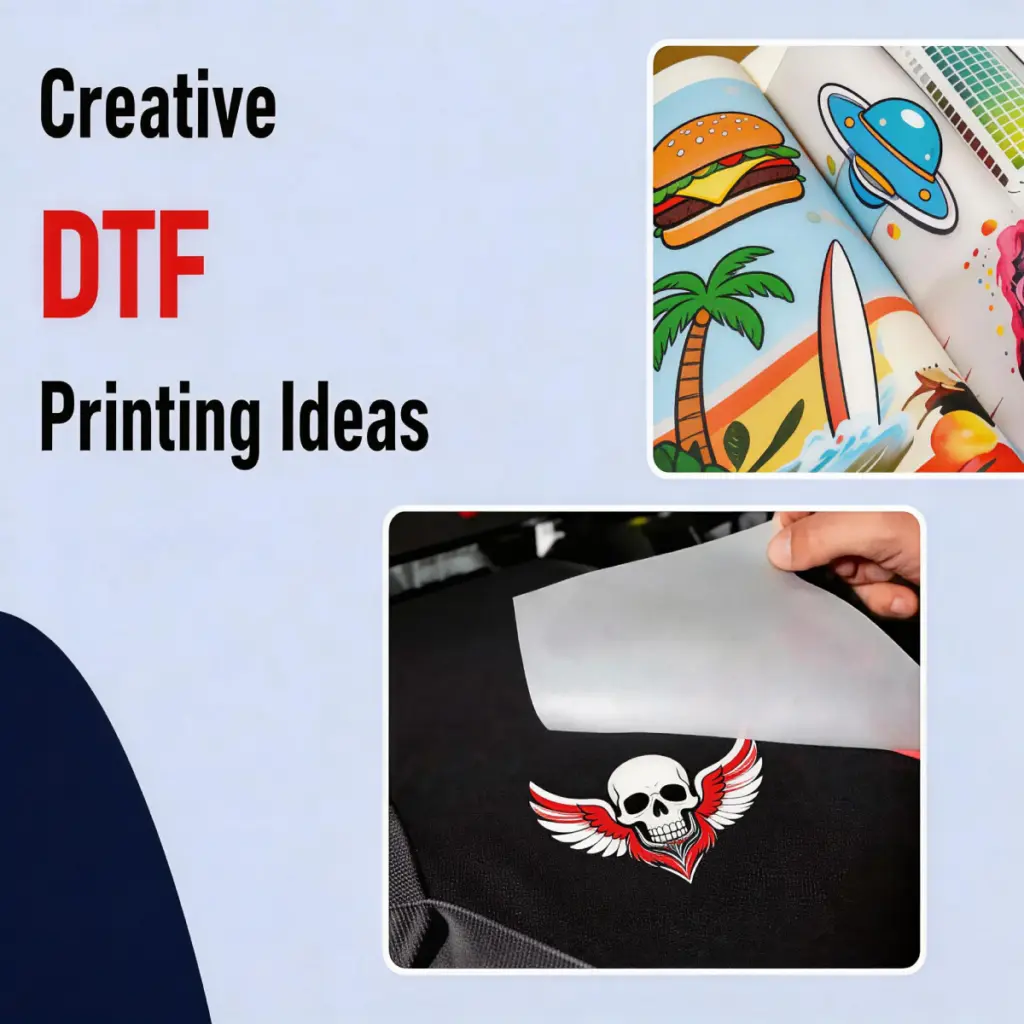
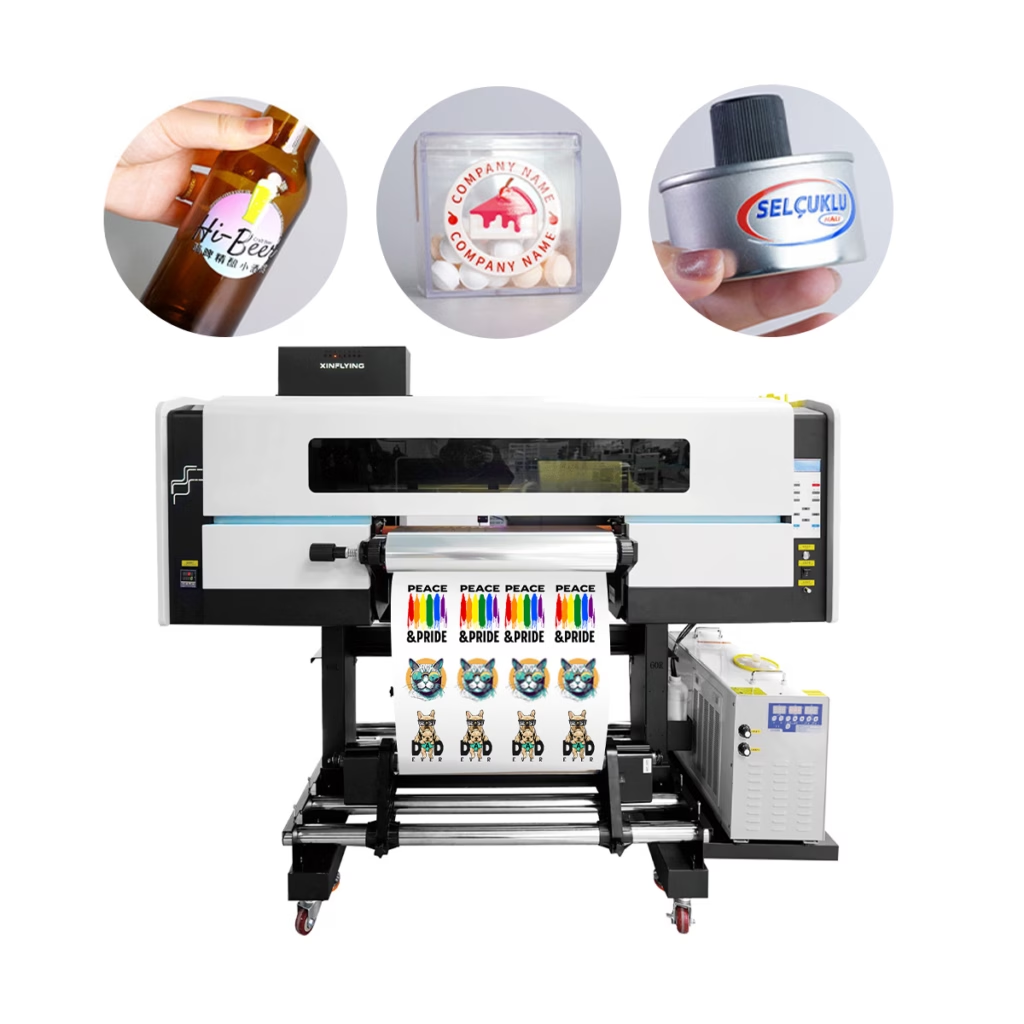
تتم طباعة UV DTF على مرحلتين. أولاً, تتم طباعة صورة حبر قابلة للمعالجة بالأشعة فوق البنفسجية على فيلم إصدار متخصص (فيلم أ). تتم معالجة الحبر على الفور باستخدام الأشعة فوق البنفسجية, تشكيل مادة صلبة, طبقة حبر مرنة. فيلم لاصق الترقق (فيلم ب) ثم يتم تطبيقه, إنشاء هيكل ملصق قابل للتحويل. مرة واحدة مغلفة, يمكن تطبيق الرسم على السطح المستهدف بالضغط وحده, وبعد ذلك تتم إزالة الفيلم الناقل.
على عكس أنظمة DTF القائمة على الماء, الطباعة بالأشعة فوق البنفسجية DTF لا تتطلب الضغط الحراري. يغير هذا التمييز بشكل أساسي نطاق الركائز المتوافقة ويقلل الضغط الحراري على كل من المواد والمعدات.
المزايا الرئيسية لطابعات UV DTF
1. تنوع المواد بما يتجاوز المنسوجات
إحدى أهم فوائد طابعات UV DTF هي قدرتها على تزيين الأسطح غير المسامية وغير المنتظمة. في حين أن الطباعة DTF التقليدية تم تحسينها بشكل أساسي للمنسوجات, تتفوق أنظمة UV DTF في التطبيقات التي تتضمن:
- الزجاج والأكريليك
- الأسطح المعدنية
- البلاستيك والبوليمرات
- خشب بتشطيبات مختومة
- السيراميك المطلي
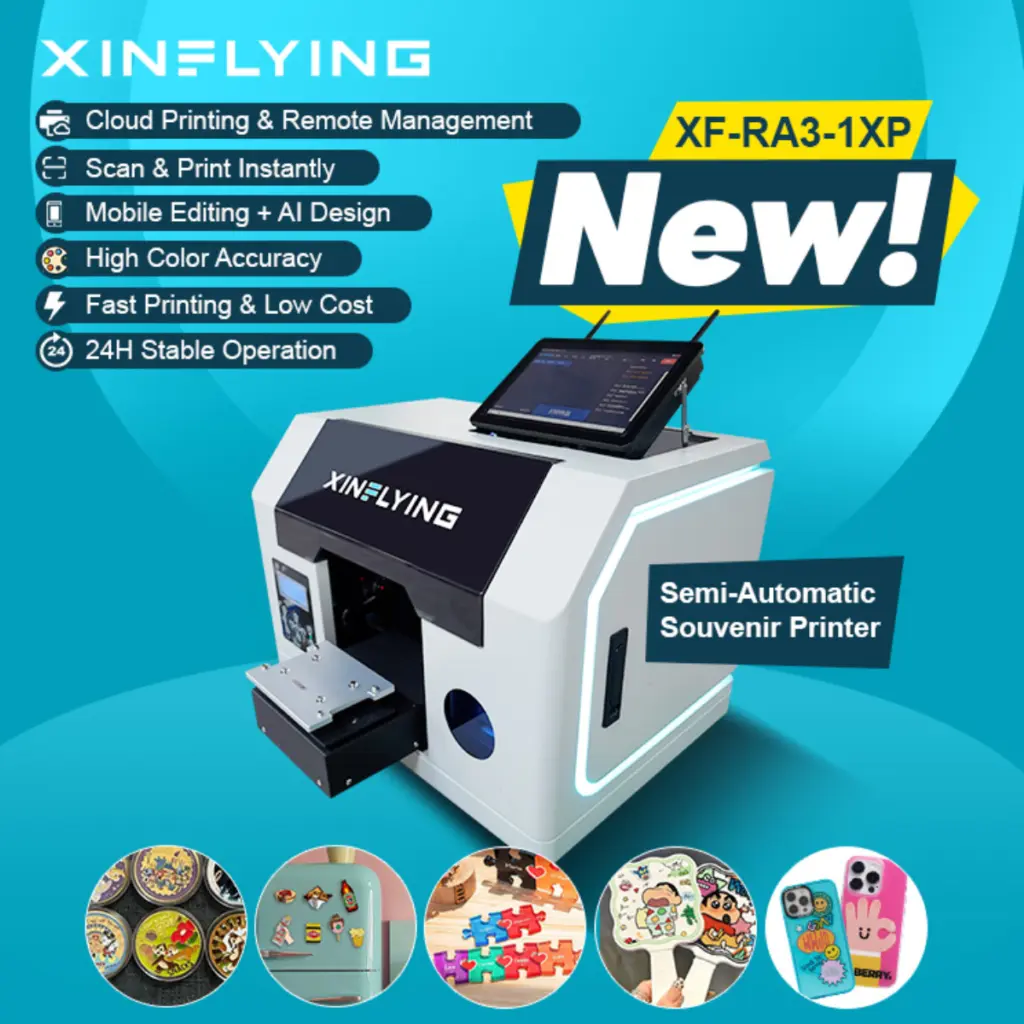
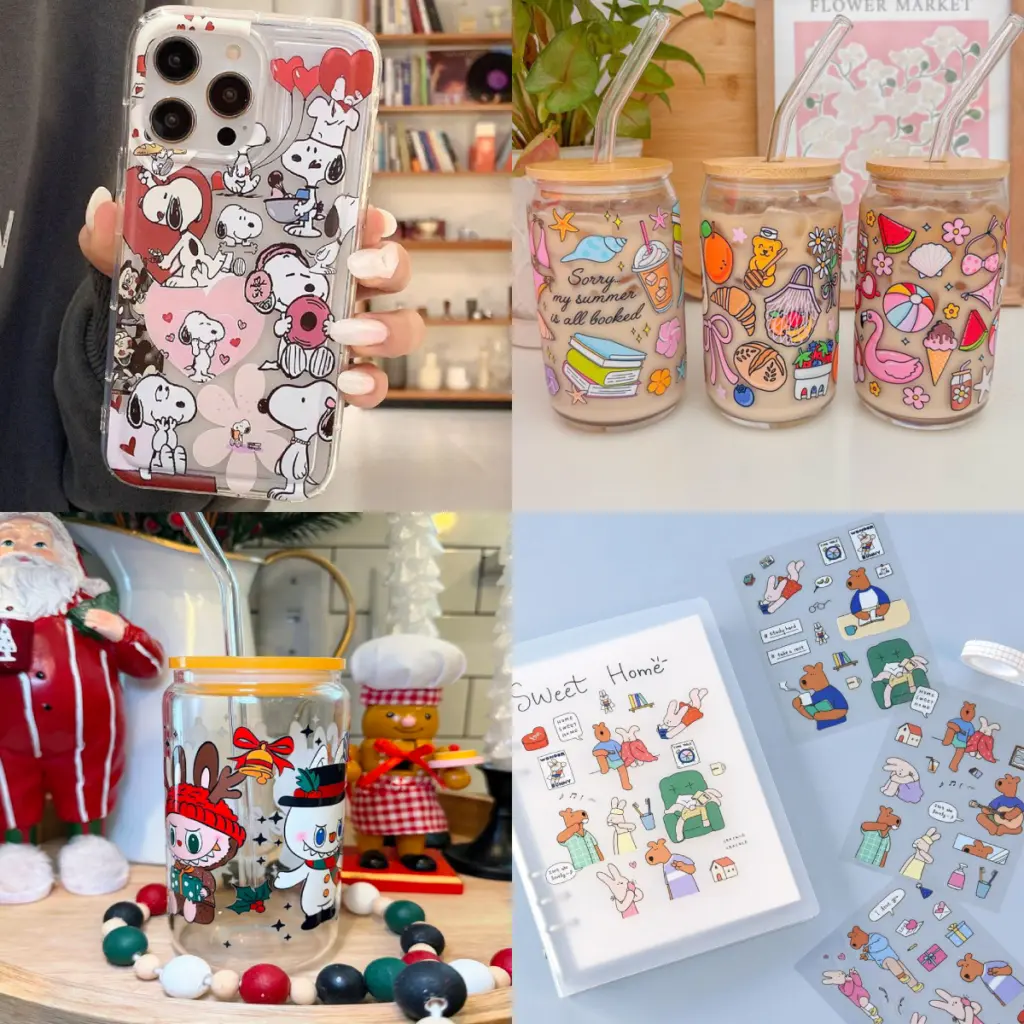
هذه القدرة تضع طابعة ملصقات للأشعة فوق البنفسجية DTF كحل لصناعات مثل المنتجات الترويجية, لافتات, العلامات التجارية للإلكترونيات الاستهلاكية, والنماذج الأولية للتعبئة والتغليف.
2. لا توجد متطلبات للضغط الحراري
يؤدي عدم وجود مكبس حراري إلى تبسيط سير عمل الإنتاج. المواد الحساسة للحرارة, مثل البلاستيك الرقيق أو الأسطح المطلية, يمكن تزيينها دون تشوه. وهذا أيضًا يقلل من استهلاك الطاقة ويقلل من تعقيد تدريب المشغل, خاصة في بيئات الإنتاج الصغيرة.
من الناحية التشغيلية, تظهر هذه الميزة بشكل متكرر كنقطة إيجابية في المجال المهني تقييمات ومراجعات طابعة DTF, خاصة عند مقارنة طابعات UV DTF بأنظمة DTF التي تركز على المنسوجات.
3. التصاق عالي ومتانة
تشكل الأحبار المعالجة بالأشعة فوق البنفسجية طبقة مبلمرة ذات خصائص ربط ميكانيكية قوية. عندما يتم نقلها بشكل صحيح, المعروضات الرسومية الناتجة:
- مقاومة عالية للخدش
- المقاومة الكيميائية للمذيبات الخفيفة
- استقرار اللون على المدى الطويل في ظل الظروف الداخلية
في حين أن مطبوعات UV DTF قد لا تحل محل الطباعة المباشرة للأشعة فوق البنفسجية الصناعية بشكل كامل للتعرض الخارجي الشديد, أنها توفر متانة كافية لمعظم التطبيقات التجارية والاستهلاكية.
4. الدقة ودقة الصورة
تعمل طابعات UV DTF مع التحكم الدقيق في القطرات وترسيب الحبر متعدد الطبقات, غالبًا ما يتضمن طبقات الحبر الأبيض والورنيش. وهذا يتيح:
- استنساخ نص حاد
- عتامة عالية على ركائز داكنة
- تأثيرات بصرية منقوشة أو محكم
مقارنة بالعديد من أفضل طابعات دي تي إف مصممة للنسيج, تعطي طابعات UV DTF الأولوية لتعريف الحافة وتفاصيل السطح على اختراق الحبر, مما يعكس أهداف الاستخدام النهائي المختلفة.
طابعات UV DTF مقابل. طابعات DTF التقليدية
على الرغم من أن كلا التقنيتين تستخدمان أفلام النقل, تختلف أهدافهم الهندسية بشكل كبير.
تعتمد طابعات DTF التقليدية على الأحبار الصبغية المائية والمواد اللاصقة المسحوقة بالحرارة, تليها التنشيط الحراري. طابعات الأشعة فوق البنفسجية DTF, على النقيض من ذلك, استخدام الأحبار القابلة للمعالجة بالأشعة فوق البنفسجية والأفلام اللاصقة التي يتم تنشيطها بالضغط.
| وجه | دي تي إف التقليدية | الأشعة فوق البنفسجية دي تي إف |
|---|---|---|
| ركائز أولية | الأقمشة | جامد & شبه جامدة |
| علاج الحبر | حرارة | أشعة فوق البنفسجية |
| طريقة الالتصاق | الصحافة الحرارة | نقل الضغط |
| نَسِيج | ناعم, نسيج متكامل | نشأ, يشبه الملصق |
وغالبا ما يتم التأكيد على هذا التمييز في تقييمات ومراجعات طابعة DTF, حيث يتم تقييم طابعات UV DTF وليس كبدائل, ولكن كأنظمة تكميلية.
كفاءة سير العمل وقابلية التوسع في الإنتاج
تدعم الطباعة UV DTF إنتاج الدُفعات مع الحد الأدنى من تغييرات الإعداد. بمجرد إعداد التصميم, يمكن طباعة ملصقات متعددة, مغلفة, وتخزينها لتطبيقها لاحقا. يؤدي هذا الفصل بين مراحل الطباعة والتطبيق إلى تحسين مرونة سير العمل.
للشركات التي تدير قنوات تخصيص متعددة, تتيح طابعات UV DTF إمكانية الإنتاج المركزي لعمليات النقل التي يمكن تطبيقها عند الطلب, تقليل وقت الماكينة الخاملة وزيادة القدرة على التنبؤ بالإنتاج.
اعتبارات الصيانة والتشغيل
تقدم طابعات UV DTF متطلبات صيانة مختلفة مقارنة بأنظمة DTF القائمة على الماء. أحبار الأشعة فوق البنفسجية لا تجف من خلال التبخر, تقليل خطر انسداد الفوهة. لكن, أنها تتطلب:
- فحص منتظم لمصباح الأشعة فوق البنفسجية
- التحكم في التعامل مع الحبر لتجنب المعالجة المبكرة
- التهوية المناسبة بسبب مركبات البادئ الضوئي
في المهنية تقييمات ومراجعات طابعة DTF, كثيرًا ما يلاحظ المستخدمون أن طابعات UV DTF تتاجر بإجراءات تحريك الحبر اليومية من أجل جداول صيانة وقائية أكثر تنظيماً.
سيناريوهات التطبيق لطابعات UV DTF
المنتجات الترويجية
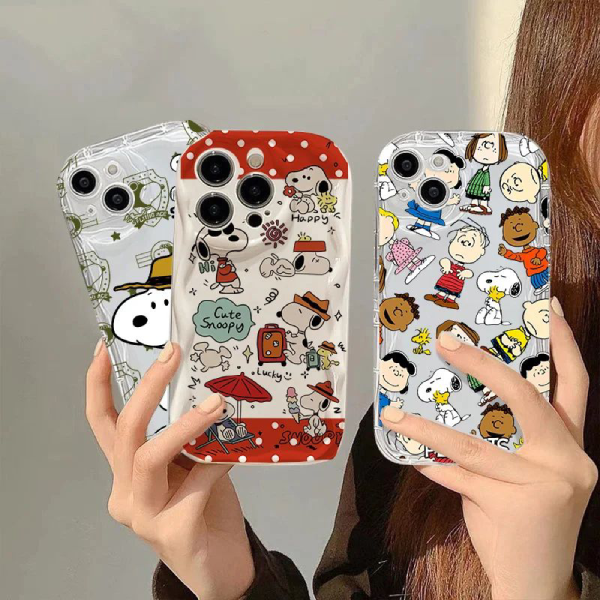
يمكن تطبيق الشعارات وعناصر العلامة التجارية على أدوات الشرب, أغلفة الجوال, بنوك الطاقة, والهدايا بدون تجهيزات متخصصة.
وضع العلامات الصناعية
تعد عمليات نقل UV DTF مناسبة لملصقات المعدات قصيرة المدى أو علامات لوحة التحكم حيث تكون طباعة الشاشة التقليدية غير عملية.
تخصيص البيع بالتجزئة
يصبح التخصيص داخل المتجر أو المتجر القريب ممكنًا بفضل عملية التقديم المبسطة والحد الأدنى من أثر المعدات.
تقييم طابعات UV DTF في السوق
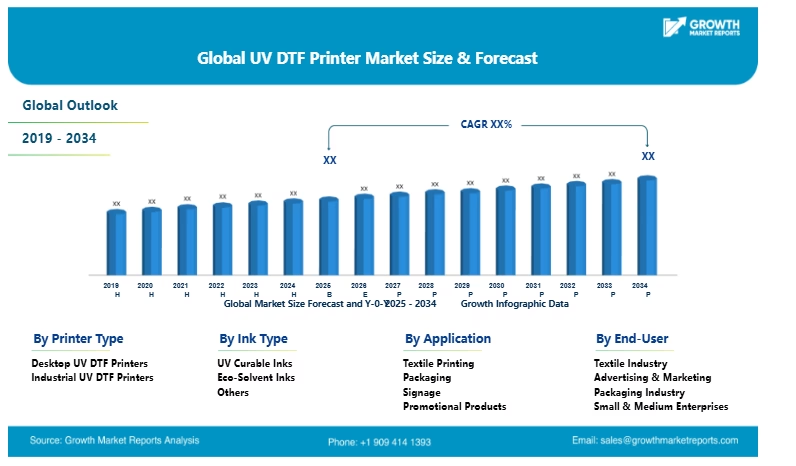
وفقا لأحدث أبحاثنا, ال وصل حجم سوق طابعة UV DTF إلى الدولار الأمريكي 1.67 مليار في 2024, مما يدل على زخم قوي في قطاع الطباعة الرقمية. السوق ينمو في معدل نمو سنوي مركب 12.8% ومن المتوقع أن يصل دولار أمريكي 4.41 مليار من قبل 2033 (مصدر).
يتم تغذية النمو من خلال:
- زيادة اعتماد الجودة العالية, حلول طباعة متعددة الاستخدامات
- ارتفاع الطلب على منتجات مخصصة عبر المنسوجات, التغليف, والصناعات الترويجية
- الشركات التي تبحث عن طرق فعالة من حيث التكلفة ل تعزيز تخصيص المنتج
عند تقييم طابعات UV DTF, غالبًا ما يقارنها المشترون مع أفضل طابعات دي تي إف من حيث التكلفة, جودة الإخراج, والموثوقية. لكن, يمكن أن تكون المقارنة المباشرة مضللة بسبب اختلاف حالات الاستخدام.
وتشمل معايير التقييم ذات الصلة:
- اتساق طبقة الحبر
- عتامة الحبر الأبيض
- أداء الفيلم اللاصق
- استقرار مصباح الأشعة فوق البنفسجية على المدى الطويل
تتم مناقشة هذه العوامل بشكل شائع في المجال الفني تقييمات ومراجعات طابعة DTF, وخاصة تلك التي كتبها مستخدمون تجاريون بدلاً من المشغلين المبتدئين.
القيود والمقايضات
على الرغم من مزاياها, طابعات UV DTF لا تخلو من القيود:
- ارتفاع تكاليف المواد الاستهلاكية مقارنة بالأحبار المائية
- مرونة محدودة على الأسطح شديدة النسيج
- ملمس طباعة مرتفع, والتي قد لا تناسب جميع جماليات التصميم
إن فهم هذه القيود أمر بالغ الأهمية لتخطيط التبني الواقعي.
دور الأشعة فوق البنفسجية DTF في مشهد الطباعة المستقبلي
تحتل طابعات UV DTF مكانة متميزة بين الطباعة المسطحة بالأشعة فوق البنفسجية وأنظمة DTF التي تركز على المنسوجات. مع نمو الطلب على المدى القصير, حسب الطلب, منتجات غير قماشية, من المرجح أن تتوسع تقنية UV DTF بدلاً من استبدال الأساليب الحالية.
من منظور الصناعة, تمثل طابعات UV DTF تطورًا تدريجيًا وليس بديلاً مدمرًا - مما يوفر فوائد مستهدفة حيث تواجه طرق الطباعة التقليدية قيودًا مادية أو اقتصادية.
خاتمة
توفر طابعات UV DTF حلاً متميزًا تقنيًا ضمن النظام البيئي للطباعة الرقمية. قدرتها على نقل الرسومات المعالجة بالأشعة فوق البنفسجية إلى مجموعة واسعة من الركائز الصلبة, بدون حرارة أو طباعة مباشرة, يعالج تحديات الإنتاج المحددة التي لا تستطيع الأنظمة التقليدية حلها بكفاءة.
للشركات التي تقيم أ طابعة ملصقات للأشعة فوق البنفسجية DTF, فهم كيف تختلف هذه الأنظمة عن أفضل طابعات دي تي إف للمنسوجات – وكيف يتم تقييمها بالتفصيل تقييمات ومراجعات طابعة DTF- ضروري. عند تطبيقها ضمن النطاق المناسب, توفر طابعات UV DTF الدقة, متانة, والمرونة التشغيلية التي تتماشى بشكل جيد مع متطلبات التخصيص الحديثة.