Nøgle takeaways
- Direct Reproduction: Digital printing transfers images directly from digital files to substrates without physical plates or screens.
- Variable Data Printing (VDP): Every single print in a run can be unique, allowing for personalized QR codes or names.
- Speed And Low Minimums: Ideel til “batches of one” or same-day turnarounds, bypassing the long setup times of traditional methods.
- Evolving Quality: Modern inkjet systems now achieve 2400 DPI resolutions, rivaling the sharpness of offset printing.
- Textile Innovation: Technologies like DTF (Direkte til film) have revolutionized custom apparel with high durability and vibrant color.
Digital printing is a modern method that reproduces digital files (like PDFs or TIFFs) directly onto materials such as paper, stof, eller plast. It requires no physical plates or intermediate setups, which allows for instant production.
Derfor, the technology tends to be the primary choice for on-demand 2026 business models that require high speed, low minimum order quantities, and personalized content.
How Modern Digital Printing Technology Works
Modern digital printing has evolved from toner-based office systems into high-speed industrial inkjet solutions. It uses “Drop on Demand” (DOD) technology to spray microscopic ink droplets directly onto a surface based on digital mapping.

Historically, digital printing relied on xerography, a toner-based laser process found in office printers. Imidlertid, the industrial shift is now toward Inkjet (DOD). This technology uses thermal or piezoelectric printheads to “fire” ink only when needed.
Beyond standard inkjet, the frontier now includes Nanography, which uses “NanoInk” to produce ultra-thin layers that bond instantly to almost any substrate. The hybrid approach allows for the speed of offset with the flexibility of digital.
Offset Vs. Digital Printing: Hvad er forskellen?
Offset printing uses physical plates to transfer ink via a rubber blanket, while digital printing prints directly from a file. Offset is built for massive volume, whereas digital is designed for speed and customization.
When choosing between Offset Vs. Digital Printing, consider these three factors:
- Opsætningstid: Offset requires hours to create plates and calibrate ink keys. Digital is “plug and play,” offering instant starts.
- Farvenøjagtighed: Offset leads in Pantone/spot color precision because you can mix physical ink to an exact shade. Digital uses CMYK (Cyan, Magenta, Gul, Nøgle/sort) to simulate colors, though modern 8-color digital systems are closing this gap.
- Material Versatility: Offset still handles very heavy or highly textured stocks better. Imidlertid, a modern Digital Printing Machine can now print on everything from thin film to rigid wood.
Screen Printing vs. Digital Printing → Speed vs. Struktur
Screen printing pushes thick ink through a mesh stencil, creating a raised texture. Digital printing sprays thin droplets that often sink into the fabric for a smoother “hand-feel.”
| Screenprint | Digital Printing (DTF/DTG) | |
|---|---|---|
| Føle | Thick, Rubberic Texture (Raised) | Glat, Breathable “Soft-Hand” |
| Kompleksitet | Best For Simple, Bold Logos | Best For High-Detail Photos/Gradients |
| Koste | Expensive For Small Runs | Affordable For “Batches of One” |
| Hastighed | Slow Setup, Fast Output | Instant Setup, Steady Output |
In the Screen Printing vs. Digital Printing debate, cost is the deciding factor. Screen printing requires a separate screen for every color in the design. If you want a Digital Print Shirt with a full-color photograph, digital is the only cost-effective way.
What Is Digital Printing Used for in 2026?
Applications have expanded beyond paper to include personalized marketing, medical-grade textile tracking, og “un-printable” hard surfaces via UV DTF technology.
- Variable Data Printing (VDP): We see this in direct mail where every flyer has a unique map or QR code tailored to the recipient.
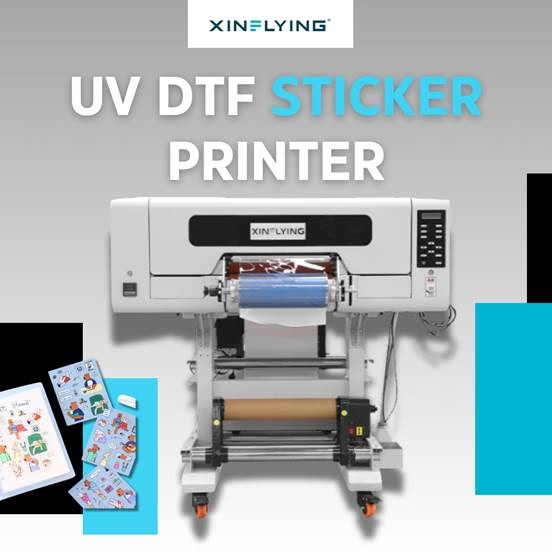
- Short-Run Packaging: E-commerce brands use digital to create limited-edition boxes. UV DTF is a major trend here, allowing logos to be applied to curved items like hydro-flasks and glass trophies.

- Custom Textiles: On-demand fashion is now standard. Digital printing allows designers to sell a shirt before it is even printed, eliminating unsold inventory.
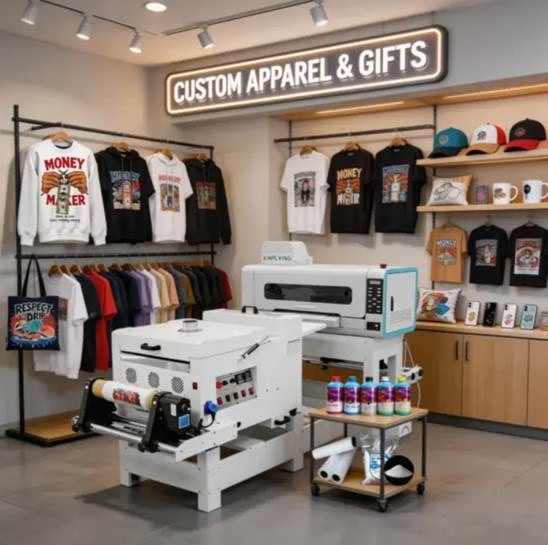
- Smart Packaging: High-end brands now print NFC or AR triggers directly onto labels, turning a product bottle into a digital experience.
→ More details on What You Can Make with a DTF Printer?
Fordele & Cons of Digital Printing
Digital printing offers unmatched speed and flexibility but can become more expensive than traditional methods for massive production runs exceeding 10,000 enheder.
Fordele
The greatest value of digital printing lies in its ability to bypass the cumbersome physical prepress procedures of traditional printing, bringing exceptional commercial flexibility and efficiency.
- Plateless Production: By eliminating the platemaking process, electronic files can be printed directly. This makes it the perfect solution for short runs, variable data printing, and Print-on-Demand (POD) models.
- Dynamic Workflows: It supports on-the-fly modifications, allowing clients to edit while printing. This completely disrupts the traditional model that requires large-volume runs to offset costs, providing businesses with a true “nul beholdning” solution that eliminates warehousing pressures.
- Rapid Turnaround: The simplified prepress process directly translates to shorter production cycles. Digital printing is highly responsive, making it ideal for rush orders and time-sensitive projects.
- Photographic Color Quality: As noted in the reference, digital printing often utilizes an RGB color gamut. While its color rendering principles differ slightly from traditional CMYK four-color offset printing, it consistently delivers rich, detaljeret, and photographic-quality results.

- Eco-Friendly Sustainability: By removing steps like platemaking, plate washing, and manual ink mixing, digital printing drastically reduces the consumption of physical resources. It also minimizes waste and chemical pollutants, aligning perfectly with modern environmental and sustainability standards.
Begrænsninger
Despite its outstanding performance in the short-run and on-demand markets, digital printing still faces notable limitations in specific commercial applications.
- Restricted Print Formats: The maximum sheet size or roll width of standard digital presses is generally smaller than that of traditional large-format presses. This means it may fall short when handling large-scale commercial needs, such as oversized posters, large packaging boxes, or banners.
- Strict Material Compatibility: Digital printing is highly selective about its substrates. It may not be suitable for all types of materials (such as certain heavily textured papers, plastik, or metals), especially when highly specific post-press visual effects, specialty inks, or surface treatments are required.
Xinflying – Your Reliable Custom Digital Printing Solutions Provider
Whether you are scaling a Custom Digital Printing business or looking for a digital textile Printer that delivers gallery-grade results, the technology offers a balance of speed and precision that traditional methods cannot match.
If your business requires industrial-grade speed and reliable textile output, explore our latest range of DTF solutions at Xinflyvning.