Takeaways utama
- Pembiakan Langsung: Percetakan digital memindahkan imej terus daripada fail digital ke substrat tanpa plat fizikal atau skrin.
- Percetakan Data Boleh Ubah (VDP): Setiap cetakan tunggal dalam larian boleh menjadi unik, membenarkan kod atau nama QR yang diperibadikan.
- Kelajuan Dan Minimum Rendah: Sesuai untuk “kumpulan satu” atau pusing ganti pada hari yang sama, memintas masa persediaan yang lama kaedah tradisional.
- Kualiti yang Berkembang: Sistem inkjet moden kini mencapai 2400 resolusi DPI, menyaingi ketajaman percetakan offset.
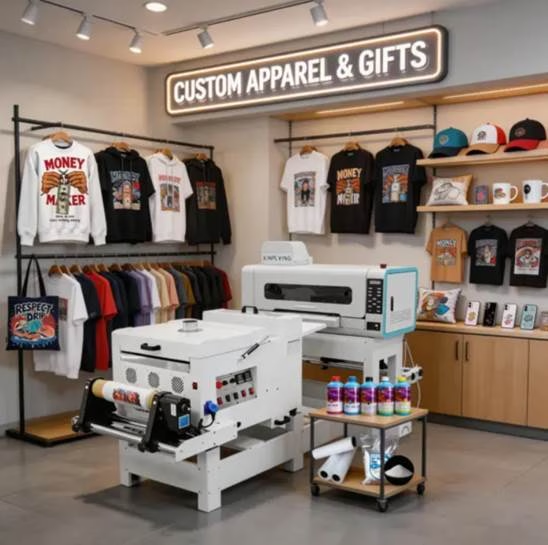
- Inovasi Tekstil: Teknologi seperti DTF (Terus-ke-Filem) telah merevolusikan pakaian tersuai dengan ketahanan tinggi dan warna yang terang.
Percetakan digital ialah kaedah moden yang menghasilkan semula fail digital (seperti PDF atau TIFF) terus ke bahan seperti kertas, kain, atau plastik. Ia tidak memerlukan plat fizikal atau tetapan perantaraan, yang membolehkan pengeluaran segera.
Oleh itu, teknologi cenderung menjadi pilihan utama untuk permintaan 2026 model perniagaan yang memerlukan kelajuan tinggi, kuantiti pesanan minimum yang rendah, dan kandungan yang diperibadikan.
Bagaimana Teknologi Percetakan Digital Moden Berfungsi
Percetakan digital moden telah berkembang daripada sistem pejabat berasaskan toner kepada penyelesaian inkjet industri berkelajuan tinggi. Ia menggunakan “Gugur atas Permintaan” (DOD) teknologi untuk menyembur titisan dakwat mikroskopik terus ke permukaan berdasarkan pemetaan digital.

Dari segi sejarah, percetakan digital bergantung kepada xerografi, proses laser berasaskan toner yang terdapat dalam pencetak pejabat. Namun begitu, anjakan perindustrian kini ke arah Inkjet (DOD). Teknologi ini menggunakan kepala cetak terma atau piezoelektrik untuk “kebakaran” dakwat hanya apabila diperlukan.
Melebihi pancut dakwat standard, sempadan kini termasuk Nanografi, yang menggunakan “NanoInk” untuk menghasilkan lapisan ultra-nipis yang mengikat serta-merta kepada hampir mana-mana substrat. Pendekatan hibrid membolehkan kelajuan offset dengan fleksibiliti digital.
Offset Lwn. Percetakan Digital: Apa perbezaannya?
Pencetakan mengimbangi menggunakan plat fizikal untuk memindahkan dakwat melalui selimut getah, manakala percetakan digital mencetak terus daripada fail. Offset dibina untuk volum besar, manakala digital direka untuk kelajuan dan penyesuaian.
Apabila memilih antara Offset Vs. Percetakan Digital, pertimbangkan tiga faktor ini:
- Masa Persediaan: Offset memerlukan berjam-jam untuk membuat plat dan menentukur kekunci dakwat. Digital ialah “pasang dan main,” menawarkan permulaan segera.
- Ketepatan Warna: Mengimbangi petunjuk dalam ketepatan warna Pantone/bintik kerana anda boleh mencampurkan dakwat fizikal kepada warna yang tepat. Digital menggunakan CMYK (Cyan, Magenta, kuning, Kunci/Hitam) untuk mensimulasikan warna, walaupun sistem digital 8 warna moden sedang menutup jurang ini.
- Kepelbagaian Bahan: Offset masih mengendalikan stok yang sangat berat atau sangat bertekstur dengan lebih baik. Namun begitu, Mesin Percetakan Digital moden kini boleh mencetak pada segala-galanya daripada filem nipis kepada kayu tegar.
Pencetakan Skrin lwn. Pencetakan Digital → Kelajuan lwn. Tekstur
Percetakan skrin menolak dakwat tebal melalui stensil mesh, mencipta tekstur terangkat. Percetakan digital menyembur titisan nipis yang sering meresap ke dalam fabrik untuk lebih licin “rasa tangan.”
| Pencetakan Skrin | Percetakan Digital (DTF/DTG) | |
|---|---|---|
| rasa | tebal, Tekstur Getah (Dibesarkan) | lancar, Boleh bernafas “Tangan Lembut” |
| Kerumitan | Terbaik Untuk Mudah, Logo Tebal | Terbaik Untuk Foto/Kecerunan Tinggi |
| kos | Mahal Untuk Larian Kecil | Mampu Milik Untuk “Kumpulan Satu” |
| Kelajuan | Persediaan Lambat, Keluaran Pantas | Persediaan Segera, Output Stabil |
Dalam Pencetakan Skrin lwn. Perbahasan Percetakan Digital, kos adalah faktor penentu. Percetakan skrin memerlukan skrin berasingan untuk setiap warna dalam reka bentuk. Jika anda inginkan Baju Cetakan Digital dengan gambar penuh warna, digital adalah satu-satunya cara yang menjimatkan kos.
Apa Itu Percetakan Digital Digunakan untuk 2026?
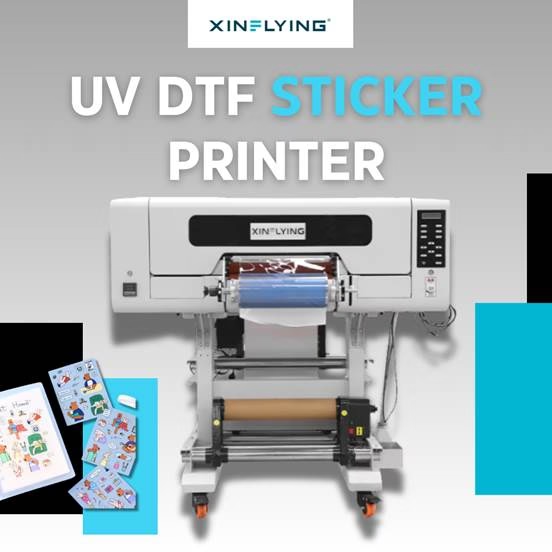
Aplikasi telah berkembang melebihi kertas untuk memasukkan pemasaran yang diperibadikan, pengesanan tekstil gred perubatan, dan “tidak boleh dicetak” permukaan keras melalui Teknologi UV DTF.
- Percetakan Data Boleh Ubah (VDP): Kami melihat ini dalam mel terus di mana setiap risalah mempunyai peta unik atau kod QR yang disesuaikan dengan penerima.
- Pembungkusan Jangka Pendek: Jenama e-dagang menggunakan digital untuk mencipta kotak edisi terhad. UV DTF adalah trend utama di sini, membenarkan logo digunakan pada item melengkung seperti kelalang hidro dan trofi kaca.

- Tekstil Tersuai: Fesyen atas permintaan kini menjadi standard. Percetakan digital membolehkan pereka menjual baju sebelum ia dicetak, menghapuskan inventori yang tidak terjual.
- Pembungkusan Pintar: Jenama mewah kini mencetak pencetus NFC atau AR terus pada label, menukar botol produk kepada pengalaman digital.
→ Butiran lanjut tentang Perkara yang Boleh Anda Buat dengan Pencetak DTF?
Kebaikan & Keburukan Percetakan Digital
Percetakan digital menawarkan kelajuan dan fleksibiliti yang tiada tandingan tetapi boleh menjadi lebih mahal daripada kaedah tradisional untuk pengeluaran besar-besaran yang melebihi 10,000 unit.
Kelebihan
Nilai terbesar percetakan digital terletak pada keupayaannya untuk memintas prosedur pracetak fizikal yang menyusahkan percetakan tradisional, membawa fleksibiliti dan kecekapan komersial yang luar biasa.
- Pengeluaran Tanpa Plate: Dengan menghapuskan proses pembuatan plat, fail elektronik boleh dicetak terus. Ini menjadikannya penyelesaian yang sempurna untuk larian pendek, percetakan data berubah-ubah, dan Cetakan Atas Permintaan (POD) model.
- Aliran Kerja Dinamik: Ia menyokong pengubahsuaian secara on-the-fly, membenarkan pelanggan mengedit semasa mencetak. Ini sepenuhnya mengganggu model tradisional yang memerlukan larian volum besar untuk mengimbangi kos, menyediakan perniagaan dengan benar “inventori sifar” penyelesaian yang menghilangkan tekanan pergudangan.
- Pusingan Pantas: Proses pratekan yang dipermudahkan secara langsung diterjemahkan kepada kitaran pengeluaran yang lebih pendek. Percetakan digital sangat responsif, menjadikannya sesuai untuk pesanan tergesa-gesa dan projek sensitif masa.
- Kualiti Warna Fotografi: Seperti yang dinyatakan dalam rujukan, percetakan digital selalunya menggunakan gamut warna RGB. Walaupun prinsip pemaparan warnanya berbeza sedikit daripada pencetakan mengimbangi empat warna CMYK tradisional, ia secara konsisten memberikan kekayaan, terperinci, dan hasil kualiti fotografi.

- Kelestarian Mesra Alam: Dengan mengeluarkan langkah-langkah seperti pembuatan plat, basuh pinggan, dan pencampuran dakwat manual, percetakan digital secara drastik mengurangkan penggunaan sumber fizikal. Ia juga meminimumkan sisa dan bahan pencemar kimia, selaras dengan sempurna dengan piawaian alam sekitar dan kemampanan moden.
Batasan
Walaupun prestasi cemerlangnya dalam pasaran jangka pendek dan atas permintaan, percetakan digital masih menghadapi batasan ketara dalam aplikasi komersial tertentu.
- Format Cetakan Terhad: Saiz helaian maksimum atau lebar gulungan penekan digital standard biasanya lebih kecil daripada penekanan format besar tradisional. Ini bermakna ia mungkin gagal apabila mengendalikan keperluan komersial berskala besar, seperti poster bersaiz besar, kotak pembungkusan yang besar, atau sepanduk.
- Keserasian Bahan Tegas: Percetakan digital sangat selektif tentang substratnya. Ia mungkin tidak sesuai untuk semua jenis bahan (seperti kertas bertekstur berat tertentu, plastik, atau logam), terutamanya apabila kesan visual pasca akhbar yang sangat spesifik, dakwat khusus, atau rawatan permukaan diperlukan.
Xinflying – Penyedia Penyelesaian Pencetakan Digital Tersuai Anda yang Boleh Dipercayai
Sama ada anda sedang mengembangkan perniagaan Percetakan Digital Tersuai atau mencari Pencetak tekstil digital yang memberikan hasil gred galeri, teknologi ini menawarkan keseimbangan kelajuan dan ketepatan yang tidak dapat dipadankan oleh kaedah tradisional.
Jika perniagaan anda memerlukan kelajuan gred industri dan keluaran tekstil yang boleh dipercayai, terokai rangkaian terkini penyelesaian DTF kami di Xinflying.