
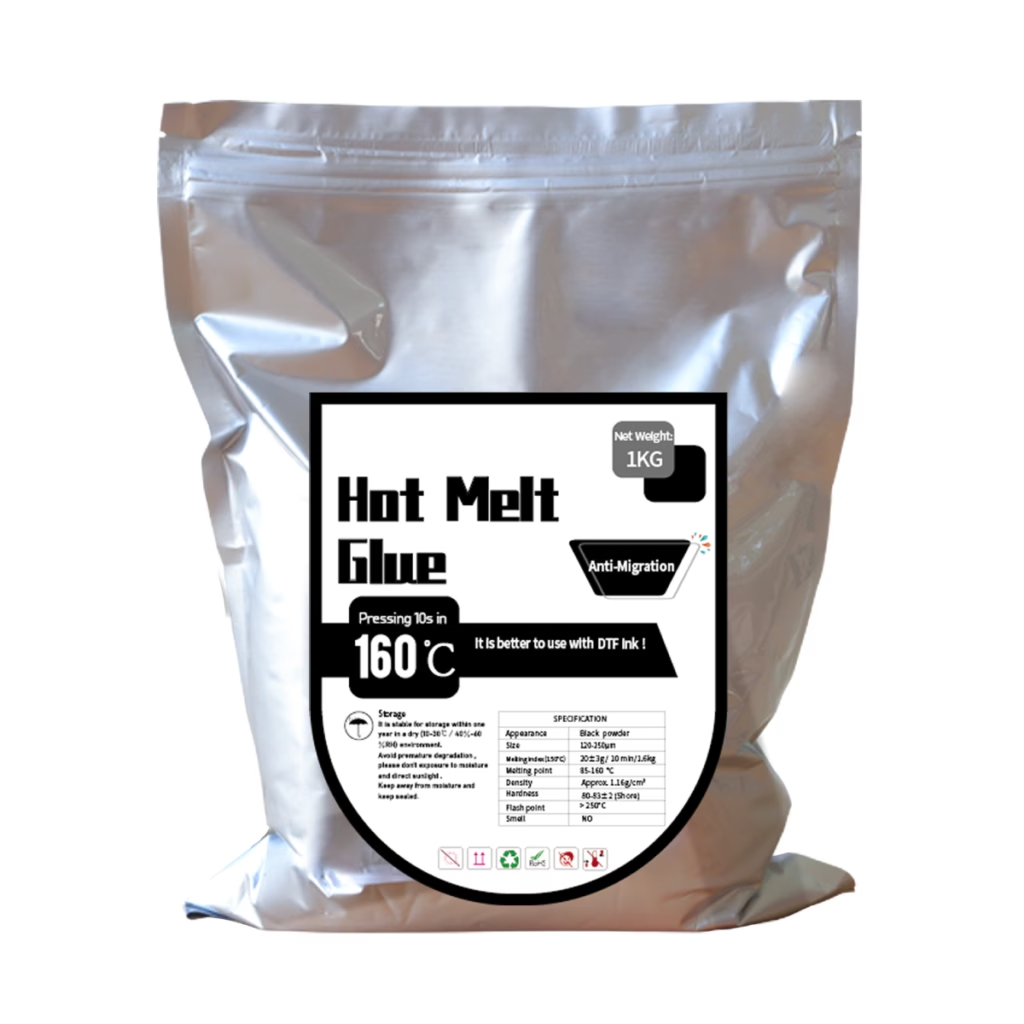
Proper storage of Direct-to-Film (DTF) powder is essential for maximizing its performance and longevity. Understanding how humidity affects DTF powders can help businesses maintain optimal conditions and ensure high-quality printing results. With the right humidity control strategies, companies can preserve their DTF-jauhe effectively, leading to cost savings and enhanced sustainability.
Why Humidity Matters for DTF Powders
Humidity plays a significant role in the quality and usability of DTF powder. Excess moisture can lead to clumping or hardening of the powder, which affects its flow and application during the printing process. When DTF powders absorb moisture from the air, they may not adhere properly to the printed designs, resulting in poor quality and reduced durability after heat transfer.
Conversely, excessively dry conditions can also impact DTF powders, potentially leading to static issues during application. Siksi, maintaining a balanced humidity level is crucial for ensuring that DTF powders remain effective and ready for use. The recommended humidity range for storing DTF powders is typically between 40% ja 60%, which optimizes their performance while minimizing waste.
Best Practices for Humidity Control
Implementing effective humidity control measures is key to preserving DTF powders. Here are several tips to help businesses maintain the ideal storage environment:
1. Use Climate-Controlled Storage: Invest in climate-controlled storage solutions that can regulate both temperature and humidity levels. This ensures a stable environment for DTF powders, preventing fluctuations that could lead to spoilage or compromised quality.
2. Desiccants and Moisture Absorbers: Incorporate desiccants or moisture-absorbing materials into storage containers. These substances can help absorb excess moisture from the air, maintaining optimal humidity levels and preventing clumping.
3. Seal Containers Properly: Store DTF powders in airtight containers to minimize exposure to humidity. Ensure that lids are securely fastened and check seals regularly to prevent any moisture ingress.
4. Regular Monitoring: Use hygrometers to monitor humidity levels in storage areas. This allows businesses to make necessary adjustments promptly if levels fall outside the recommended range.
By adopting these best practices, companies can enhance the shelf life of their DTF powders, ensuring they remain effective and reliable for a longer period.
Elevating Your Printing Process with Quality DTF Powders
Xinflyingissä, we recognize the importance of proper storage and handling of DTF powders to achieve superior printing results. Our DTF powders are designed to be cost-effective and eco-friendly, allowing for recycling that reduces waste and supports sustainable practices within the printing industry.
By following the humidity control tips outlined above, businesses can optimize their storage conditions and maintain the quality of DTF powders effectively. As your trusted partner in the DTF printing landscape, we are committed to providing high-quality products that meet your operational needs. Yhdessä, we can elevate your printing processes while contributing positively to environmental sustainability. Choose Xinflying for all your DTF powder requirements and experience exceptional results that resonate with your customers.