Until recently, DTF UV (Ultraviolet Direct to Film) printing was primarily associated with soft materials like textiles and silicone. Cependant, recent advancements in adhesive chemistry and transfer film engineering have broken those boundaries. Today’s UV DTF systems can reliably print on rigid substrates such as glass, aluminium, stainless steel, bois, acrylique, and even curved plastic surfaces. This breakthrough opens lucrative new markets for print service providers, including promotional product personalization, industrial nameplates, automotive interior decorations, and architectural signage.
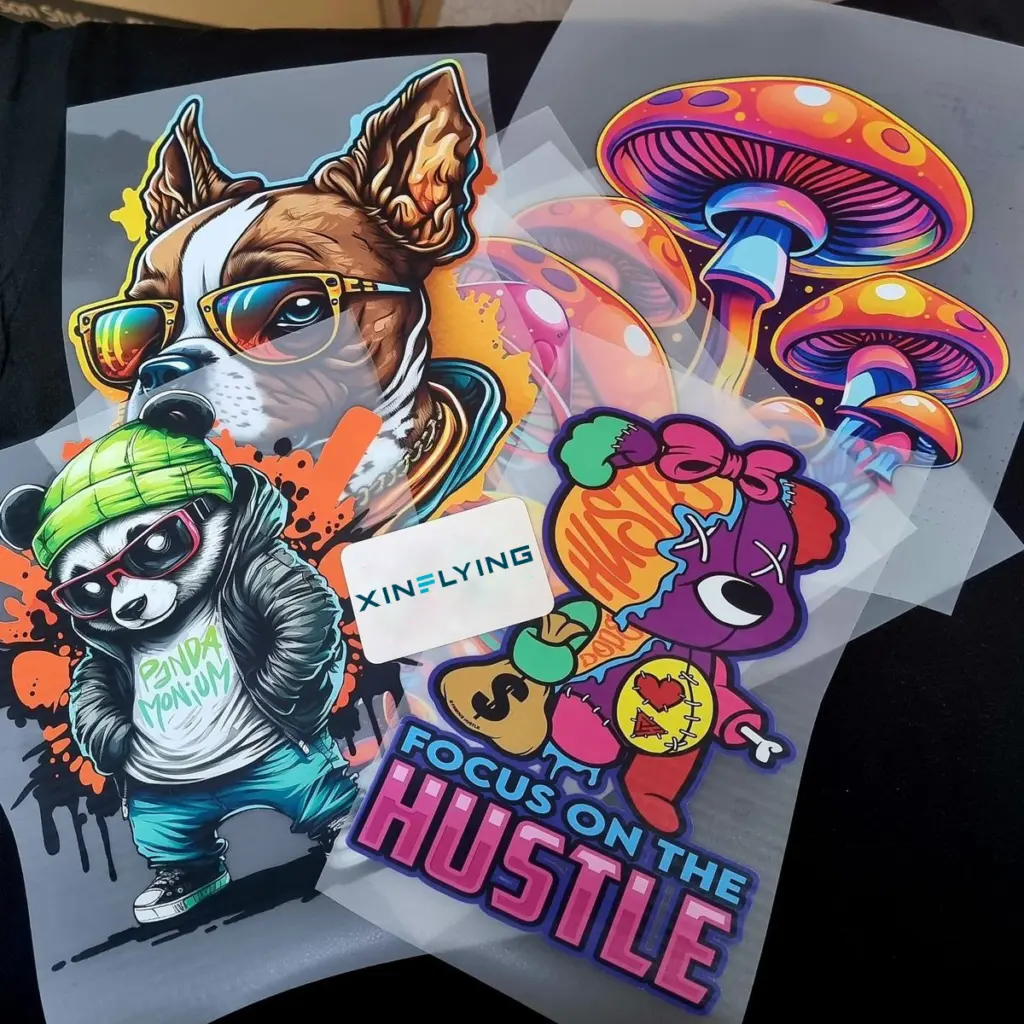
The process involves printing a UV‑curable ink layer onto a special release film, applying an adhesive layer, and then transferring the design onto the rigid object using a heat press or roller. The result is a highly durable, scratch‑resistant, and weather‑resistant decoration that outperforms traditional screen printing or pad printing in terms of detail and color range. De plus, UV DTF requires no pre‑treatment or post‑curing of the substrate, making it ideal for just‑in‑time production runs.
Leading industry association FESPA has highlighted rigid‑substrate UV DTF as one of the top emerging technologies for 2026, with adoption rates among European and North American PSPs doubling in the past 12 mois. For businesses already offering promotional products, adding UV DTF capability can be a game changer – enabling full‑color, photo‑realistic prints on water bottles, Coque de téléphone, power banks, and corporate gifts with minimal setup costs.
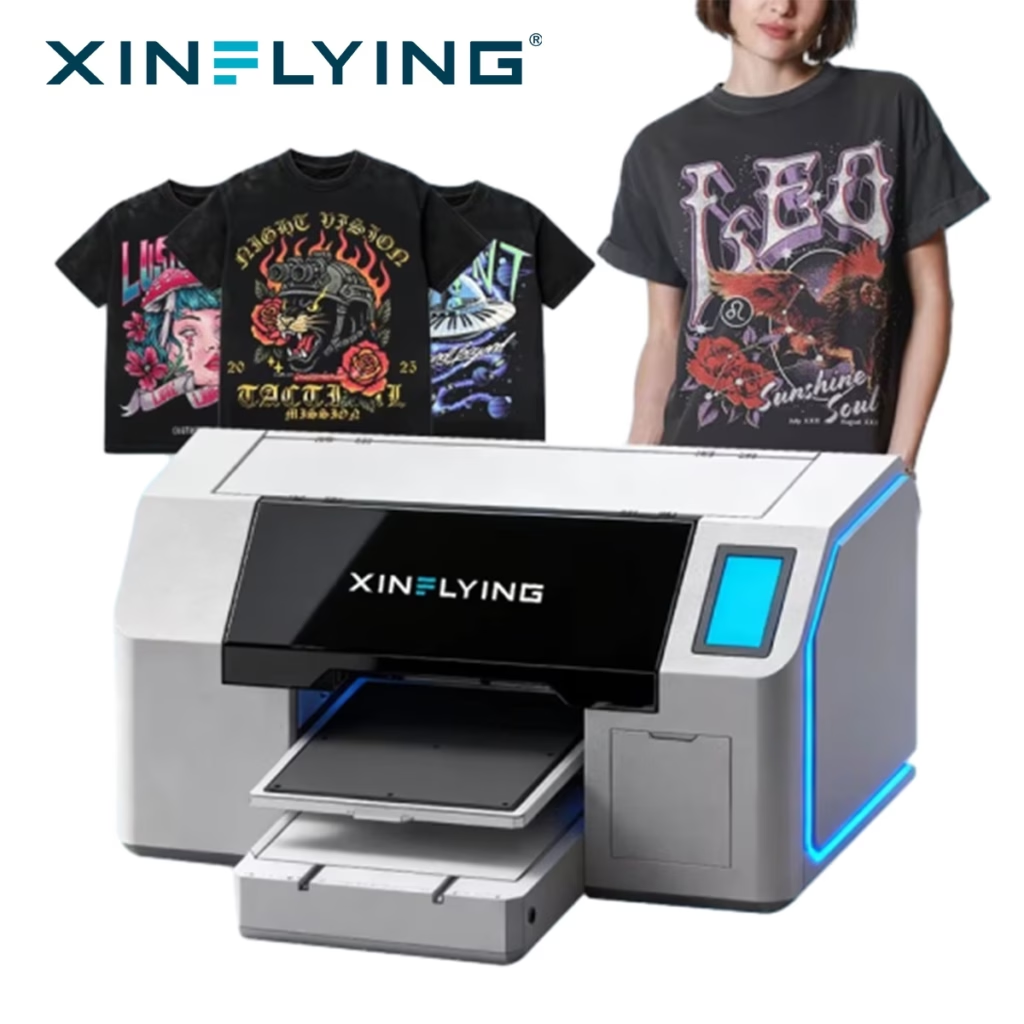
Xinflying’s Imprimantes UV DTF are engineered to handle both flexible and rigid transfers, providing a versatile solution for shops looking to diversify their service offerings. Explore the product line and request a sample transfer to see the quality for yourself.