
In the fast-paced world of modern apparel and home décor, a demanda por “Sob demanda” production has never been higher. Traditional methods like screen printing, while reliable for massive bulk orders, often struggle with the flexibility and intricate detail required by today’s designers. This is where digital printing in textiles steps in, revolutionizing how we apply color and patterns to fabric.
For businesses looking to scale, understanding the nuances of this technology is the first step toward efficiency. By leveraging a high-performance digital textile printer, manufacturers can now achieve photographic quality, unlimited color ranges, and significantly reduced waste—all while maintaining a competitive edge in a saturated market.
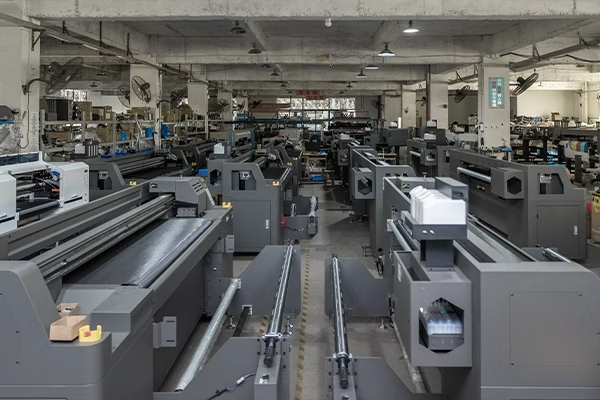
Understanding the Digital Textile Printing Process
Digital textile printing is an inkjet-based method of printing colorants onto fabric. Unlike analog methods that require physical screens or engraved rollers for every color, digital printing works directly from a computer file. Esse “direct-to-fabric” ou “direto para filme” approach eliminates the need for plate-making, allowing for instantaneous design changes and shorter production cycles.
There are several key technologies under the digital umbrella, but two of the most prominent for B2B applications are Direct-to-Garment (DTG) and Direct-to-Film (DTF). While DTG sprays ink directly onto natural fibers like cotton, o DTF textile printer has emerged as a versatile powerhouse capable of handling almost any material, incluindo poliéster, nylon, e misturas.
Why the DTF Textile Printer is Changing the Game
If you are evaluating which digital textile printer is right for your facility, the DTF (Direto para filme) method deserves a close look. This process involves printing a design onto a specialized PET film, applying a hot-melt adhesive powder, and then transferring the design onto the fabric using a heat press.
The primary advantage here is versatility. Traditional digital printers often have specific fabric requirements (como 100% cotton for DTG). Em contraste, a Xinflying DTF textile printer allows you to print on dark and light fabrics with equal vibrance. Because the ink sits on a transfer layer rather than soaking deep into the fibers, the colors remain incredibly bright, and the prints boast exceptional wash fastness and stretchability.
Key Technical Specifications of Xinflying Solutions
When selecting industrial equipment, precision is everything. Xinflying has engineered its printers to meet the rigorous demands of commercial print shops and garment factories. Below are the precise specifications for our flagship models, updated with the latest performance data to help your procurement decisions.
| Recurso | 24-Impressora DTF em polegadas (C602+C650H) | 48-Inch Industrial DTF (L1208+D1208) |
| Printhead Type | Epson i3200-A1 duplo | 8 PCs Epson i3200-A1 |
| Max Printing Width | 600 milímetros (24 polegadas) | 1200 milímetros (48 polegadas) |
| Velocidade de produção | 4-Passar: 13 m²/h | 4-Passar: 60 m²/h |
| Peso líquido | 210 KG | 580 KG |
| Special Features | Integrated dusting/drying system | Advanced multi-head synchronization |
These machines minimize maintenance downtime—a critical factor for B2B operations where every hour of idle time impacts the bottom line.
Strategic Benefits for Your Business
Transitioning to a digital workflow with a digital textile printer offers more than just pretty pictures; it offers a strategic financial advantage.
Reduced Overhead: Eliminate the costs associated with screen storage, chemical emulsion, and labor-intensive setup.
Eco-Friendly Operations: Xinflying uses OEKO-TEX® certified pigment inks. Digital printing reduces water consumption by up to 90% compared to traditional dyeing and printing methods, helping your brand meet modern sustainability standards.
No Minimum Order Quantity (Quantidade mínima): Digital technology makes it profitable to print a single custom T-shirt or a 500-yard roll of fabric. This flexibility allows businesses to test new designs in the market without the risk of unsold inventory.
Exceptional Detail: Achieve smooth gradients and fine lines that are physically impossible with manual screen printing.
Choosing the Right Impressora Digital Têxtil for Your Scale
Whether you are a startup or a large-scale textile factory, o “certo” machine depends on your daily output requirements.
For Startups & Amostragem: The 12-inch or 16.5-inch (A2) models provide a compact footprint. These are ideal for logo printing and short runs where space and budget are the primary concerns.
For Growing Businesses: The C602+C650H 24-inch dual-head printer is the “sweet spot” for most commercial print shops, offering a perfect balance of speed (até 13 m²/h) e custo-benefício.
For Industrial Factories: The L1208+D1208 48-inch 8-head configuration is designed for 24/7 Operação, maximizing output (até 60 m²/h) for wholesale orders and global exports.
Conclusão
The shift toward digital printing in textiles is not just a trend; it is a fundamental change in the global supply chain. By adopting a Xinflying DTF textile printer or a high-speed sublimation system, businesses can respond to market trends in real-time, reduce their environmental footprint, and deliver superior products to their clients.
Precisão, estabilidade, and versatility are the hallmarks of modern digital solutions. As you look to upgrade your production line, remember that the quality of your output is only as good as the technology driving it. Invest in a system that offers the speed of the future with the reliability your business demands today.
Sobre Xinflying: Established in 2010, Xinflying is a premier manufacturer specializing in digital printing solutions. With overseas warehouses in the U.S., Brasil, and Europe, we provide world-class technical support and high-performance machinery to help your business achieve unparalleled success in the textile industry.