The future of digital textile printing through 2030 promises continued growth, technological advancement, and structural transformation of the industry. According to multiple market forecasts, digital textile printing will capture over 50% of the printed textile market by 2030, up from approximately 35% ichida 2026, representing a fundamental shift in how textiles are decorated.
Several key trends will shape the industry through 2030. Birinchidan, sustainability will become not just a competitive advantage but a license to operate. Water usage regulations, chemical restrictions, and extended producer responsibility laws will increasingly favor digital printing’s lower environmental impact. Printers who fail to adopt sustainable practices may find themselves excluded from major markets.
Second, automation and AI will transform production. Smart factories with integrated workflow, predictive maintenance, and autonomous quality control will become standard for volume producers. Labor requirements will decrease significantly, shifting workforce skills from manual operation to system management and optimization.
Third, supply chain localization will accelerate. Near-shoring and on-shoring driven by resilience concerns, trade tensions, and sustainability will create demand for local digital printing capacity. Printers located near major consumer markets will capture share from distant suppliers.
Fourth, personalization will become the norm rather than a premium service. Consumers increasingly expect customized products as standard. Digital printing’s ability to profitably produce short runs will enable this shift, creating new business models and revenue streams.
Fifth, technology convergence will continue. DTF, sublimatsiya, DTG, and direct-to-fabric pigment printing will increasingly be offered by single suppliers, with printers choosing platforms based on their specific application mix rather than technology loyalty.
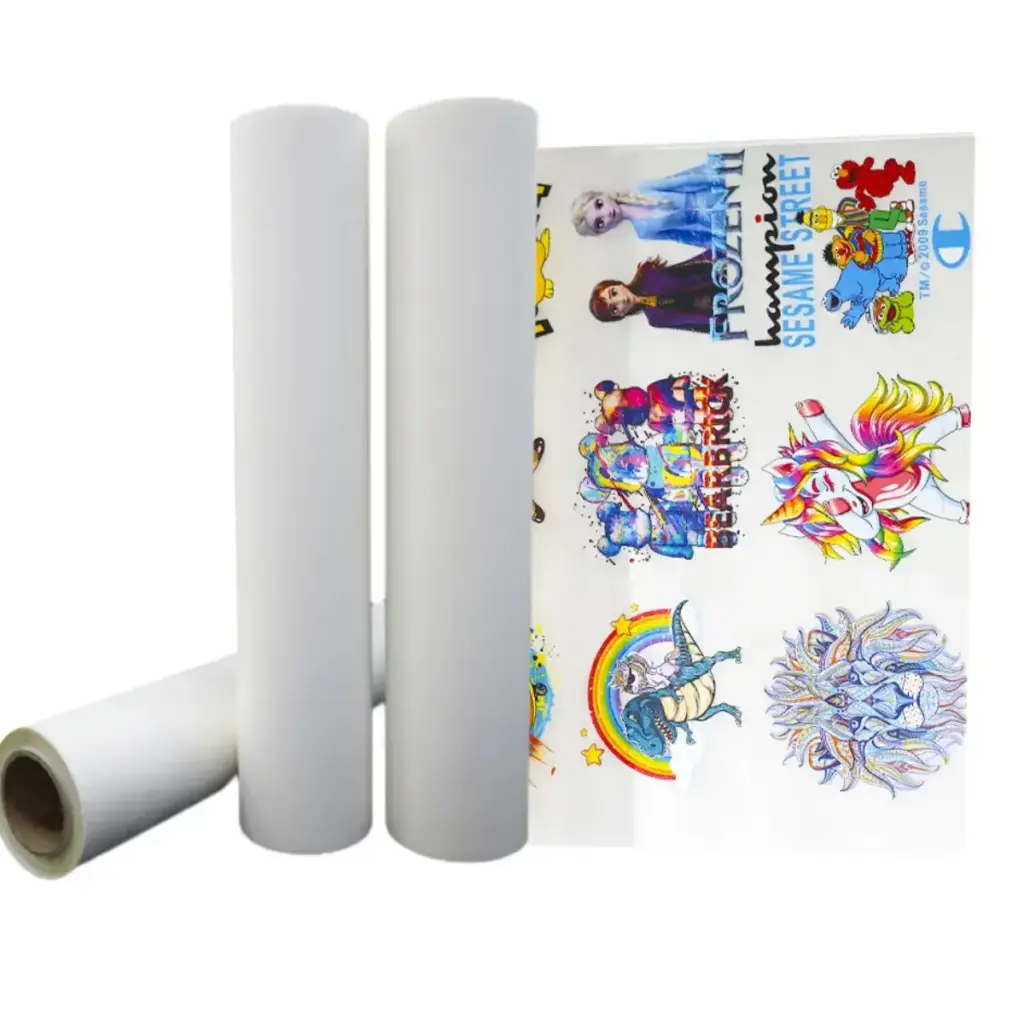
Sixth, consumables innovation will drive quality improvements and cost reductions. New inks, filmlar, papers, and powders will enable better results on more substrates at lower costs. Biodegradable and recyclable consumables will address environmental concerns.
Seventh, industry consolidation will accelerate. Larger printers with capital for automation and scale will acquire smaller competitors. Specialized niche printers serving specific markets or applications will survive and thrive, while undifferentiated generalists will face pressure.
For print service providers, strategic planning for 2030 should consider several questions. What is your competitive advantage in a more automated, sustainable industry? Which market segments offer the best growth opportunities? How will you fund technology investments? What skills will your workforce need?
Investment priorities through 2030 should include automation to reduce labor costs and improve consistency, sustainability to meet regulatory and customer requirements, and workflow integration to improve efficiency and customer experience.
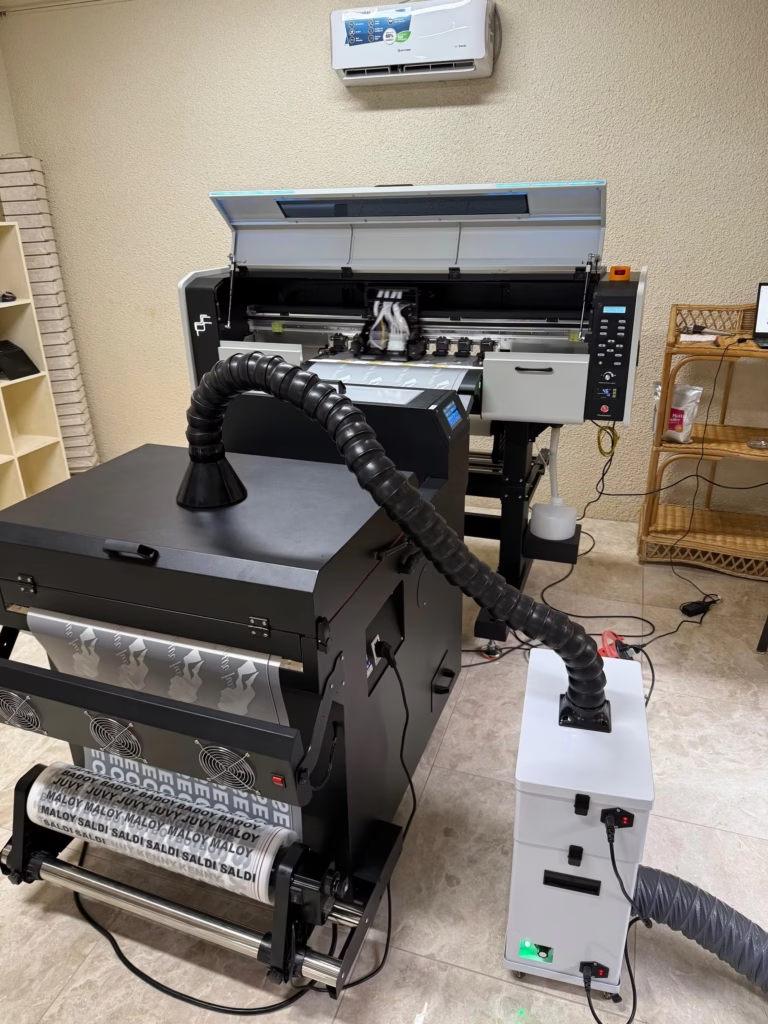
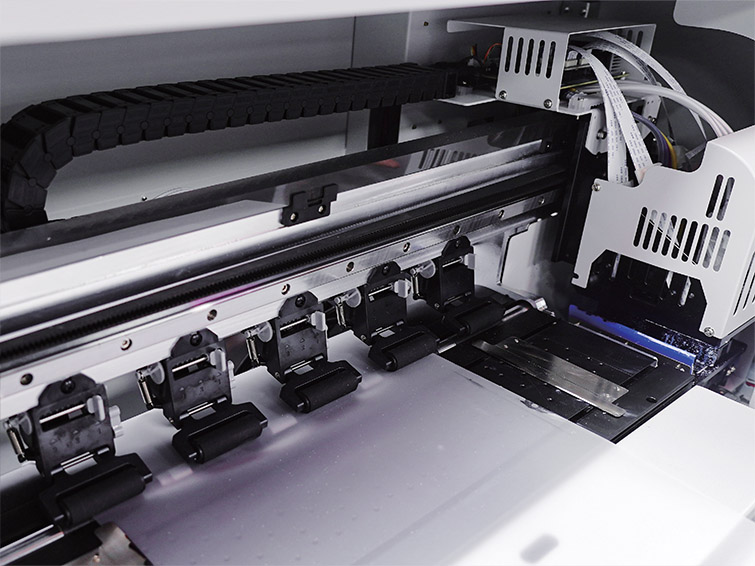
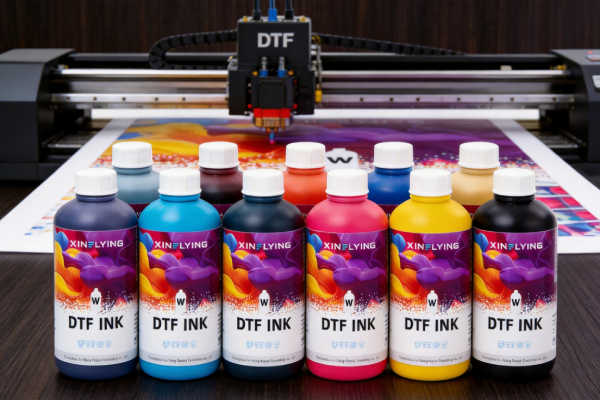
Xinflying Group is committed to supporting customers through this transformation with innovative DTF printerlari, UV DTF printerlari, va sublimatsiya printerlari designed for the future of digital textile printing. Our R&D team continuously develops new technologies to help customers succeed in evolving markets.