Bevezetés
Rugalmasságának köszönhetően a DTF-nyomtatás az egyedi ruházati ipar általános megoldásává vált, élénk színek, és kompatibilitás több szövettel. azonban, tökéletes elérése DTF átvitel nem csak a birtoklásától függ DTF nyomtató.
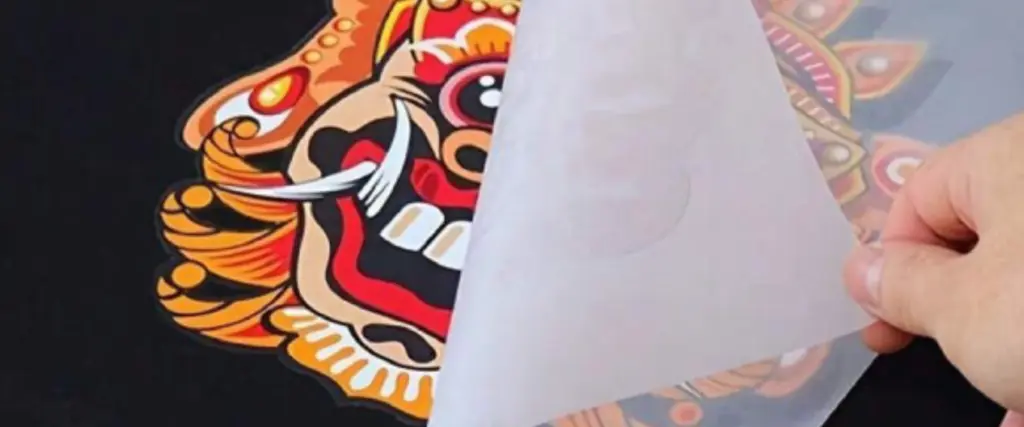
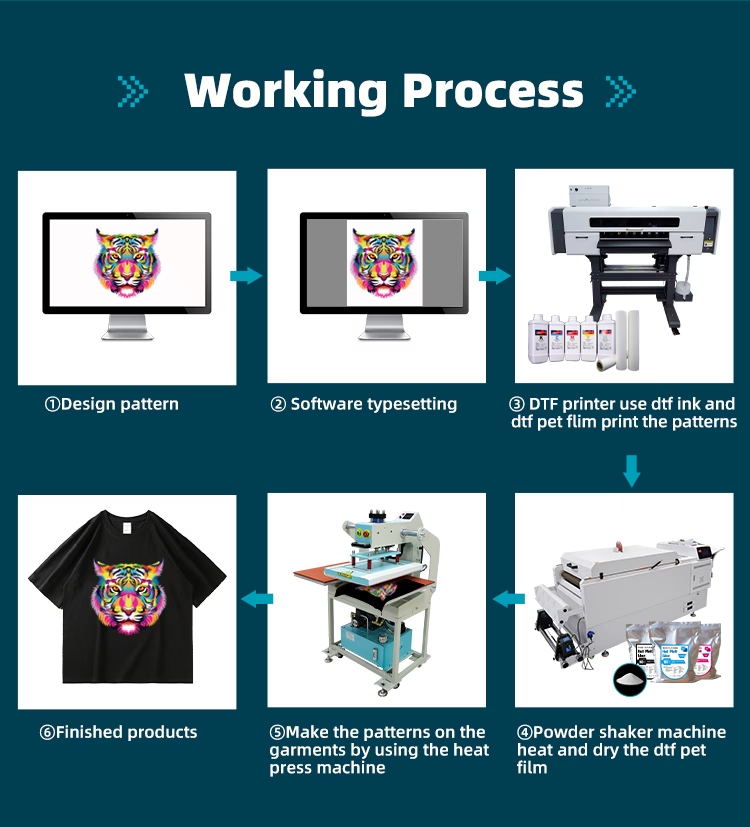
Mivel a DTF nyomtatás több lépésből áll – a nyomtatás, por alkalmazás, gyógyító, és hőpréselés – még egy kisebb hiba is gyenge tapadáshoz vezethet. Az egyik leggyakoribb probléma, amellyel a felhasználók találkoznak A DTF átvitelek nem tapadnak megfelelően.
Ez az útmutató elmagyarázza a a DTF átviteli hiba fő okai és praktikus megoldásokat kínál a nyomtatás tartósságának és konzisztenciájának javítására.
Gyakori okok, amelyek miatt a DTF-átvitelek nem tapadnak meg
A fűtőprés hőmérséklete vagy nyomása nem megfelelő
A hőpréselés a DTF átviteli folyamat utolsó és legkritikusabb szakasza.
Ha a hőmérséklet túl alacsony, a ragasztópor nem tud teljesen megolvadni, gyenge kötést eredményez. Hasonlóképpen, az elégtelen nyomás megakadályozza, hogy a tinta és a ragasztó behatoljon a szövetszálakba.
A gyakori problémák közé tartozik:
- Alacsony hőmérséklet → a ragasztó nem teljes aktiválása
- Nem megfelelő nyomás → felületi tapadás
- Egyenetlen nyomás → részleges hámlás
A környezeti feltételek befolyásolják a DTF átvitel minőségét
A környezeti tényezők jelentős szerepet játszanak a DTF-nyomtatás sikerében.
- A magas páratartalom a ragasztópor összetapadását okozhatja
- A rossz szellőzés nem teljes porszáradáshoz vezethet
- A por és a törmelék szennyezheti a transzfer felületet
A tisztaság fenntartása, száraz, és a jól szellőző munkaterület elengedhetetlen a stabil DTF átviteli eredményekhez.
Nem megfelelő mennyiségű DTF ragasztópor
A por alul- és túlzott felhordása egyaránt tapadási problémákat okozhat.
- A túl kevés por gyenge vagy hiányzó tapadási területekhez vezet
- A túl sok por sűrűséget hoz létre, merev transzferek, amelyek megrepedhetnek
A cél az még, teljes lefedettség túlzott felhalmozódás nélkül.
Gyenge minőségű vagy sérült DTF transzferfólia
Nem minden DTF transzferfólia nyújt egyenletes teljesítményt.
Az alacsony minőségű filmek gyakran szenvednek:
- Egyenetlen bevonat
- Gyenge ragasztórétegek
- Rossz kioldási tulajdonságok
Még a prémium filmek is meghibásodhatnak, ha megkarcolódnak, összehajtogatva, vagy helytelenül tárolták.
Lásd az összehasonlító útmutatót:Hot Peel vs Cold Peel DTF filmek magyarázata
A film túl korai lehúzása
A DTF átvitelek megfelelő hűtési időt igényelnek a hámozás előtt.
Lehetséges, hogy túl korán lehúzzuk a filmet:
- Emelje ki a tintát az anyagból
- Torzítsa el a tervezést
- Csökkentse a hosszú távú tartósságot
Mindig kövesse a fólia gyártójának leválasztási utasításait.
A DTF átvitel tapadásával kapcsolatos problémák megoldása
Használjon kiváló minőségű DTF tintát és port
Az alacsony költségű fogyóeszközök gyakran inkonzisztens tapadást és gyenge mosásállóságot eredményeznek.
A legjobb gyakorlatok:
- A tömeges gyártás előtt tesztelje a tintákat és a porokat
- Kerülje a lejárt vagy nem megfelelően tárolt anyagokat
- Vásároljon megbízhatótól DTF nyomtató beszállítók
Fedezd fel: DTF fogyóeszközök útmutatója: Tinta, Por, Film magyarázata
Illessze a megfelelő szövetet DTF rendszeréhez
Bár a DTF nyomtatás sok textílián működik, nem minden szövet viselkedik egyformán.
Pamut, poliészter, és a keverékek általában jól teljesítenek, de a különböző porok és tinták eltérően reagálhatnak.
Mindig tesztelje az új szöveteket, mielőtt nagy gyártási sorozatokat végezne.
Optimalizálja DTF-nyomtatási munkafolyamatát
A stabil munkafolyamat javítja a konzisztenciát és csökkenti a hulladék mennyiségét.
Az optimalizálás legfontosabb lépései:
- Kalibrálja a DTF nyomtatót a megfelelő tintasűrűség érdekében
- Állítsa be a hőprés hőmérsékletét és nyomását szövettípusonként
- Teljesen kikeményedő ragasztópor
- Kövesse a megfelelő hűtési és hámozási eljárásokat
Gyakran ismételt kérdések a DTF-átvitelekkel kapcsolatban
K: Milyen hőmérsékletet használjak a DTF átvitelhez??
A legtöbb DTF átvitel megköveteli 300–350°F (150-177 °C) -ra 15-20 másodperc, az anyagtól és a por típusától függően.
K: Használhatok normál nyomtatót DTF átvitelhez??
Nem. A DTF átvitelhez dedikált vagy konvertált szükséges DTF nyomtató DTF tintával és filmmel kompatibilis.
K:Miért hámlik le a DTF-em a mosás után??
A hámlást általában az okozza:
- Nem megfelelő kikeményedés
- Helytelen hőprésbeállítások
- Gyenge minőségű vagy lejárt fogyóeszközök
- Összeférhetetlen szövet
K: Megrepedhet-e a DTF átvitel az idő múlásával?
Repedés előfordulhat, ha:
- Túl sok port alkalmazunk
- A nyomás túl magas vagy túl alacsony
- Alacsony minőségű anyagokat használnak
A megfelelő beállítások és minőségi fogyóeszközök használata segít megelőzni a repedéseket.
K:Mennyibe kerül egy DTF nyomtató?
A DTF nyomtató ára változó:
- Belépő szintű vagy átalakított modellek: $500– 1000 dollár
- Professzionális DTF nyomtatók: $1,000– 15 000+ dollár, mérettől és konfigurációtól függően
Következtetés
Amikor a A DTF átvitel nem ragad, az ok általában a beállításokkal kapcsolatos, fogyóeszközök, környezet, vagy folyamatirányítás – nem maga a technológia.
A saját optimalizálásával DTF nyomtató beállítása, megbízható anyagok felhasználásával, és a legjobb gyakorlatok követése, következetesen termelhet tartós, vibráló, és mosásálló DTF transzferek.