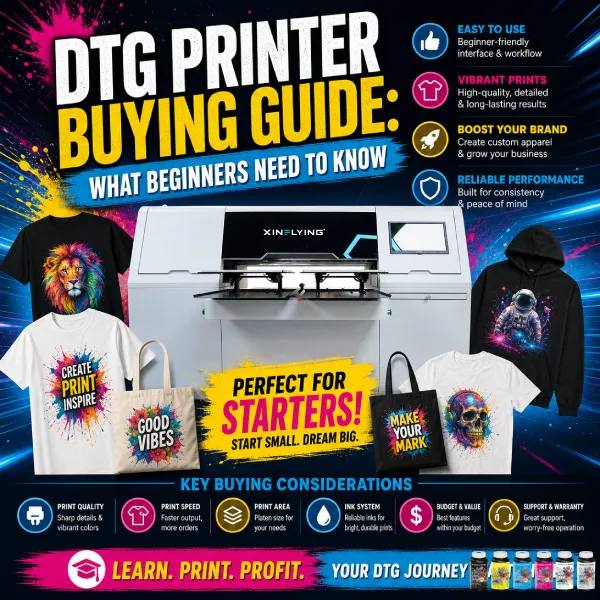
Tiesiogiai įdarbinti (DTG) spausdinimas has transformed the custom apparel industry. With the ability to produce full-color, photo-realistic prints with no minimums, it’s a go-to solution for e-commerce sellers, spausdinimo pagal pareikalavimą verslai, and brand owners alike.
But DTG isn’t a one-size-fits-all solution. The quality of your print depends heavily on what you’re printing on. Šiame vadove, we cover exactly which fabrics and products are ideal for DTG — and which ones to avoid.
| In This Article: How DTG printing works • Best fabrics for DTG • Products that excel with DTG • Fabrics and products to avoid • Pro tips for better DTG results • FAQs |
Kaip veikia DTG spausdinimas (Quick Overview)
DTG printing works like a high-precision inkjet printer — but instead of paper, it prints directly onto fabric using water-based textile inks. For dark garments, a white ink underbase is applied first to ensure color accuracy and vibrancy.
The key to great DTG output lies in the fabric’s ability to absorb ink. Natural fibers — especially cotton — absorb water-based inks far better than synthetic materials, which is why fabric choice is so critical.
Best Fabrics for DTG Printing
1. 100% Cotton — The Gold Standard
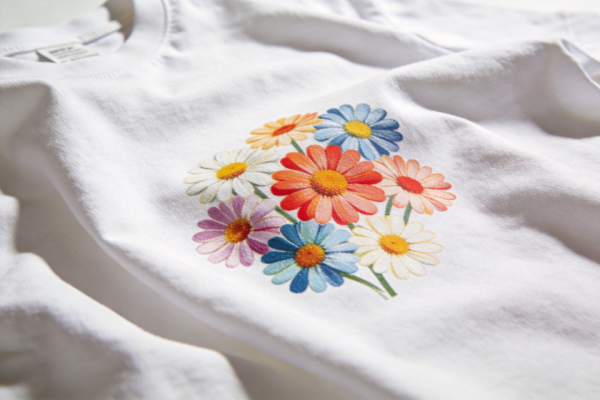
If you want the absolute best DTG results, 100% cotton is your answer. Cotton’s natural fibers absorb water-based inks deeply and evenly, producing vibrant colors, sharp detail, and a soft hand feel. Ring-spun cotton gives especially smooth, professional-looking results.
- White and light-colored cotton: stunning vibrancy, no white underbase needed.
- Dark cotton: excellent results with white underbase pretreatment.
- Ideal garments: Marškinėliai, gobtuvai, krepšiai, onesies, long-sleeve tees.
2. Cotton/Polyester Blends
Blended fabrics work well with DTG, especially those with a high cotton content (65% ar daugiau). The cotton fibers absorb the ink, while the polyester adds durability and structure. The higher the polyester percentage, the more muted or heathered the print may appear.
- 50/50 blend: good results, slightly softer color saturation.
- 65/35 cotton/poly: near-equivalent to 100% cotton performance.
- Tri-blend (cotton/poly/rayon): popular in fashion tees; produces a vintage, soft-touch print.
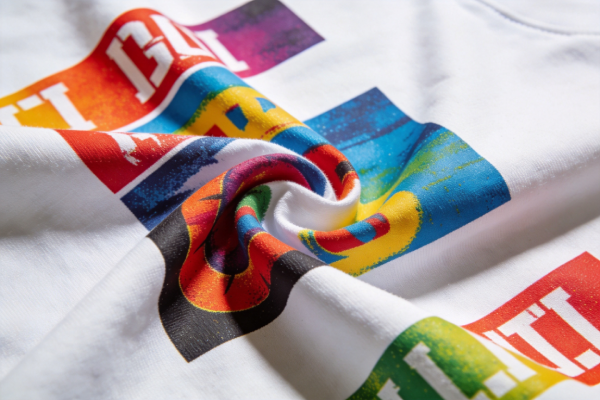
3. Linen and Hemp
Natural plant-based fibers like linen and hemp are excellent candidates for DTG. Their porous, absorbent structure holds ink well. Linen does have a slightly textured surface, which gives prints a natural, artisanal aesthetic — intentional for many brand identities.
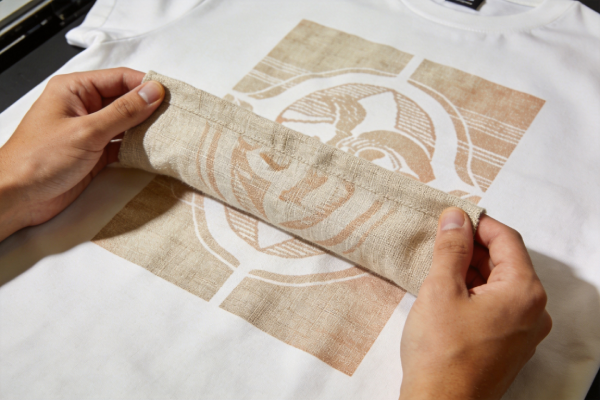
4. Bamboo and Modal
Bamboo and modal fabrics (both semi-synthetic from natural sources) can produce beautiful DTG prints, especially on lighter colors. They’re popular in premium apparel lines for their softness. Pretreatment may be needed for dark garments.
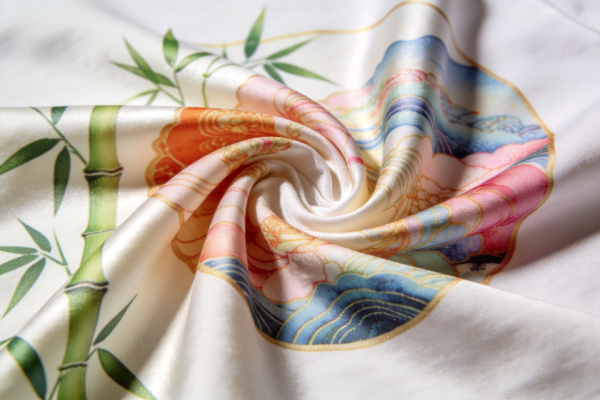
DTG Fabric Compatibility at a Glance
| Audinys | DTG Compatibility | Spalvos gyvybingumas | Pastabos |
| 100% Medvilnė | ✅ Puikus | ⭐⭐⭐⭐⭐ | Best results; gold standard for DTG |
| Cotton/Poly Blend | ✅ Geras | ⭐⭐⭐⭐ | 65%+ cotton recommended |
| 100% Poliesteris | ⚠️ Ribotas | ⭐⭐ | Needs pretreatment; sublimation better |
| Lininiai / Hemp | ✅ Geras | ⭐⭐⭐⭐ | Natural fibers absorb ink well |
| Bamboo / Modal | ✅ Geras | ⭐⭐⭐⭐ | Soft hand feel; works with pretreatment |
| Nailonas / Rayon | ❌ Not Recommended | ⭐ | Poor ink absorption; avoid |
Best Products for DTG Printing
Marškinėliai
The classic DTG product. Cotton crew necks and V-necks in any color are perfectly suited for DTG. Popular brands like Bella+Canvas 3001, Next Level 3600, and Gildan 64000 are industry favorites for DTG output.
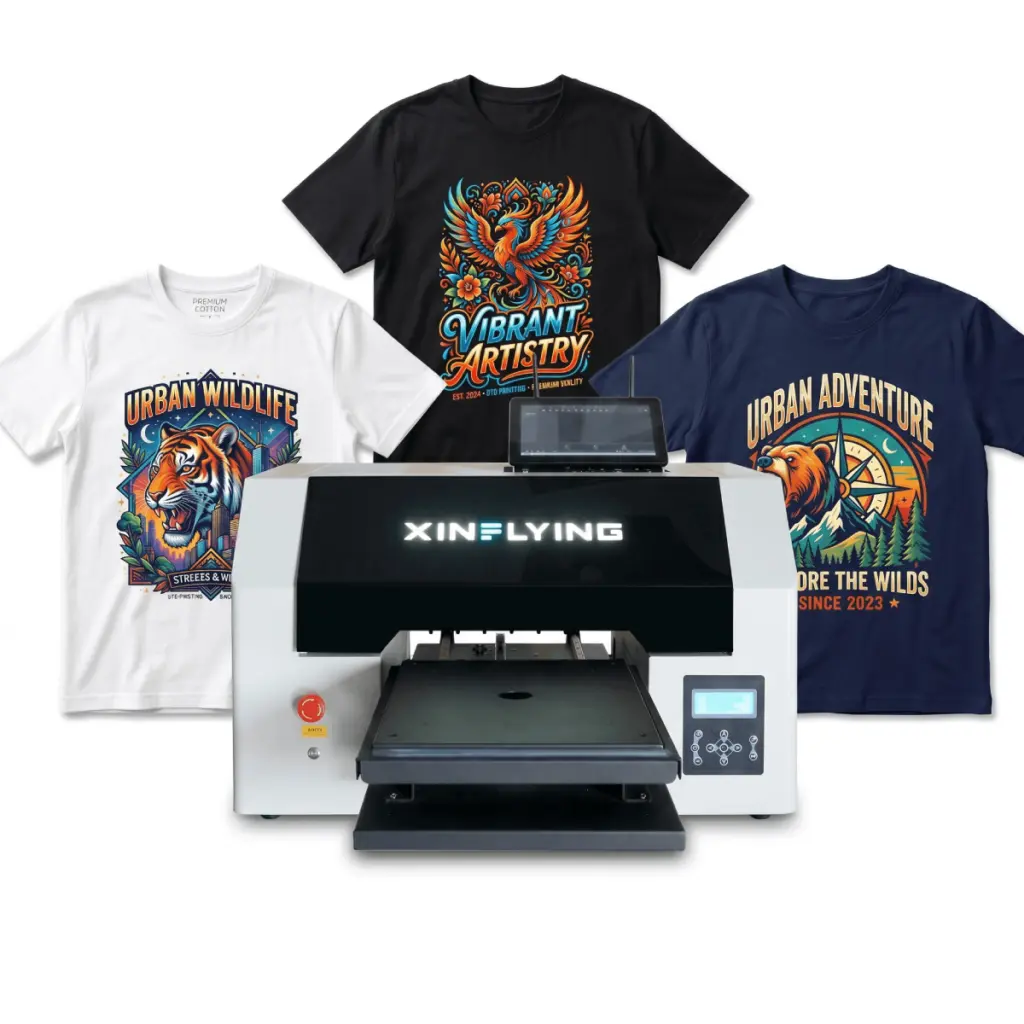
Megztiniai ir megztiniai
Heavyweight cotton and cotton-blend hoodies are excellent for DTG. The larger print area is ideal for bold graphics and all-over style placement. Note that the chest print area must be smooth and flat during printing.
Nešiojami krepšiai
Canvas and cotton tote bags are a natural fit for DTG. They’re popular for retail merchandise, event giveaways, and branded promotional products.
Baby and Kids’ Drabužiai
DTG’s water-based inks are CPSIA-compliant and skin-safe, making them an excellent choice for onesies, toddler tees, and children’s garments. No cracking or peeling means safer wear for sensitive skin.
Pillowcases and Home Textiles
Cotton pillowcases, prijuostės, and tea towels all print beautifully with DTG. These have become popular product lines for Etsy sellers and home goods brands.
| ✅ Great DTG Products: T-shirts • Hoodies • Tote bags • Baby onesies • Pillowcases • Aprons • Long-sleeve tees • Tank tops • Sweatpants (medvilnė) |
What NOT to Print With DTG
Understanding DTG’s limitations saves you from costly errors. Avoid the following:
- 100% poliesteris: Poor ink absorption leads to dull, faded results. Use sublimation or DTF instead.
- Nylon and spandex: These synthetics don’t absorb water-based inks at all.
- Waterproof or treated fabrics: Coatings block ink penetration entirely.
- Very textured or ribbed fabrics: Uneven surfaces cause inconsistent ink coverage.
- Dark polyester blends (below 50% medvilnė): The print may look washed out even with underbase.
| ⚠️ Avoid for DTG: 100% polyester • Nylon • Spandex/Lycra • Waterproof outerwear • Heavily textured knits • Coated or treated fabrics |
Pro Tips for Better DTG Results
- Always pretreat dark garments: Proper pretreatment solution ensures the white underbase adheres correctly and colors pop.
- Pre-wash new garments: Removes manufacturing residues that can interfere with ink absorption.
- Use ring-spun cotton: Smoother fiber surface = sharper print detail.
- Heat cure properly: Press at the correct temperature and dwell time (typically 320°F / 160°C for 90 sekundžių) to lock in the ink.
- Design at 300 DPI minimum: DTG can reproduce fine detail — make sure your artwork is high resolution.
- Avoid dark-on-dark designs: Even with white underbase, very dark design colors on dark shirts can lose contrast.
Dažnai užduodami klausimai
Can DTG print on 100% polyester shirts?
Technically yes, but results are poor. Polyester repels water-based inks, producing dull, išblukusios spalvos. For polyester garments, sublimation printing or DTF (tiesiogiai į filmą) transfers are far better options.
Does fabric color affect DTG print quality?
Taip. On white and light-colored garments, DTG inks go directly onto the fabric for vibrant results. On dark garments, a white underbase ink layer is printed first — this adds a step but still produces excellent quality when done correctly.
How do I care for DTG-printed garments?
Wash inside out in cold water on a gentle cycle. Avoid bleach and high-heat drying. Air drying or low-heat tumble dry extends print life significantly. Well-cared-for DTG prints can last 50+ wash cycles.
Is DTG printing suitable for thick or heavy fabrics?
DTG works fine on heavier-weight garments (up to ~14 oz / 400 gsm) as long as the fabric is cotton-based and the platen can hold the garment flat. Very thick or structured items may require special platens.
Paskutinės mintys
DTG printing delivers exceptional results on the right materials — particularly 100% cotton and high-cotton blends. Choosing the right fabric is the single biggest factor in print quality, ilgaamžiškumas, and customer satisfaction.
„Xinflying“., we help North American apparel brands, spaustuvės, and e-commerce sellers get the most from DTG. Nesvarbu, ar spausdinate 1 shirt or 1,000, we have the expertise and equipment to deliver professional results every time.
| Get a DTG Quote: Contact Xinflying for custom DTG printing services. Fast turnaround, no minimums, and expert color matching guaranteed. |