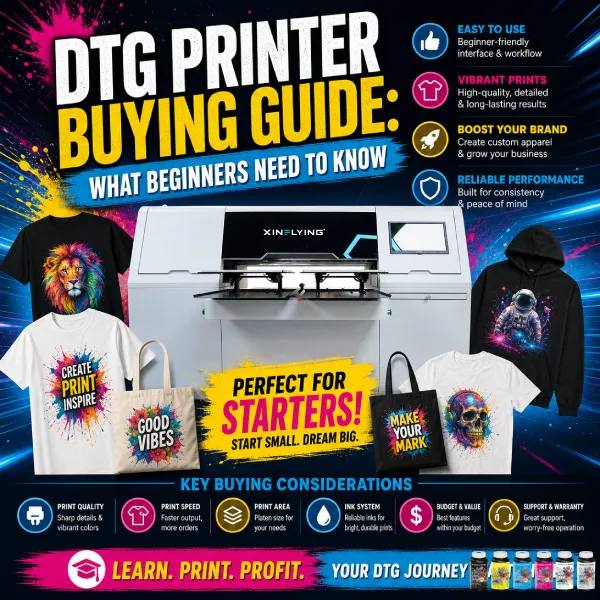
Trực tiếp để mặc (DTG) in ấn đã thay đổi ngành may mặc tùy chỉnh. Với khả năng sản xuất đầy đủ màu sắc, in ảnh thực tế không có mức tối thiểu, đó là giải pháp phù hợp cho người bán hàng thương mại điện tử, doanh nghiệp in theo yêu cầu, và chủ sở hữu thương hiệu như nhau.
Nhưng DTG không phải là giải pháp phù hợp cho tất cả. Chất lượng bản in của bạn phụ thuộc rất nhiều vào những gì bạn đang in. Trong hướng dẫn này, chúng tôi đề cập chính xác loại vải và sản phẩm nào lý tưởng cho DTG - và những loại vải và sản phẩm nào nên tránh.
| Trong bài viết này: Cách in DTG hoạt động • Các loại vải tốt nhất cho DTG • Các sản phẩm vượt trội với DTG • Các loại vải và sản phẩm cần tránh • Mẹo chuyên nghiệp để có kết quả DTG tốt hơn • Câu hỏi thường gặp |
Cách thức hoạt động của in DTG (Tổng quan nhanh)
In DTG hoạt động giống như máy in phun có độ chính xác cao - nhưng thay vì giấy, nó in trực tiếp lên vải bằng mực dệt gốc nước. Đối với quần áo tối màu, lớp nền mực trắng được áp dụng trước tiên để đảm bảo độ chính xác và độ sống động của màu sắc.
Chìa khóa để tạo ra sản phẩm DTG tuyệt vời nằm ở khả năng thấm mực của vải. Sợi tự nhiên - đặc biệt là bông - hấp thụ mực gốc nước tốt hơn nhiều so với vật liệu tổng hợp, đó là lý do tại sao việc lựa chọn vải lại rất quan trọng.
Loại vải tốt nhất để in DTG
1. 100% Bông - Tiêu chuẩn vàng
Nếu bạn muốn có kết quả DTG tuyệt đối tốt nhất, 100% bông là câu trả lời của bạn. Sợi tự nhiên của cotton thấm sâu và đều mực gốc nước, tạo ra màu sắc rực rỡ, chi tiết sắc nét, và cảm giác tay mềm mại. Chất liệu cotton dạng vòng mang lại cảm giác đặc biệt mịn màng, kết quả chuyên nghiệp.
- Bông trắng và sáng màu: sự sống động tuyệt vời, không cần lớp nền trắng.
- Bông tối màu: kết quả tuyệt vời với tiền xử lý nền trắng.
- Trang phục lý tưởng: Áo phông, áo hoodie, túi tote, áo liền quần, áo thun dài tay.
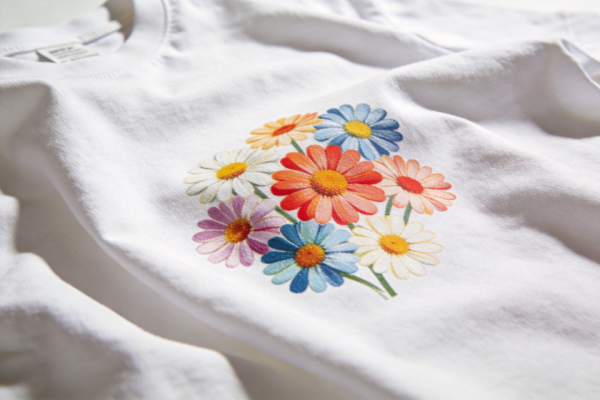
2. Hỗn hợp bông/Polyester
Vải pha trộn hoạt động tốt với DTG, đặc biệt là những loại có hàm lượng bông cao (65% hoặc hơn). Sợi bông thấm mực, trong khi polyester tăng thêm độ bền và cấu trúc. Tỷ lệ polyester càng cao, bản in có thể xuất hiện càng bị tắt tiếng hoặc nóng hơn.
- 50/50 trộn: kết quả tốt, độ bão hòa màu mềm hơn một chút.
- 65/35 bông/poly: gần tương đương với 100% hiệu suất bông.
- Hỗn hợp ba lần (bông/poly/rayon): phổ biến trong thời trang tees; sản xuất một cổ điển, in ấn mềm mại.
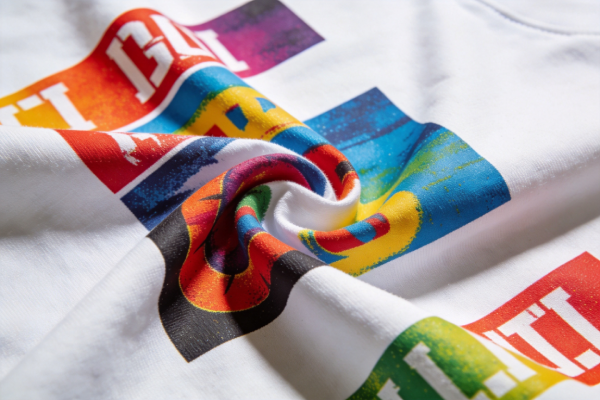
3. Vải lanh và cây gai dầu
Các loại sợi có nguồn gốc thực vật tự nhiên như vải lanh và cây gai dầu là những ứng cử viên xuất sắc cho DTG. Độ xốp của chúng, Cấu trúc thấm hút giữ mực tốt. Vải lanh có bề mặt hơi kết cấu, mang lại cho bản in một sự tự nhiên, thẩm mỹ thủ công - được thiết kế cho nhiều bộ nhận diện thương hiệu.
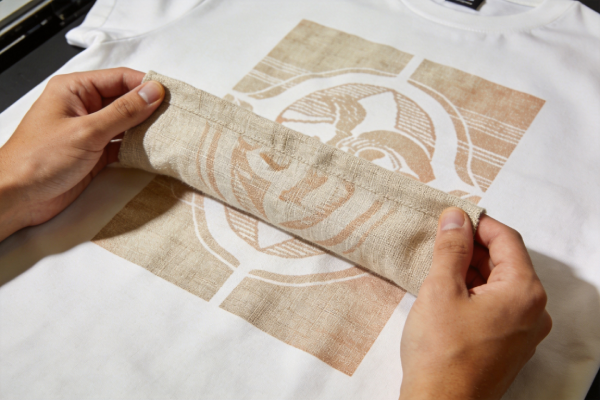
4. Tre và Modal
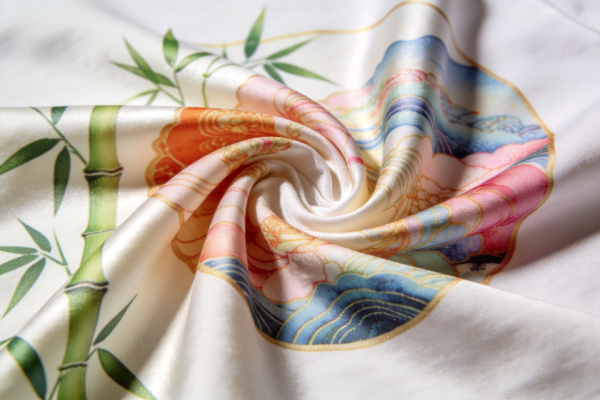
Vải tre và vải modal (cả bán tổng hợp từ các nguồn tự nhiên) có thể tạo ra các bản in DTG đẹp, đặc biệt là trên các màu sáng hơn. Chúng phổ biến trong các dòng quần áo cao cấp vì sự mềm mại của chúng. Có thể cần phải xử lý trước đối với quần áo tối màu.
Sơ lược về khả năng tương thích của vải DTG
| Vải vóc | Khả năng tương thích DTG | Màu sắc sống động | Ghi chú |
| 100% Bông | ✅ Tuyệt vời | ⭐⭐⭐⭐⭐ | Kết quả tốt nhất; tiêu chuẩn vàng cho DTG |
| Hỗn hợp bông/poly | ✅ Tốt | ⭐⭐⭐⭐ | 65%+ bông khuyến khích |
| 100% Polyester | ⚠️ Có giới hạn | ⭐⭐ | Cần tiền xử lý; thăng hoa tốt hơn |
| Lanh / cây gai dầu | ✅ Tốt | ⭐⭐⭐⭐ | Sợi tự nhiên thấm mực tốt |
| Cây tre / phương thức | ✅ Tốt | ⭐⭐⭐⭐ | Cảm giác tay mềm mại; hoạt động với tiền xử lý |
| Nylon / rayon | ❌ Không khuyến khích | ⭐ | Khả năng hấp thụ mực kém; tránh xa |
Sản phẩm tốt nhất cho in DTG
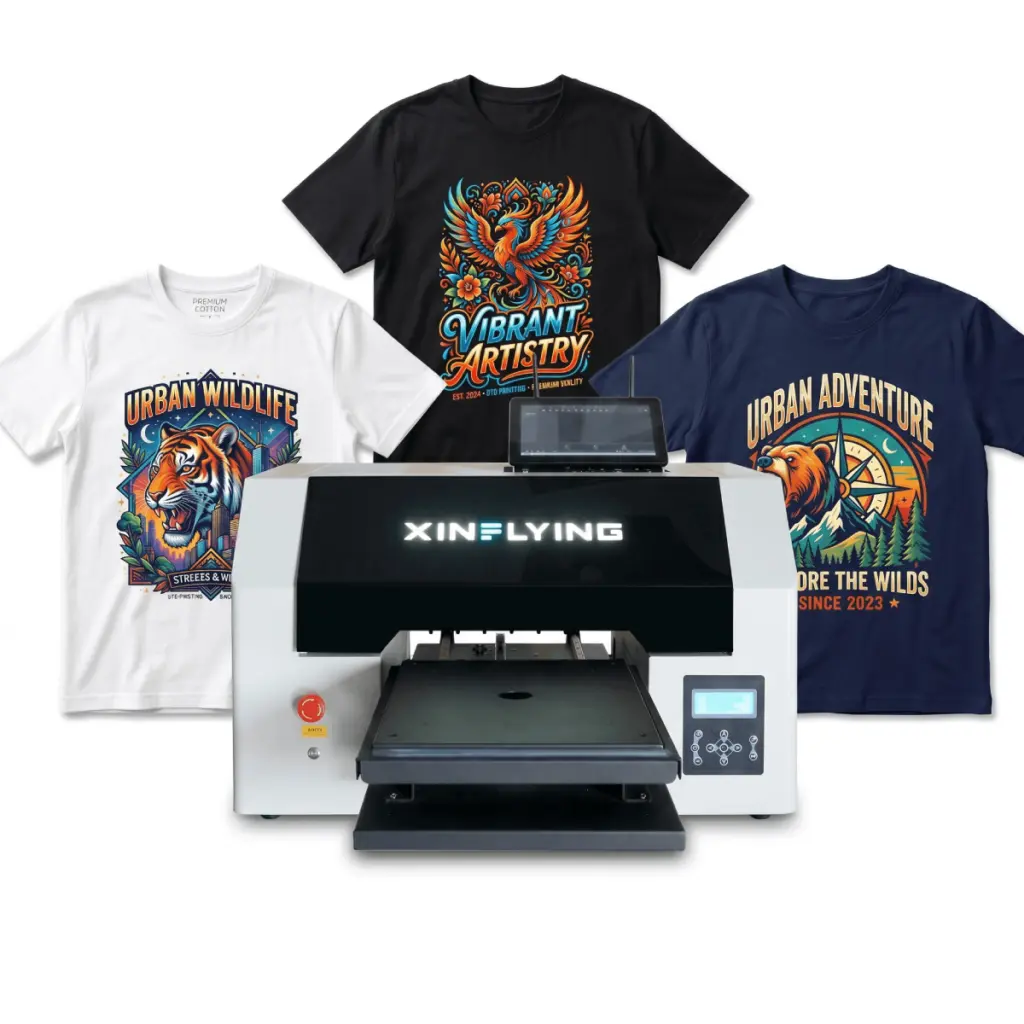
Áo thun
Cổ điển sản phẩm DTG. Cổ tròn và cổ chữ V bằng vải cotton với mọi màu sắc đều phù hợp hoàn hảo với DTG. Các thương hiệu nổi tiếng như Bella+Canvas 3001, Cấp độ tiếp theo 3600, và Gildan 64000 là những sản phẩm được yêu thích trong ngành cho đầu ra DTG.
Áo hoodie và áo nỉ
Áo hoodie chất liệu cotton dày dặn và pha cotton là sự lựa chọn tuyệt vời cho DTG. Vùng in lớn hơn lý tưởng cho đồ họa đậm nét và vị trí phong cách tổng thể. Lưu ý vùng in ngực phải nhẵn và phẳng trong quá trình in.
Túi Tote
Túi tote vải và cotton rất phù hợp với DTG. Chúng phổ biến với hàng hóa bán lẻ, quà tặng sự kiện, và các sản phẩm khuyến mại có thương hiệu.
Em bé và Trẻ em’ Trang phục
Mực gốc nước của DTG tuân thủ CPSIA và an toàn cho da, khiến chúng trở thành sự lựa chọn tuyệt vời cho những bộ đồ liền thân, áo phông cho trẻ mới biết đi, và quần áo trẻ em. Không bị nứt hoặc bong tróc có nghĩa là sử dụng an toàn hơn cho làn da nhạy cảm.
Vỏ gối và đồ dệt gia dụng
Vỏ gối bông, tạp dề, và khăn trà đều được in đẹp bằng DTG. Đây đã trở thành dòng sản phẩm phổ biến cho người bán Etsy và các thương hiệu hàng gia dụng.
| ✅ Sản phẩm DTG tuyệt vời: Áo thun • Áo hoodie • Túi tote • Áo liền quần trẻ em • Vỏ gối • Tạp dề • Áo thun dài tay • Áo ba lỗ • Quần thể thao (bông) |
Những gì KHÔNG nên in bằng DTG
Hiểu được những hạn chế của DTG giúp bạn tránh khỏi những sai sót tốn kém. Tránh những điều sau đây:
- 100% polyester: Khả năng hấp thụ mực kém dẫn đến xỉn màu, kết quả bị mờ. Thay vào đó hãy sử dụng thăng hoa hoặc DTF.
- Nylon và vải thun: Những chất tổng hợp này hoàn toàn không hấp thụ mực gốc nước.
- Vải không thấm nước hoặc được xử lý: Lớp phủ ngăn chặn hoàn toàn sự xâm nhập của mực.
- Vải có nhiều họa tiết hoặc có gân: Bề mặt không bằng phẳng gây ra độ phủ mực không nhất quán.
- Hỗn hợp polyester tối màu (dưới 50% bông): Bản in có thể bị nhòe ngay cả khi có lớp lót bên dưới.
| ⚠️ Tránh xa DTG: 100% polyester • Nylon • Spandex/Lycra • Áo khoác ngoài không thấm nước • Vải dệt kim có họa tiết nặng • Vải được tráng hoặc xử lý |
Lời khuyên chuyên nghiệp để có kết quả DTG tốt hơn
- Luôn xử lý trước quần áo tối màu: Giải pháp tiền xử lý thích hợp đảm bảo lớp nền màu trắng bám dính chính xác và màu sắc nổi bật.
- Giặt trước quần áo mới: Loại bỏ cặn sản xuất có thể cản trở sự hấp thụ mực.
- Sử dụng bông tròn: Bề mặt sợi mịn hơn = chi tiết in sắc nét hơn.
- Chữa nhiệt đúng cách: Nhấn ở nhiệt độ và thời gian dừng chính xác (thường là 320°F / 160°C cho 90 giây) để khóa mực.
- Thiết kế tại 300 dpi tối thiểu: DTG có thể tái tạo chi tiết đẹp - đảm bảo tác phẩm nghệ thuật của bạn có độ phân giải cao.
- Tránh các thiết kế tối màu: Kể cả với lớp nền trắng, Màu sắc thiết kế quá tối trên áo sơ mi tối màu có thể làm mất độ tương phản.
Câu hỏi thường gặp
DTG có thể in trên 100% áo sơ mi polyester?
Về mặt kỹ thuật thì có, nhưng kết quả kém. Polyester đẩy lùi mực gốc nước, sản xuất buồn tẻ, màu sắc nhạt dần. Đối với hàng may mặc polyester, in thăng hoa hoặc DTF (trực tiếp lên phim) chuyển khoản là lựa chọn tốt hơn nhiều.
Màu vải có ảnh hưởng đến chất lượng in DTG không?
Đúng. Trên quần áo màu trắng và sáng màu, Mực DTG thấm trực tiếp lên vải để mang lại kết quả sống động. Trên quần áo tối màu, lớp mực nền màu trắng được in đầu tiên — việc này thêm một bước nhưng vẫn tạo ra chất lượng tuyệt vời khi được thực hiện chính xác.
Làm cách nào để chăm sóc quần áo in DTG?
Giặt từ trong ra ngoài bằng nước lạnh theo chu kỳ nhẹ nhàng. Tránh tẩy và sấy khô ở nhiệt độ cao. Sấy bằng không khí hoặc sấy khô ở nhiệt độ thấp giúp kéo dài tuổi thọ của bản in một cách đáng kể. Bản in DTG được chăm sóc tốt có thể tồn tại lâu dài 50+ chu trình giặt.
In DTG có phù hợp với vải dày hoặc nặng không??
DTG hoạt động tốt trên các loại quần áo có trọng lượng nặng hơn (lên tới ~ 14 oz / 400 gsm) miễn là vải làm từ cotton và trục lăn có thể giữ phẳng quần áo. Các mặt hàng rất dày hoặc có cấu trúc có thể yêu cầu các tấm ép đặc biệt.
suy nghĩ cuối cùng
In DTG mang lại kết quả đặc biệt trên vật liệu phù hợp - đặc biệt 100% hỗn hợp cotton và cotton cao cấp. Chọn vải phù hợp là yếu tố lớn nhất quyết định chất lượng in, Độ bền, và sự hài lòng của khách hàng.
Tại Xinflying, chúng tôi giúp các thương hiệu may mặc Bắc Mỹ, cửa hàng in ấn, và người bán thương mại điện tử được hưởng lợi nhiều nhất từ DTG. Cho dù bạn đang in 1 áo sơ mi hoặc 1,000, chúng tôi có chuyên môn và thiết bị để mang lại kết quả chuyên nghiệp mọi lúc.
| Nhận báo giá DTG: Liên hệ Xinflying cho các dịch vụ in DTG tùy chỉnh. Quay vòng nhanh, từ mức tối thiểu, và đảm bảo kết hợp màu sắc chuyên nghiệp. |