การแนะนำ
DTF printing has become one of the fastest-growing technologies in the digital textile printing industry. With the increasing demand for personalized apparel and print-on-demand production, more businesses are choosing DTF printers as a flexible and cost-effective solution.
Market Demand for Custom Apparel
The global custom apparel market continues to grow as consumers increasingly prefer personalized clothing. DTF printing allows businesses to produce customized T-shirts, เสื้อฮู้ด, ถุงสิริ, and promotional products with vibrant colors and strong durability.
Compared with traditional screen printing, DTF printing reduces setup time and supports small batch production. This makes DTF printers particularly suitable for startups and online print shops.
Technology Development in DTF Printing
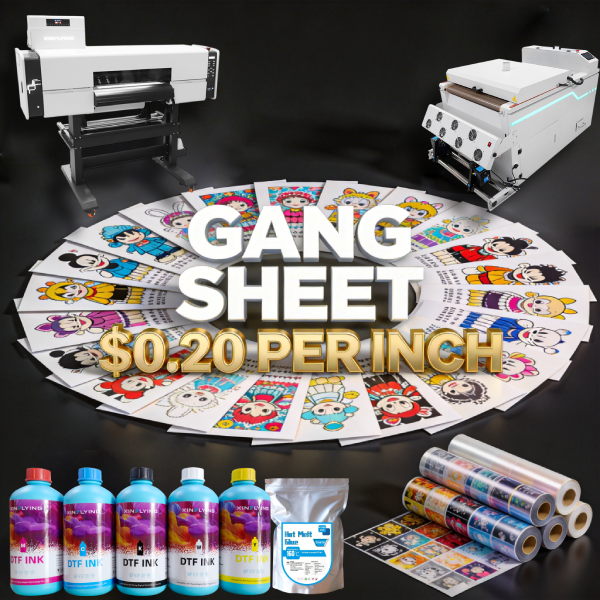
Recent improvements in หมึกดีทีเอฟ, ฟิล์มพีอีที, และ ผงกาว have enhanced wash resistance and color performance. Modern เครื่องพิมพ์ดีทีเอฟ also integrate advanced printheads and RIP software, improving printing speed and consistency.
Automation features simplify the workflow, allowing operators to complete DTF printing processes efficiently.
Expanding Application Areas
DTF printing is widely used for:
- การพิมพ์เครื่องแต่งกายที่กำหนดเอง
- promotional product decoration
- uniform printing
- fashion brand production
- print-on-demand business
Future Outlook
As demand for customized products continues to grow, DTF printing is expected to play an increasingly important role in digital textile printing. Its flexibility and efficiency make it a key technology for businesses seeking scalable production solutions.