การเลือกเทคโนโลยีการพิมพ์ที่เหมาะสมถือเป็นสิ่งสำคัญสำหรับการดำเนินธุรกิจการพิมพ์ที่ทำกำไร. เนื่องจากการพิมพ์ตามต้องการยังคงเติบโตอย่างต่อเนื่อง, ธุรกิจหลายพันรายสร้างรายได้จำนวนมากโดยการเลือกอุปกรณ์ที่เหมาะสมตั้งแต่เริ่มต้น.
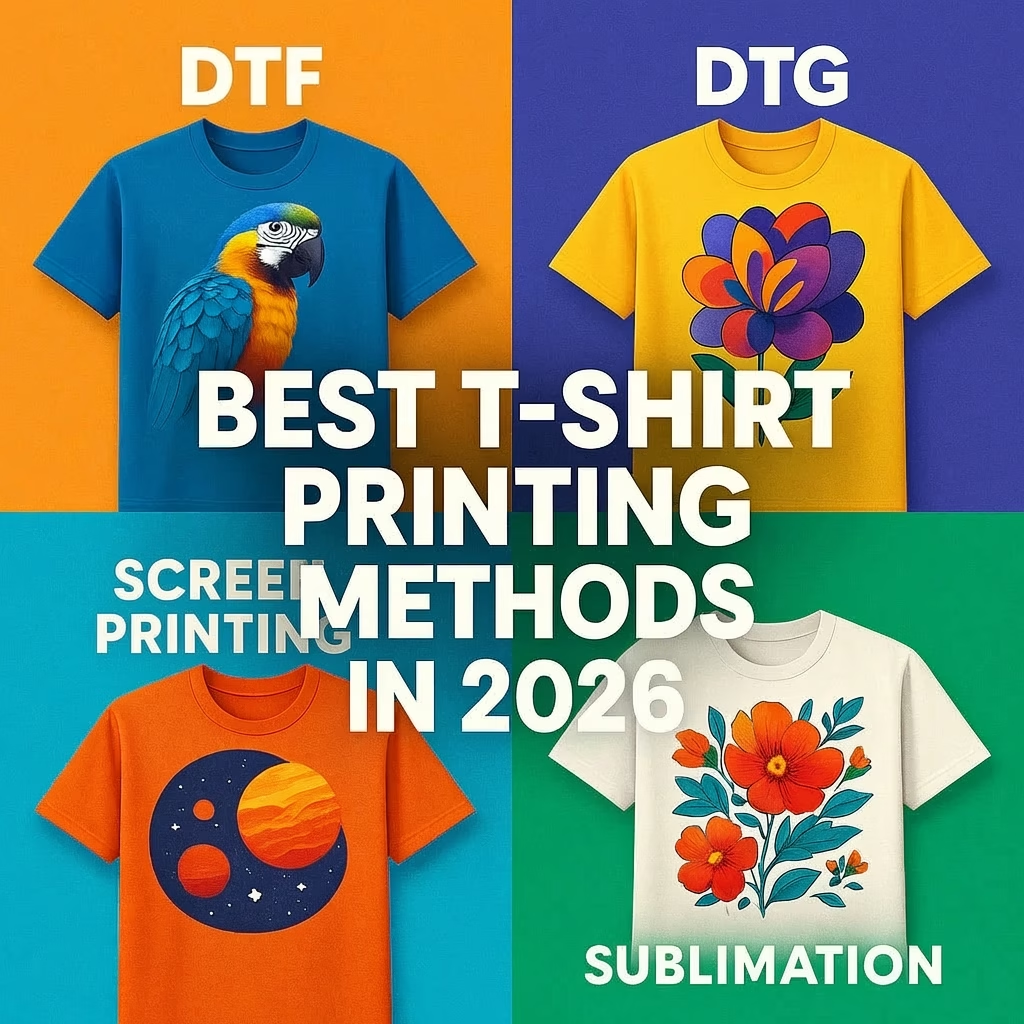
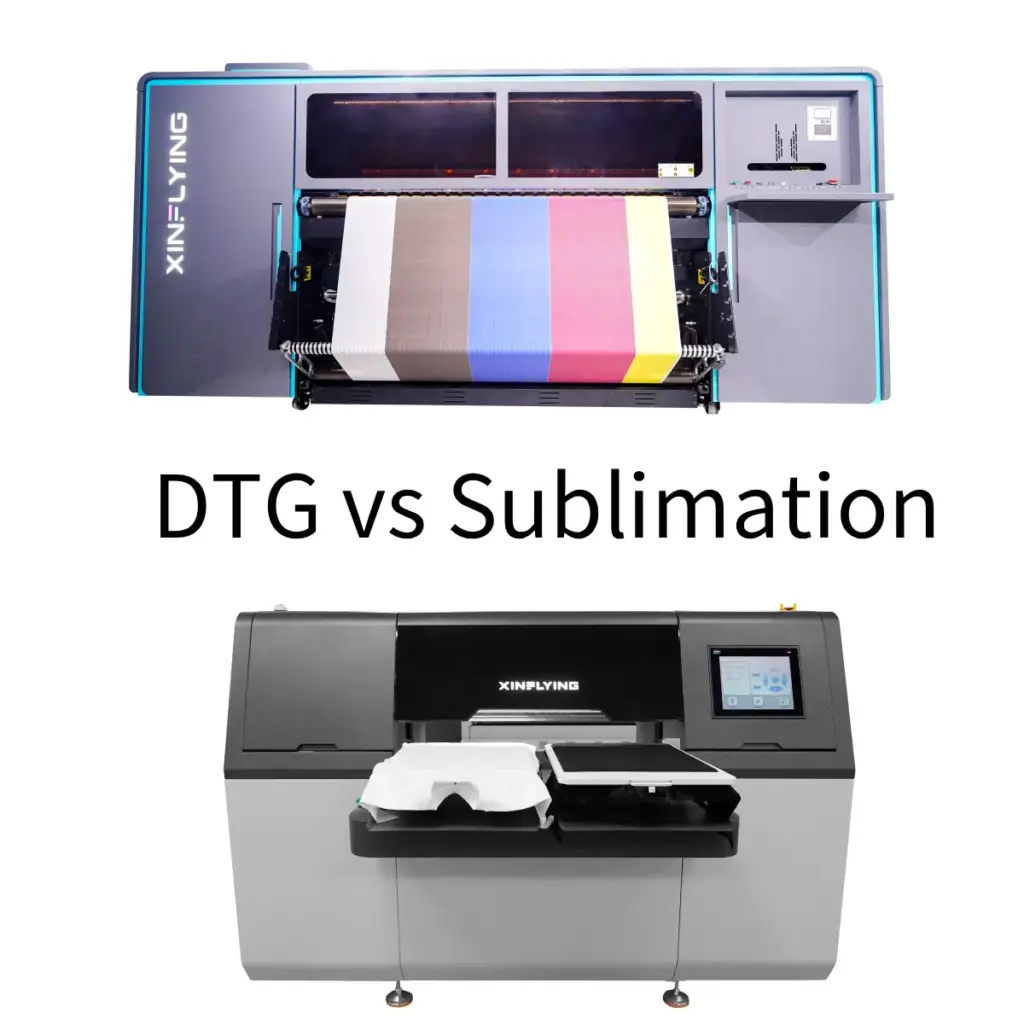
ในบรรดาเทคโนโลยีที่มีการถกเถียงกันมากที่สุด ได้แก่ การพิมพ์ระเหิด และ ดีทีจี (ตรงไปตรงมา) การพิมพ์. ทั้งสองมีชื่อเสียงในด้านคุณภาพการพิมพ์ที่ยอดเยี่ยม, แต่แต่ละแห่งใช้วัสดุที่แตกต่างกัน, เวิร์กโฟลว์, และความต้องการทางธุรกิจ. ดังนั้น, ตัวเลือกใดดีที่สุดสำหรับเป้าหมายการพิมพ์ของคุณ?
คู่มือนี้จะแจกแจงความแตกต่างระหว่างคุณภาพการพิมพ์แบบระเหิดและ DTG, ค่าใช้จ่าย, ความเข้ากันได้, ความทนทาน, และอื่นๆ อีกมากมาย เพื่อให้คุณสามารถตัดสินใจได้ในระยะยาวโดยมีข้อมูลครบถ้วน.
การพิมพ์ระเหิดคืออะไร?
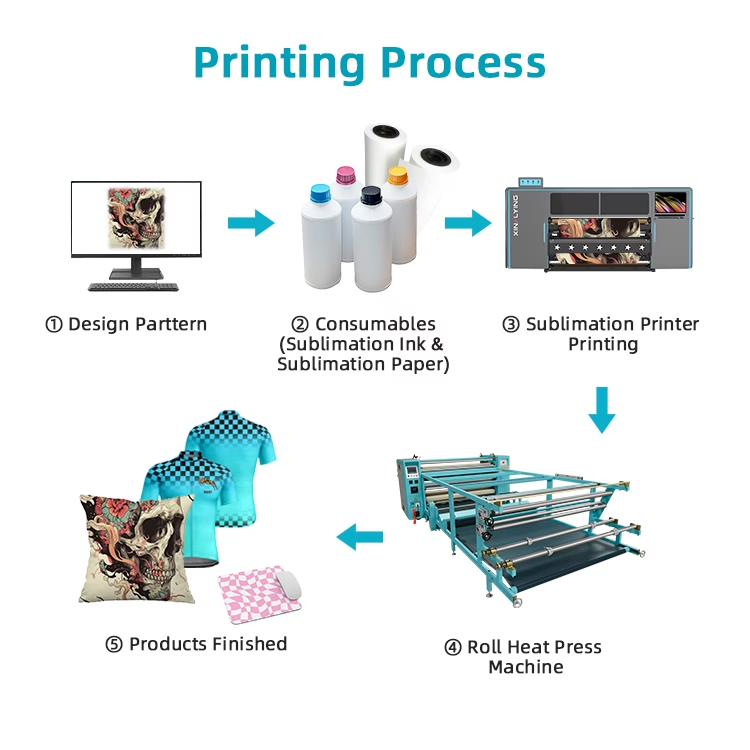
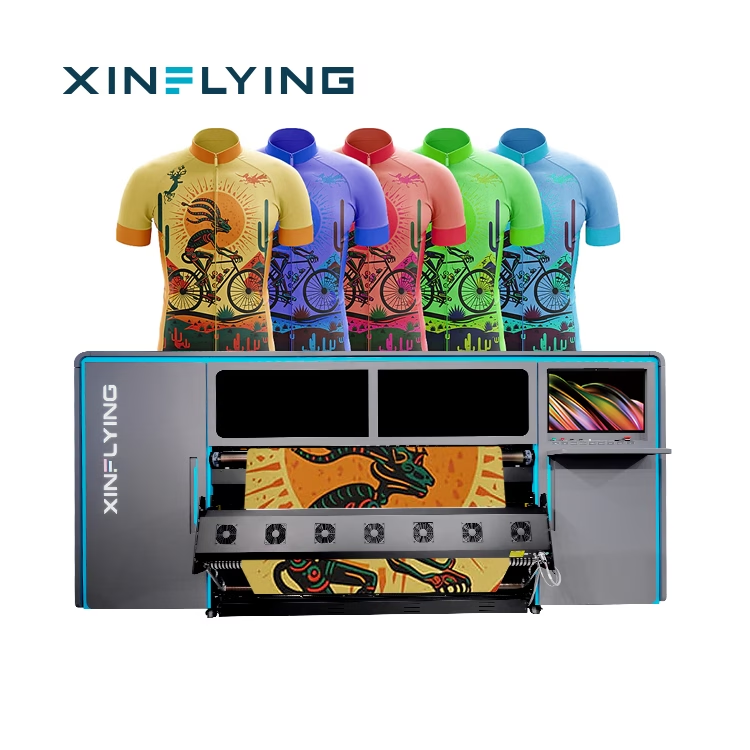
การพิมพ์แบบระเหิดใช้ความร้อนและความดันที่ควบคุมเพื่อเปลี่ยนสีย้อมที่เป็นของแข็งให้เป็นก๊าซ, เชื่อมเข้ากับเส้นใยโพลีเอสเตอร์หรือพื้นผิวเคลือบโพลีเมอร์โดยตรง. กระบวนการนี้เริ่มต้นด้วยเครื่องพิมพ์ระเหิดที่พิมพ์การออกแบบลงบนกระดาษระเหิดพิเศษโดยใช้หมึกระเหิด.
เพราะหมึกจะฟิวส์กับวัสดุ, ลายพิมพ์จะกลายเป็นส่วนหนึ่งของเนื้อผ้า ซึ่งหมายความว่าผ้าจะไม่แตก, ปอก, หรือจางหายไป. การระเหิดเหมาะอย่างยิ่งสำหรับผลิตภัณฑ์ส่งเสริมการขาย, ชุดกีฬา, และสิ่งทอแบบพิมพ์ตามต้องการ.
การพิมพ์แบบระเหิดทำงานอย่างไร
- สร้างการออกแบบ โดยใช้ซอฟต์แวร์ออกแบบกราฟิก.
- พิมพ์งานศิลปะที่มิเรอร์ ลงบนกระดาษซับลิเมชั่นโดยใช้หมึกซับลิเมชั่น.
- วางตำแหน่งกระดาษ บนผลิตภัณฑ์แล้วยึดด้วยเทปกันความร้อน.
- ใช้ความร้อนและแรงกด โดยใช้เครื่องรีดความร้อน ซึ่งจะเปลี่ยนหมึกให้เป็นก๊าซและยึดติดกับวัสดุอย่างถาวร.
- ปล่อยให้ผลิตภัณฑ์เย็นลง, แล้วลอกกระดาษออกให้เห็นถาวร, พิมพ์ที่มีชีวิตชีวา.
ข้อดีของการระเหิด
- ให้ความสดใส, สีติดทนนาน
- หมึกจะกลายเป็นส่วนหนึ่งของเนื้อผ้า ไม่แตกร้าวหรือหลุดลอก
- เรียบ, เสร็จสิ้นอย่างราบรื่นโดยไม่มีพื้นผิวยกขึ้น
- เหมาะสำหรับการถ่ายภาพและการออกแบบสีเต็มรูปแบบ
- ใช้งานได้กับผลิตภัณฑ์มากมาย: แก้ว, แก้วน้ำ, เครื่องแต่งกาย, การตกแต่ง, ฯลฯ.
ข้อเสียของการระเหิด
- ใช้ได้กับผ้าโพลีเอสเตอร์หรือวัสดุเคลือบโพลีเมอร์เท่านั้น
- ไม่ทำงานบน 100% ฝ้าย
- จำกัดเฉพาะวัสดุสีอ่อนหรือสีขาว
- อุปกรณ์และวัสดุสิ้นเปลืองอาจมีค่าใช้จ่ายสูง
- ความเร็วในการผลิตอาจช้าลงเนื่องจากขั้นตอนการถ่ายเทความร้อน
การพิมพ์ DTG คืออะไร?
ดีทีจี (ตรงสู่การ์เม้นท์) ฟังก์ชั่นการพิมพ์เหมือนกับเครื่องพิมพ์อิงค์เจ็ท, แต่พิมพ์ลงบนผ้าโดยตรง. หมึกจะเกาะติดกับเสื้อผ้าที่ผ่านการบำบัดแล้วเพื่อสร้างรายละเอียดสูง, ลายพิมพ์อ่อน. DTG เหมาะสำหรับการออกแบบที่ซับซ้อน, พิมพ์ภาพถ่าย, และคำสั่งซื้อชุดเล็ก.
แตกต่างจากการระเหิด, DTG ทำงานได้ดีที่สุดกับเส้นใยธรรมชาติ โดยเฉพาะผ้าฝ้าย.
การพิมพ์ DTG ทำงานอย่างไร
- ดูแลรักษาเสื้อผ้าล่วงหน้า เพื่อให้แน่ใจว่าการยึดเกาะของหมึกเหมาะสม.
- เตรียมงานศิลปะ โดยใช้ซอฟต์แวร์การออกแบบหรือ RIP.
- พิมพ์ลงบนเสื้อผ้าโดยตรง โดยใช้หมึกสีขาวและสี.
- รักษาหมึก โดยใช้เครื่องรีดความร้อนหรือเครื่องบ่มในตัว.
- สินค้าชิ้นสุดท้าย พร้อมด้วยความนุ่มนวล, พิมพ์รายละเอียด.

ข้อดีของการพิมพ์ DTG
- เหมาะสำหรับผ้าฝ้ายและเส้นใยธรรมชาติ
- มีรายละเอียดสูง, ลายพิมพ์สีสันสดใส แม้กระทั่งบนเสื้อผ้าสีเข้ม
- การผลิตที่รวดเร็วและขั้นตอนการทำงานที่เรียบง่าย
- เหมาะสำหรับสั่งจำนวนน้อยหรือสั่งทำพิเศษ
ข้อเสียของการพิมพ์ DTG
- ลายพิมพ์อยู่บนพื้นผิวผ้าและอาจซีดจางเมื่อเวลาผ่านไป
- ต้องมีการเตรียมผ้าล่วงหน้า
- ทนทานน้อยกว่าเมื่อเทียบกับการระเหิดบนโพลีเอสเตอร์
- สีอาจจะดูสดใสน้อยลงบนผ้าสีเข้มหรือมีพื้นผิวหนาแน่น
ดีทีจี vs. การระเหิด: ความแตกต่างที่สำคัญ
1. ความเข้ากันได้ของผ้า
- การระเหิด: โพลีเอสเตอร์, โพลีผสม, ผลิตภัณฑ์เคลือบโพลีเมอร์
- ดีทีจี: ผ้าฝ้ายและผ้าฝ้ายผสม
2. คุณภาพการพิมพ์
- การระเหิด: มีชีวิตชีวาเป็นพิเศษ, เรียบ, และซึมเข้าสู่วัสดุอย่างถาวร
- ดีทีจี: มีรายละเอียดสูงแต่อาจดูไม่สดใสบนเสื้อผ้าสีเข้มหรือมีพื้นผิว
3. ค่าติดตั้ง
- ดีทีจี: การลงทุนเริ่มแรกที่สูงขึ้นแต่ต้นทุนสิ้นเปลืองที่เกิดซ้ำน้อยลง
- การระเหิด: ลดต้นทุนอุปกรณ์แต่ต้องใช้หมึกระเหิด & กระดาษในระยะยาว
4. ค่าใช้จ่ายในการดำเนินการ
- ดีทีจี: $0.50–$3.50 ต่อการพิมพ์ ขึ้นอยู่กับสีและความซับซ้อน
- การระเหิด: คุ้มค่ากว่าสำหรับการพิมพ์จำนวนมากและงานพิมพ์ทั่วๆ ไป
5. ความเร็วในการผลิต
- ดีทีจี: เร็วกว่าสำหรับเสื้อผ้าสำเร็จรูป, แต่ต้องได้รับการบำบัดล่วงหน้า
- การระเหิด: การพิมพ์ที่รวดเร็วแต่ขั้นตอนการทำงานยาวนานขึ้นสำหรับการออกแบบผ้าแบบเต็มตัว
6. ความทนทาน
- การระเหิด: ทนทานเป็นพิเศษ—กลายเป็นส่วนหนึ่งของเนื้อผ้า
- ดีทีจี: คุณภาพดี แต่อาจจางหรือแตกเมื่อเวลาผ่านไป
7. ผลกระทบต่อสิ่งแวดล้อม
- ดีทีจี: ใช้หมึกสูตรน้ำ, เป็นมิตรกับสิ่งแวดล้อม; การรักษาล่วงหน้าจะแตกต่างกันไป
- การระเหิด: สีย้อมสูตรน้ำแต่ต้องใช้พลังงานสูงในการรีดความร้อน
| หมวดหมู่ | การพิมพ์ DTG | การพิมพ์ระเหิด |
|---|---|---|
| ความเข้ากันได้ของวัสดุ | ดีที่สุดสำหรับ 100% ฝ้าย & เส้นใยธรรมชาติ | ใช้งานได้กับสิ่งของที่เคลือบด้วยโพลีเอสเตอร์หรือโพลีเมอร์เท่านั้น |
| คุณภาพการพิมพ์ | รายละเอียดสูง; เหมาะสำหรับการออกแบบที่ซับซ้อน | มีชีวิตชีวาสุดๆ; เหมือนภาพถ่ายจริงบนโพลีเอสเตอร์ |
| ค่าติดตั้ง | การลงทุนเริ่มแรกที่สูงขึ้น | ต้นทุนการติดตั้งที่ต่ำกว่า |
| ค่าใช้จ่ายในการดำเนินการ | ต้นทุนต่อการพิมพ์ที่สูงขึ้น (หมึก + การปรับสภาพ) | ลดต้นทุนต่อการพิมพ์, โดยเฉพาะอย่างยิ่งสำหรับสินค้าจำนวนมาก |
| ความเร็วในการผลิต | รวดเร็วสำหรับการสั่งซื้อขนาดเล็ก; จำเป็นต้องมีการปรับสภาพก่อน | พิมพ์เร็ว; ช้าลงเพื่อการผลิตผ้าเต็มรูปแบบ |
| ความทนทาน | ดี, แต่อาจจาง/ลอกเมื่อเวลาผ่านไปได้ | ยอดเยี่ยม; หลอมรวมเป็นเส้นใย, จะไม่แตก |
| ผลกระทบต่อสิ่งแวดล้อม | หมึกสูตรน้ำแต่เกี่ยวข้องกับสารเคมีปรับสภาพก่อน | หมึกที่เป็นมิตรกับสิ่งแวดล้อม; ขึ้นอยู่กับการใช้พลังงานความร้อน |
| ดีที่สุดสำหรับ | คำสั่งซื้อขนาดเล็ก-กลาง, เครื่องแต่งกายผ้าฝ้าย, งานศิลปะที่มีรายละเอียด | คำสั่งซื้อจำนวนมาก, เสื้อผ้าโพลีเอสเตอร์, ชุดกีฬา, รายการส่งเสริมการขาย |
ควรเลือก DTG หรือ Sublimation?
เลือก DTG ถ้า:
- คุณทำงานกับ 100% ฝ้าย
- คุณต้องการ การออกแบบที่มีรายละเอียดสูงหรือมีสีสัน
- คุณจัดการ คำสั่งซื้อขนาดเล็กหรือแบบกำหนดเอง
- คุณชอบ การตั้งค่าขั้นต่ำ และการผลิตที่รวดเร็ว
เลือกการระเหิดถ้า:
- คุณพิมพ์บน ผ้าโพลีเอสเตอร์หรือผ้าใยสังเคราะห์
- คุณต้องการ ทนทาน, ถาวร, ผลลัพธ์ที่สดใส
- คุณผลิต คำสั่งซื้อจำนวนมาก
- คุณเป็น การเริ่มต้น ด้วยความต้องการการผลิตที่ปรับขนาดได้
ในที่สุด, ทางเลือกที่ดีที่สุดขึ้นอยู่กับรูปแบบธุรกิจของคุณ, กลุ่มผลิตภัณฑ์, และความต้องการของลูกค้า.
บทสรุป
ทั้งการพิมพ์แบบระเหิดและ DTG ให้ผลลัพธ์ที่ยอดเยี่ยม แต่เพื่อวัตถุประสงค์ที่แตกต่างกัน.
- ดีทีจี เหมาะที่สุดสำหรับเสื้อผ้าฝ้าย, การออกแบบที่ซับซ้อน, และคำสั่งซื้อขนาดเล็กถึงขนาดกลาง.
- การระเหิด เหมาะสำหรับวัสดุโพลีเอสเตอร์, สีสันสดใส, และการผลิตในปริมาณมาก.
ไม่ว่าคุณจะเลือกเทคโนโลยีใดก็ตาม, ซินฟลายอิ้ง ให้ความเป็นมืออาชีพ, เชื่อถือได้, และโซลูชั่นการพิมพ์ที่คุ้มค่าเพื่อรองรับการเติบโตของธุรกิจของคุณ.
ติดต่อ Xinflying วันนี้ เพื่อสำรวจเครื่องพิมพ์ที่ให้ประสิทธิภาพที่โดดเด่น, ความทนทานที่โดดเด่น, และคุณค่าที่เหนือชั้นสำหรับธุรกิจการพิมพ์ตามต้องการของคุณ.