การแนะนำ
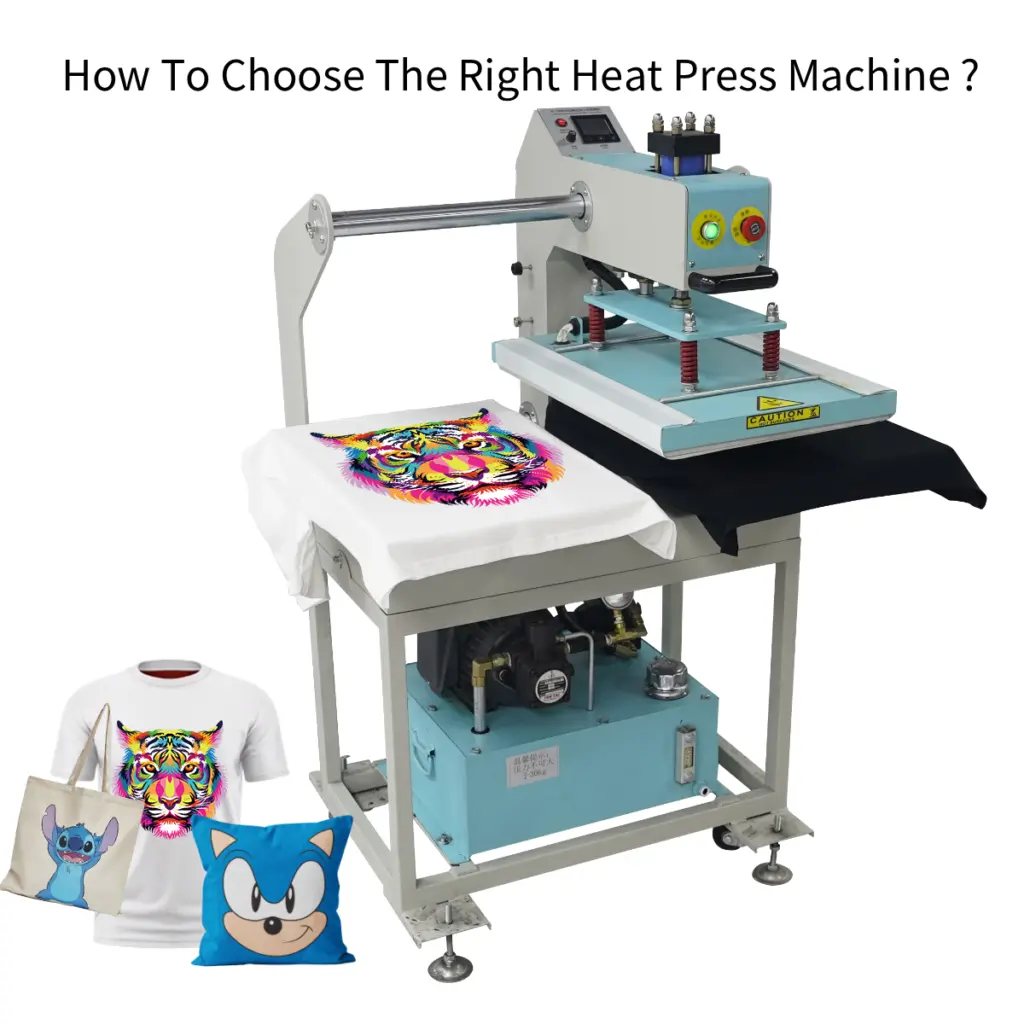
A heat press machine is one of the most essential pieces of equipment for any custom T-shirt business. Whether you’re working with DTF transfers, การระเหิด, heat transfer vinyl (เอชทีวี), or specialty applications, the quality of your heat press directly affects print durability, consistency, and production efficiency.
อย่างไรก็ตาม, with so many heat press machines available on the market—each offering different structures, sizes, pressure systems, and control technologies—choosing the right one can feel overwhelming.
As the global custom apparel industry continues to grow, now is an ideal time to start or scale your printing business. Selecting the right heat press machine is a critical first step toward long-term success. With a clear understanding of machine types, technical factors, and production requirements, you can confidently invest in equipment that supports your business goals.
This guide by ซินฟลายอิ้ง will walk you through everything you need to know to choose the right heat press machine for your custom T-shirt business.
Key Factors to Consider When Choosing a Heat Press
ก่อนจะเลือกเครื่อง, it’s important to evaluate several key factors that directly impact print quality, workflow efficiency, and return on investment.
1. Platen Size and Workspace
Platen size determines the maximum design area you can press. When choosing a heat press, consider both your common order sizes and your available workspace.
| Platen Category | Common Sizes | Ideal Applications |
|---|---|---|
| Extra Small | 4”×6” – 6”×8” | Labels, แขนเสื้อ, baby garments |
| Small | 9”×12” – 14”×16” | Hobby projects, patches |
| ปานกลาง | 15”×15”, 16”×16” | Standard T-shirts, daily orders |
| Large | 16”×20” | Full-front/back prints |
| Extra Large | 18”×20” and above | Oversized or specialty jobs |
For most professional T-shirt businesses, 15”×15”, 16”×16”, or 16”×20” heat presses provide the best balance between versatility and efficiency.
2. Temperature Control Accuracy
Precise temperature control is essential for consistent results. Different materials require different heat settings—cotton typically needs higher temperatures, while polyester and blends require lower heat to avoid scorching.
Xinflying heat press machines are equipped with digital temperature control systems, ensuring accurate heat output and stable performance throughout long production runs.
3. Machine Type
Heat press machines come in several structural designs, each suited for different workflows:
- Clamshell Heat Press
กะทัดรัด, ใช้งานง่าย, and space-saving. Ideal for beginners and light production. - Swing-Away Heat Press
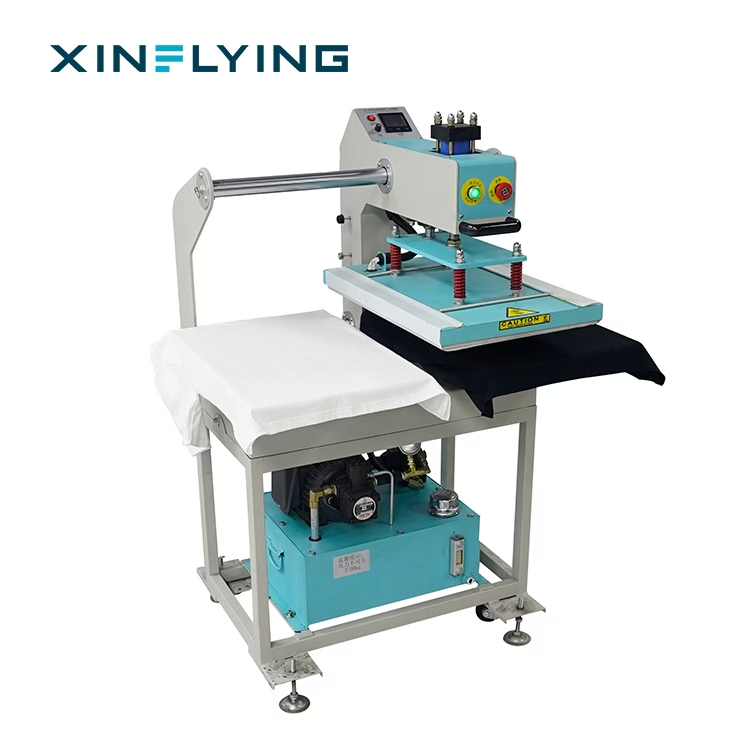
The upper platen swings away completely, providing safer operation and more even pressure—great for thicker garments. - Drawer (Pull-Out) กดความร้อน
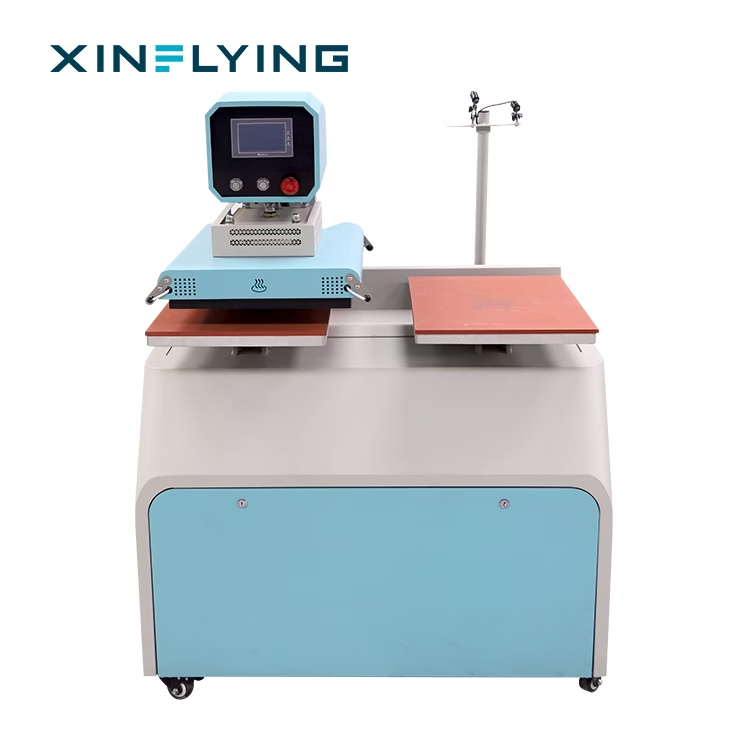
A sliding lower platen allows easier garment positioning and improved safety, combining the benefits of clamshell and swing-away designs. - Pneumatic Heat Press
Uses air pressure for automatic pressing, ideal for high-volume industrial production.
Xinflying offers multiple heat press configurations to match different business scales and production demands.
4. Pressure Adjustment
Uniform pressure is just as important as temperature. Different fabrics, โอนเอกสาร, and garment thicknesses require adjustable pressure for proper adhesion.
Modern Xinflying heat press machines feature adjustable or assisted pressure systems, ensuring even pressure distribution across the platen for clean, การถ่ายโอนที่ทนทาน.
5. Heat Distribution Consistency
Even heat distribution across the platen ensures consistent color transfer and long-lasting prints. Poor heat distribution can lead to peeling, ซีดจาง, or uneven finishes.
Xinflying heat presses use high-quality heating elements and precision-built platens, delivering stable and uniform heat across the entire pressing area.
How to Choose the Right Heat Press for Your Business
ขั้นตอน 1: Assess Your Production Needs
Evaluate your daily order volume, typical garment sizes, and printing techniques. This helps determine the platen size, machine type, and automation level you need.
ขั้นตอน 2: Select the Appropriate Machine Type
Match the machine structure to your workflow. Startups often prefer clamshell presses, while growing businesses benefit from swing-away or drawer-style models for safety and flexibility.
ขั้นตอน 3: Define a Practical Budget
Set a realistic budget based on your production scale. While advanced features improve efficiency, the best investment is equipment that meets your current needs while allowing room for growth.
ขั้นตอน 4: Research Brand Reliability and Support
Beyond specifications, reliable after-sales service is critical. Xinflying provides การสนับสนุนด้านเทคนิค, operational guidance, and long-term parts availability, ensuring your business runs smoothly after installation.
ขั้นตอน 5: Test and Optimize After Purchase
Before full production, test different temperature, ความดัน, and timing settings. Keep records of optimal parameters for different materials to maintain consistent quality.
บทสรุป
Choosing the right heat press machine is about aligning equipment capabilities with your business goals. By considering platen size, machine type, pressure control, and long-term support, you can make a confident and informed decision.
Xinflying heat press machines are designed for reliability, ease of operation, and consistent performance—whether you’re launching a new custom apparel brand or expanding an existing production line. With a full range of models for different production scales and dependable technical support, Xinflying helps you build a strong foundation for long-term success in the custom T-shirt printing industry.