Smart factory adoption is accelerating in textile digital printing in 2026, as print service providers seek to improve efficiency, reduce costs, and respond faster to customer demands. Industry 4.0 technologies—including Internet of Things (IoT) sensors, cloud-based workflow management, and artificial intelligence—are transforming how garments are designed, printed, and fulfilled.
The concept of the smart factory goes beyond individual machines to encompass entire production ecosystems. Orders flow automatically from e-commerce platforms to production systems. Inventory levels trigger automatic replenishment. Equipment status is monitored in real time. Quality control happens continuously through inline inspection systems.
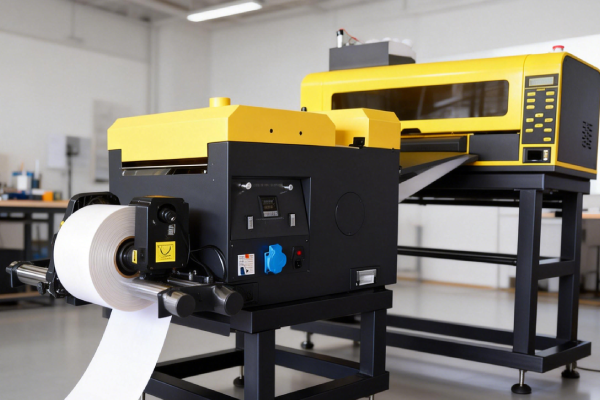
For DTF printing operations, smart factory implementation typically begins with workflow integration. Instead of manually transferring design files to printers and managing production schedules with spreadsheets, integrated systems automate these processes. When an order is placed online, the system automatically generates print files, queues them for production, and schedules transfer and shipping.
IoT sensors play a crucial role. Принтери, powder shakers, heat presses, and other equipment are equipped with sensors that monitor temperature, тиск, швидкість, and other parameters. This data flows to central management systems that track production progress, identify bottlenecks, and predict maintenance needs.
Cloud-based workflow platforms enable remote management and collaboration. Production managers can monitor operations from anywhere, adjusting schedules and priorities based on real-time data. Multi-location businesses can balance workloads across facilities, routing orders to the location with available capacity.
Artificial intelligence enhances smart factory capabilities. Machine learning algorithms analyze production data to identify optimization opportunities. Наприклад, AI can recommend optimal printhead cleaning schedules based on actual usage patterns rather than fixed intervals. It can also predict which jobs will be most profitable based on machine utilization and consumables consumption.
Quality control is transformed by smart factory technologies. Inline inspection systems using computer vision can detect print defects, color variations, and transfer issues in real time. Defective items are automatically rejected and flagged for rework or analysis, preventing customer complaints and reducing waste.
For small and medium-sized print shops, smart factory adoption may seem daunting, but modular solutions are available. Cloud-based workflow platforms can be implemented incrementally, starting with order management and expanding to equipment monitoring and predictive maintenance as capabilities grow.
The benefits of smart factory adoption are substantial. According to industry studies, integrated workflow management can reduce order-to-shipment time by 40–60%. Equipment utilization improves by 20–30% through better scheduling and reduced downtime. Labor productivity increases as manual data entry and coordination tasks are automated.
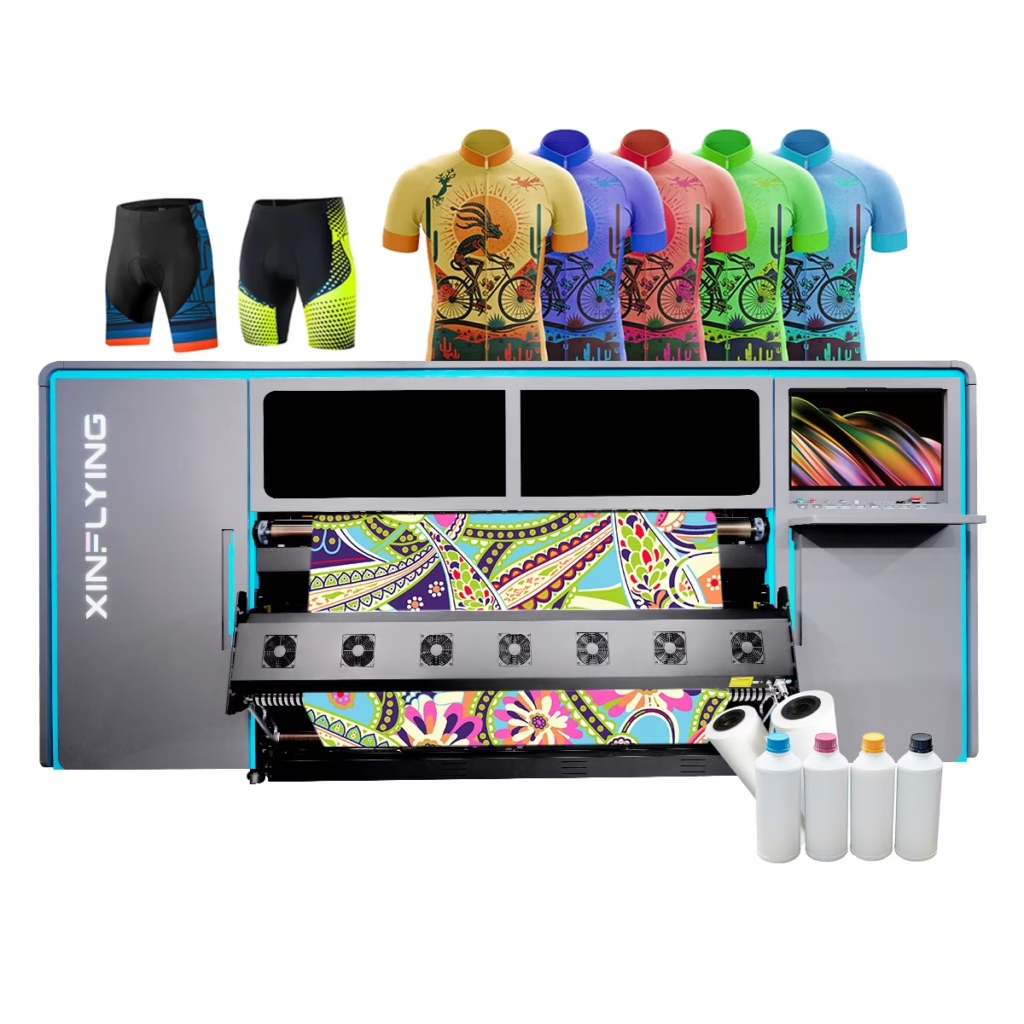
Xinflying Group’s DTF -принтери і сублімаційні принтери are designed for integration with modern workflow platforms, enabling businesses to implement smart factory capabilities without replacing existing equipment. Our technical team can provide guidance on workflow integration and automation strategies.