การแนะนำ
As the demand for custom apparel rises, ตรงสู่ภาพยนตร์ (ดีทีเอฟ) printing has emerged as one of the most popular and reliable decorating methods. Known for its vibrant colors, การยึดเกาะที่แข็งแกร่ง, and versatility across a wide range of fabrics, many users wonder one important question:
การโอน DTF คืออะไร?
To dive into the answer and understand it well, you need to understand what DTF transfer actually means.
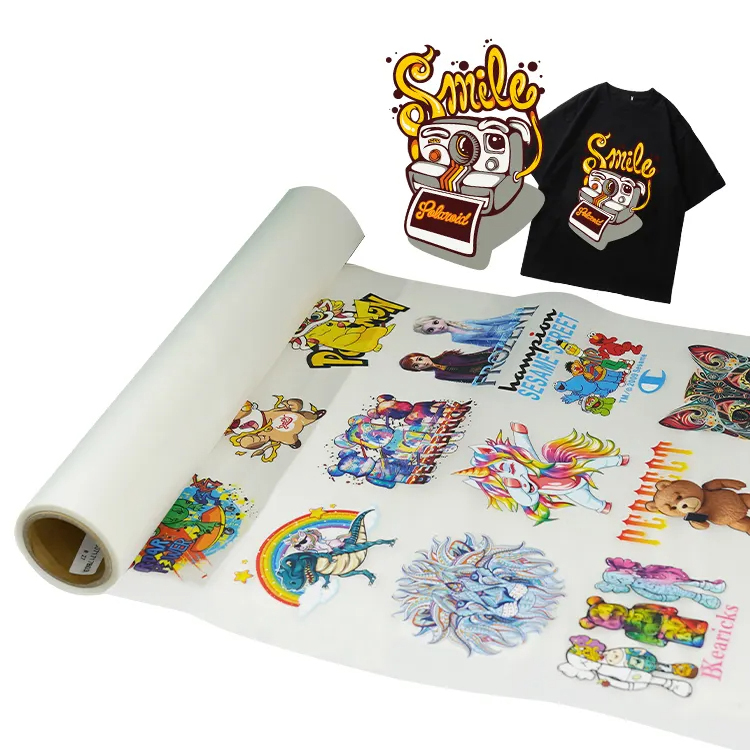
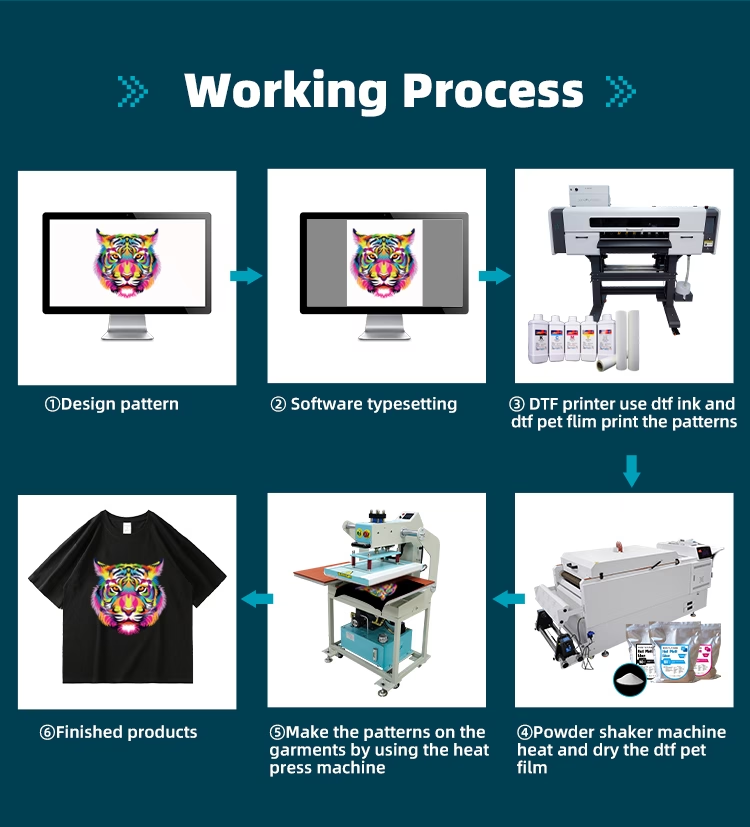
พูดง่ายๆ, DTF transfer is a type of heat transfer in which prints are transferred to a specialized PET film using innovative DTF techniques. แล้ว, they are coated with adhesive melt powder and heat-pressed onto the substrate. The heat press activates the hot melt powder, allowing the prints to adhere perfectly to the substrate. After lifting the heat press, the film is cooled and peeled off. The resulting prints offer unparalleled quality and versatility.
The key components that make up the DTF transfers are:
การถ่ายโอน DTF กันน้ำได้หรือไม่?
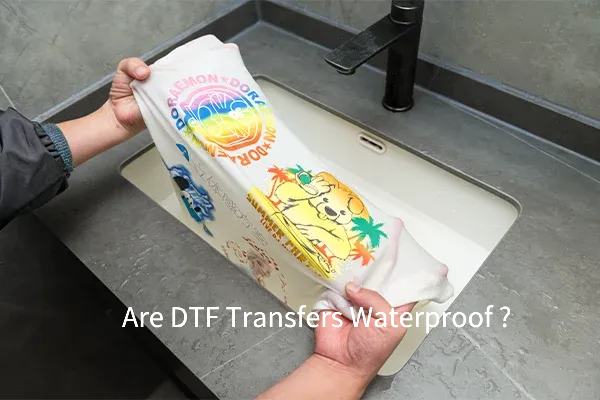
The short answer: ใช่. DTF transfers are highly water-resistant and can withstand repeated washing without fading, แคร็ก, or peeling—when properly applied and cared for.
Tests based on ASTM durability standards show that DTF prints maintain integrity even under long-term moisture exposure and frequent laundering.
Let’s explore what makes DTF waterproof and how to maximize its performance.
What Makes DTF Transfers Waterproof?
DTF printing doesn’t only rely on ink — it uses a combination of:
- Pigment-based DTF inks
- Specially coated PET film
- Hot-melt adhesive powder
- Heat-press activation
During heat pressing, the adhesive melts and bonds firmly into the fabric fibers.
This results in:
✔ Strong waterproof adhesion
✔ Excellent wash resistance
✔ Long-lasting elasticity
The waterproof capability makes DTF an ideal choice for activewear, outdoor apparel, kidswear, and workwear.
How Waterproof Are DTF Prints?
DTF transfers resist:
| Environmental Exposure | ผลงาน |
|---|---|
| Water & Moisture | ⭐ Excellent |
| Detergents | ⭐ Excellent |
| Sweat & Body Oils | ⭐ Good |
| UV sunlight | ⭐ Good |
| Friction & Stretching | ⭐ Good |
Under normal use and proper care, DTF transfers can withstand 50–100 wash cycles while maintaining color intensity and adhesion.
Factors That Affect Waterproof Durability
| Factor | Impact Level | Explanation |
|---|---|---|
| Quality of PET film & ผงกาว | สูง | Low-quality materials reduce bonding strength |
| Heat press settings | สูง | Incorrect temperature/pressure weakens waterproof bond |
| ประเภทผ้า | ปานกลาง | Polyester and blends stabilize adhesion better |
| Design complexity | ปานกลาง | Very thin line work may weaken durability |
| Washing & drying routines | สูง | Aggressive washing causes abrasion & wear |
How to Improve Wash-Proof Performance
To help DTF prints last longer and stay waterproof:
✔ Laundry & Care Tips
- Wash inside out
- ใช้ cold or warm water
- เลือก gentle cycles
- Avoid bleach & strong chemicals
- Air dry or tumble on low heat
- Do not iron directly on the print
✔ Application Tips
- Follow recommended heat press temperature, ความดัน, and timing
- Ensure fully cured adhesive bond
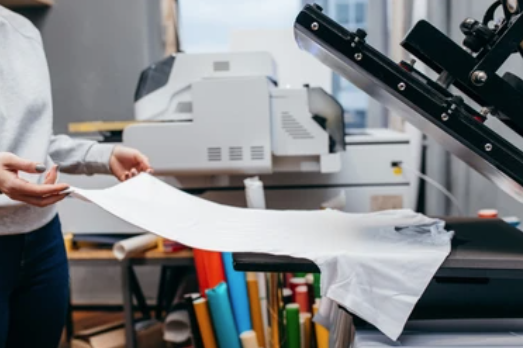
- Smooth application on wrinkle-free fabric surface
A quality heat press and consistent production process make the biggest difference.
How to Store DTF-Printed Garments
Keep prints preserved for long-term use:
- Always store items fully dry
- Fold garments so print faces inward
- Keep in cool, clean, dry environments
- Avoid stacking heavy items over printed areas
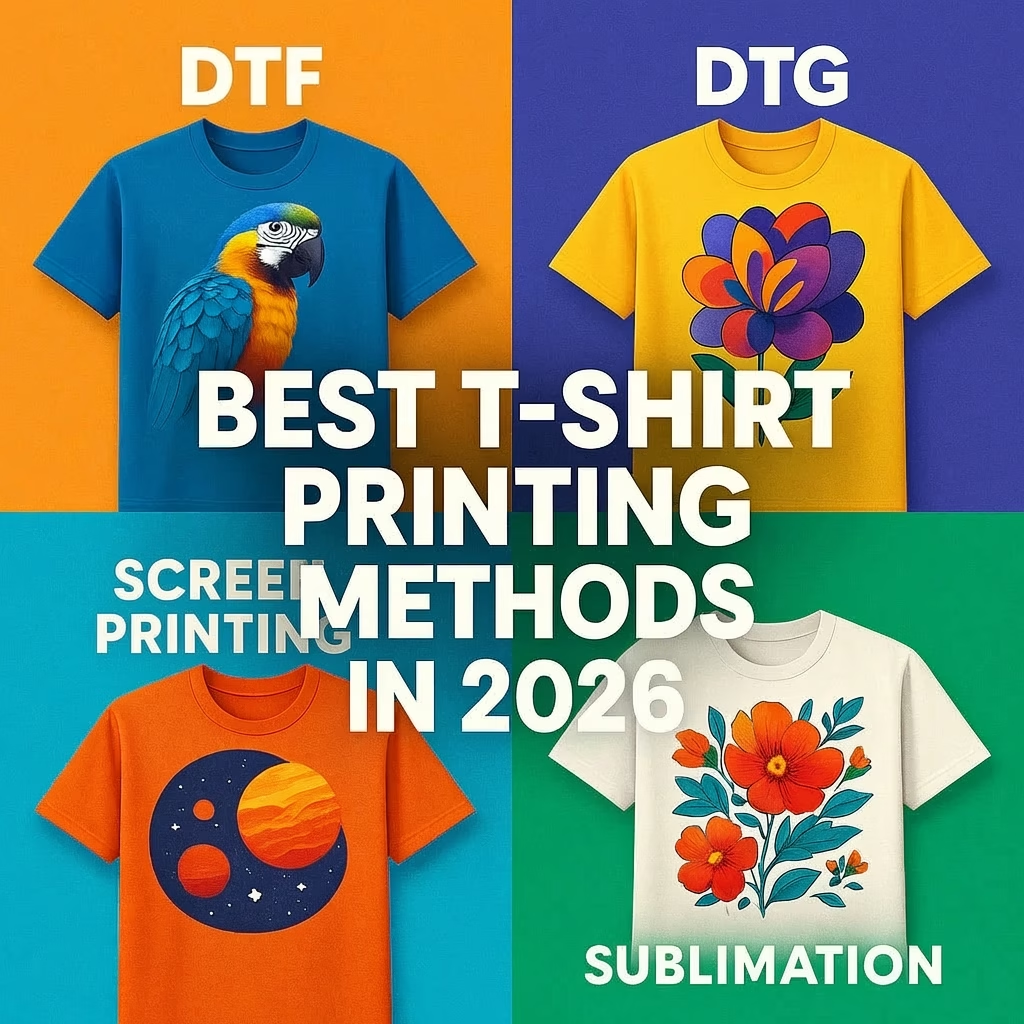
DTF Waterproof Durability vs. Other Printing Methods
| วิธีการพิมพ์ | Waterproof Strength | Durability After Washes | Best Fabric Type |
|---|---|---|---|
| การโอน DTF | ⭐⭐⭐⭐ | 50–100 | All fabrics |
| การระเหิด | ⭐⭐⭐⭐⭐ | 100+ | โพลีเอสเตอร์ |
| การพิมพ์สกรีน | ⭐⭐⭐ | 50+ | ฝ้าย & Poly |
| เอชทีวี | ⭐⭐⭐ | 40–50 | ฝ้าย & Blends |
| ดีทีจี | ⭐⭐ | 30–40 | ฝ้าย |
DTF stands out for its combination of durability, fabric versatility, and waterproof performance.
คำถามที่พบบ่อย
Are DTF Transfers Fully Waterproof?
Yes — they resist moisture extremely well. อย่างไรก็ตาม, harsh washing and high heat can shorten lifespan.
Can I Swim Wearing DTF Printed Apparel?
ใช่, occasional swimming is fine.
Avoid prolonged pool or saltwater exposure to preserve elasticity and color.
Do DTF Transfers Peel After Washing?
Not if properly applied and cared for. Peeling typically results from:
- Low-grade adhesive powder
- Incorrect pressing settings
- Fabric contamination (น้ำมัน, coatings)
Can DTF Transfers Be Reused?
เลขที่. A DTF transfer is single-use only.
บทสรุป
DTF transfers are กันน้ำ, ทนทาน, and designed for long-lasting performance. With proper printing, pressing, and care techniques, your designs will stay:
✨ Bright
✨ Smooth
✨ Flexible
✨ Strong even after 50–100 washes
If you’re running a custom apparel business, DTF printing offers an ideal balance of quality, ความเก่งกาจ, and durability that customers love.