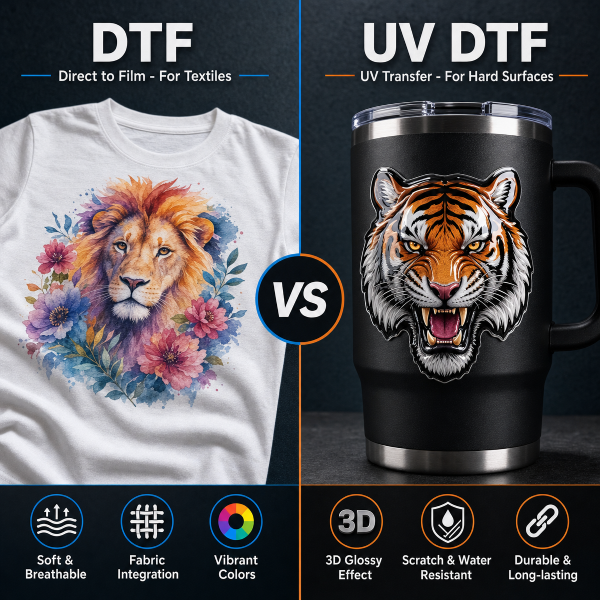
Jika Anda sedang berbelanja solusi pencetakan, Anda hampir pasti pernah mengalami keduanya DTF Dan DTF UV — dan jika terdengar seperti hal yang sama dengan nama yang sedikit berbeda, kamu tidak sendirian. Mereka berbagi beberapa DNA, namun dalam praktiknya, keduanya dibuat untuk aplikasi yang sangat berbeda.
Memilih yang salah tidak hanya memengaruhi kualitas cetakan. Ini memengaruhi seluruh jajaran produk Anda, investasi peralatan Anda, dan pasar yang secara realistis dapat Anda layani. Perbandingan ini menguraikan semua yang perlu Anda ketahui untuk melakukan keputusan yang tepat.
Jawaban Singkat
- DTF (Langsung ke Film) = dirancang untuk kain dan pakaian
- DTF UV (Ultraviolet Langsung ke Film) = dirancang untuk permukaan keras dan produk kaku
Jika bisnis Anda berpusat pada kaos oblong, hoodie, dan tekstil — DTF adalah alat Anda. Jika Anda mendekorasi casing ponsel, perlengkapan minum, akrilik, atau barang keras — UV DTF adalah pilihan yang lebih baik. Banyak toko mapan yang menjalankan keduanya.
Bagaimana Setiap Teknologi Bekerja
Pencetakan DTF Standar
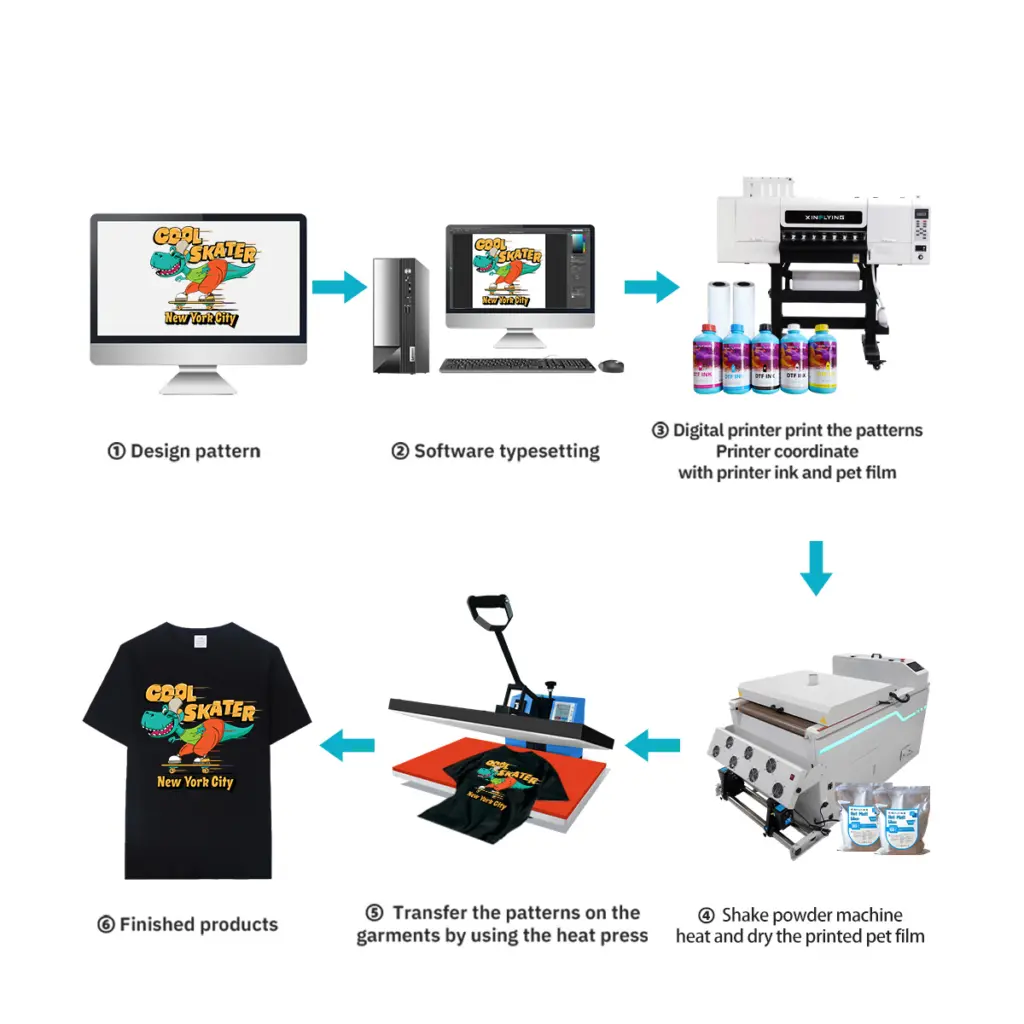
DTF standar mencetak desain ke a PELIHARAAN (poliester) film kulit panas menggunakan tinta pigmen berbahan dasar air. Lapisan bubuk perekat lelehan panas diterapkan saat tinta masih basah, kemudian film tersebut dikeringkan dalam oven untuk mengikat bubuk ke tinta. Transfer yang sudah selesai diterapkan pada kain menggunakan a tekan panas pada suhu dan tekanan yang terkendali.
Pers panas mengaktifkan bubuk perekat, mengikat desain secara permanen ke serat kain. Setelah dingin, filmnya terkelupas, meninggalkan yang lembut, pencetakan fleksibel.
Pencetakan UV DTF
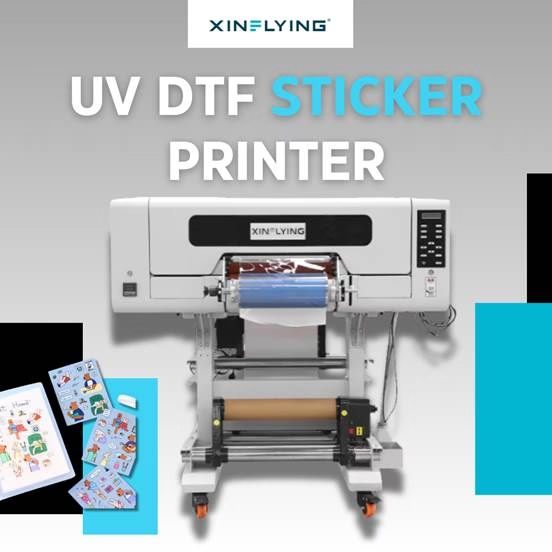
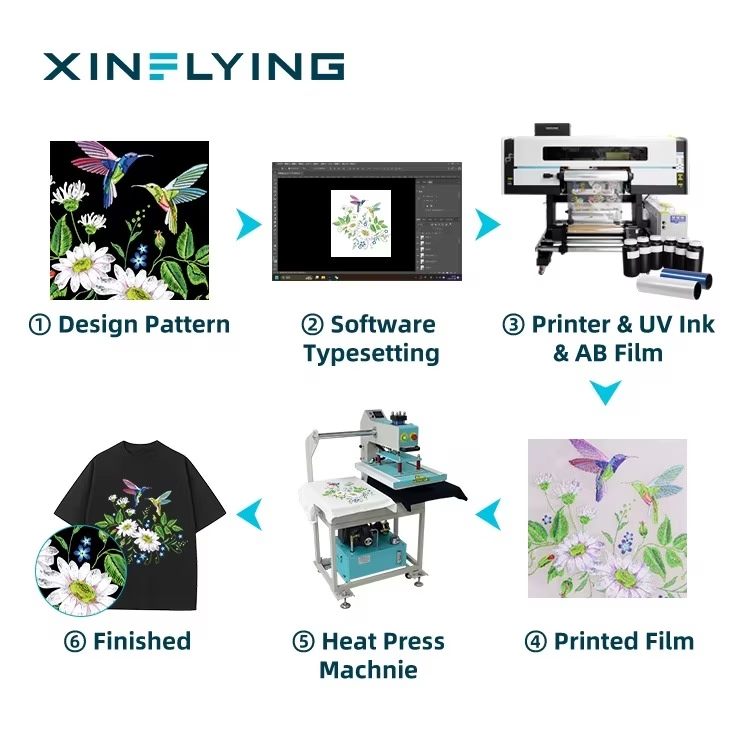
UV DTF mencetak pada a Film A yang reaktif terhadap UV menggunakan tinta yang dapat disembuhkan dengan sinar UV — CMYK, putih, dan pernis. Sebagai pengganti bubuk perekat, Lampu LED UV terpasang pada printer menyembuhkan tinta secara instan setelah disimpan. Film A yang diawetkan dilaminasi menjadi film B transparan menggunakan laminator dingin, membuat transfer siap pakai.
Aplikasi hanya membutuhkan tekanan tangan — tidak ada alat penekan panas, tidak ada bedak, tidak ada pengawetan oven. Ikatan transfer untuk menghaluskan permukaan keras melalui kombinasi adhesi UV-cured dan kontak permukaan.
Perbandingan Berdampingan
| Fitur | DTF standar | DTF UV |
|---|---|---|
| Permukaan Terbaik | kain & tekstil | Barang keras & permukaan kaku |
| Jenis Tinta | Pigmen berbahan dasar air | Dapat disembuhkan dengan sinar UV (CMYK + Putih + Pernis) |
| Metode Penyembuhan | Oven + bubuk perekat | Lampu LED UV (dibangun ke dalam printer) |
| Diperlukan Tekan Panas | ✅ Ya | ❌ Tidak |
| bubuk perekat | ✅ Ya | ❌ Tidak |
| Tinta Putih | ✅ Ya | ✅ Ya |
| 3D Efek Tekstur | ❌ Tidak | ✅ Ya (dengan lapisan pernis) |
| Bekerja pada Permukaan Melengkung | Terbatas | ✅ Ya |
| Daya Tahan Cuci (kain) | Bagus sekali | Tidak berlaku |
| Daya Tahan Gores (barang keras) | Tidak berlaku | Bagus sekali |
| Minimal. Kuantitas Pesanan | 1 bagian | 1 bagian |
| Kecepatan Produksi | Sedang | Sedang |
| Biaya Awal | Lebih rendah | Sedang – Lebih Tinggi |
Kualitas Cetak Dibandingkan
Kecerahan Warna
Kedua metode menghasilkan penuh warna, cetakan berkualitas fotografi. Pada materi sasarannya masing-masing, keduanya berkinerja sangat baik. Cetakan UV DTF cenderung memiliki semburat warna yang sedikit lebih tinggi pada permukaan keras karena dasar tinta putih dan lapisan kilap yang diawetkan dengan sinar UV. Cetakan DTF pada kain memiliki kesan lembut di tangan yang menyatu secara alami dengan tekstil.
Performa Tinta Putih
Tinta putih sangat penting dalam kedua metode ini — tinta ini memberikan lapisan dasar buram yang membuat warna terlihat pada permukaan gelap atau non-putih. UV DTF umumnya memiliki keunggulan di sini: Tinta putih yang diawetkan dengan sinar UV mengeras lebih keras dan merata dibandingkan tinta putih berperekat bubuk di DTF, mengurangi risiko bercak semi-transparan di area putih dengan cakupan tinggi.
Detil Halus
Kedua teknologi tersebut menangani garis halus dan teks kecil dengan baik. UV DTF memiliki sedikit keunggulan untuk pengerjaan detail yang sangat halus pada barang keras karena sifatnya yang kaku, sifat film transfer yang tidak menyerap. DTF pada kain dapat sedikit menyebar karena tinta bersentuhan dengan serat tekstil, meskipun hal ini jarang terlihat dengan mata telanjang pada sebagian besar desain.
Kompatibilitas Bahan
DTF Standar Berfungsi Paling Baik:
- 100% kapas dan campuran kapas
- Kain poliester dan kinerja
- Denim
- Tas kanvas dan tas jinjing
- Nilon (dengan keterbatasan)
UV DTF Berfungsi Paling Baik:
- Kasing telepon (semua jenis plastik dan silikon)
- Gelas dan perlengkapan minum dari baja tahan karat dan logam
- Mug dan ubin keramik
- Akrilik dan kaca plexiglass
- Permukaan kaca
- Barang kulit dan kulit imitasi
- Tanda dan plakat kayu
- Logam dicat dan aluminium dilapisi
Penting: UV DTF tidak bekerja dengan baik pada kain. Lapisan tinta kaku yang diawetkan dengan sinar UV retak dan terkelupas akibat pelenturan dan pencucian berulang kali yang dialami pakaian. Jika Anda mencoba menggunakan UV DTF pada kaos, transfer akan gagal dengan cepat.
Peralatan dan Pengaturan
Pengaturan DTF Standar
| Peralatan | Tujuan |
|---|---|
| Pencetak DTF | Mencetak desain ke film PET |
| Pengocok Bubuk | Mendistribusikan bubuk perekat lelehan panas secara merata |
| Oven Penyembuhan | Merekatkan bubuk ke tinta |
| Tekan Panas | Mentransfer desain ke kain |
| Perangkat Lunak RIP | Mengelola profil cetak |
Pengaturan UV DTF
| Peralatan | Tujuan |
|---|---|
| Pencetak UV-DTF | Cetakan dan desain penyembuhan UV pada film A |
| Laminator Dingin | Mengikat film A dan film B bersama-sama |
| Perangkat Lunak RIP | Mengelola saluran tinta UV dan lapisan putih |
UV DTF memiliki biaya awal yang lebih tinggi tetapi a alur kerja yang lebih sederhana — lebih sedikit mesin, tidak ada bubuk yang berantakan, tidak ada manajemen tekanan panas.
Kompleksitas Alur Kerja
Alur Kerja DTF (5 Langkah)
- Siapkan desain dalam perangkat lunak RIP
- Cetak pada film PET
- Oleskan bubuk perekat (pengocok manual atau otomatis)
- Menyembuhkan bubuk dalam oven (160–170°C, 2–3 menit)
- Tekan panas ke pakaian (160°C, 6–10detik)
Poin rasa sakit: Konsistensi pengaplikasian bedak, manajemen suhu oven, pengaturan heat press bervariasi berdasarkan jenis kain.
Alur Kerja UV DTF (4 Langkah)
- Siapkan desain dalam perangkat lunak RIP
- Cetak ke film A (Penyembuhan UV terjadi secara otomatis di dalam mesin)
- Laminasi dingin film A dengan film B
- Transfer tekan dengan tangan ke produk dan kupas
Poin rasa sakit: Persiapan permukaan (harus bersih dan halus), Penyelarasan film B dalam laminator.
UV DTF unggul dalam kesederhanaan alur kerja — terutama bagi operator yang menginginkan kebersihan, proses produksi cepat tanpa mengatur suhu oven atau aplikasi bubuk.
Mana yang Lebih Menguntungkan?
Kedua metode ini menguntungkan — jawabannya tergantung pada target pasar Anda.
Margin DTF kuat untuk dekorator garmen, khususnya toko kaos custom. Biaya masuk yang rendah berarti ROI yang lebih cepat, dan permintaan akan pakaian adat sangat besar.
Margin UV-DTF per itemnya cenderung lebih tinggi karena barang keras seperti gelas khusus dan casing ponsel memiliki harga eceran premium ($20–$50+), sedangkan biaya per cetak hanya sedikit lebih tinggi dibandingkan DTF. Toko UV DTF yang berfokus pada produk perlengkapan minum atau hadiah premium dapat mencapai margin kotor 60–80% untuk masing-masing item.
Bisakah Anda Menjalankan Keduanya di Toko yang Sama?
Ya — dan banyak toko percetakan yang berkembang melakukan hal ini.
Pengaturan yang umum:
- pencetak DTF untuk pesanan garmen (kaos oblong, hoodie, tas gendong)
- pencetak UV-DTF (seperti XF-600S) untuk barang keras (gelas, kasus telepon, produk akrilik)
Kombinasi ini memungkinkan Anda melayani hampir semua permintaan pencetakan khusus tanpa menolak pesanan. Kedua alur kerja tersebut cukup independen sehingga tidak saling mengganggu, dan investasi peralatan dilakukan secara bertahap — Anda dapat memulai dengan satu dan menambahkan yang lain seiring pertumbuhan basis pelanggan Anda.
Ringkasan: Mana yang Harus Anda Pilih?
| Situasi Anda | Pilihan yang Direkomendasikan |
|---|---|
| Terutama mendekorasi pakaian dan kain | DTF standar |
| Terutama mendekorasi barang keras dan produk kaku | DTF UV |
| Ingin menawarkan efek timbul/bordir 3D | DTF UV |
| Biaya awal serendah mungkin | DTF standar |
| Terbersih, alur kerja produksi paling sederhana | DTF UV |
| Melayani pasar kain dan barang keras | Keduanya |
Tidak ada yang universal “lebih baik” pilihan — hanya pilihan yang lebih baik untuk apa yang Anda cetak. Jika Anda masih ragu, mulailah dengan memetakan pesanan pelanggan Anda saat ini atau target: apa yang sebenarnya mereka beli? Biarkan jawaban tersebut memandu keputusan peralatan.
Pertanyaan yang Sering Diajukan
Q: Bisakah saya menggunakan printer UV DTF untuk mencetak di kaos?
A: Tidak direkomendasikan. Tinta yang diawetkan dengan sinar UV bersifat kaku dan akan retak serta terkelupas pada kain jika dipakai dan dicuci secara normal. Untuk pencetakan kain, DTF standar adalah metode yang benar.
Q: Apakah UV DTF lebih mahal dibandingkan DTF?
A: Printer UV DTF umumnya lebih mahal di muka, dan biaya per cetak sedikit lebih tinggi. Namun, produk yang digunakannya (perlengkapan minum, kasus telepon) memerintahkan harga eceran yang lebih tinggi, sehingga margin keuntungan tetap kuat.
Q: Apakah kedua metode tersebut memerlukan perangkat lunak RIP?
A: Ya. Baik DTF maupun UV DTF memerlukan perangkat lunak RIP untuk mengelola saluran tinta, profil warna, dan pengaturan lapisan putih. Pilihan umum termasuk Maintop dan Photoprint.
Q: Metode mana yang memiliki daya tahan pencucian lebih baik?
A: Untuk aplikasi kain, DTF standar memiliki daya tahan pencucian yang sangat baik (diberi peringkat 40–50+ pencucian dalam kondisi normal). UV DTF tidak dirancang untuk mencuci kain dan tidak boleh dibandingkan dengan metrik ini — DTF dirancang untuk ketahanan barang keras, dimana kinerjanya sangat baik.
Q: Bisakah transfer UV DTF disimpan sebelum digunakan?
A: Ya. Transfer UV DTF yang dicetak dan dilaminasi dapat disimpan secara datar, jauh dari panas dan cahaya langsung, selama beberapa minggu hingga bulan sebelum aplikasi tanpa degradasi yang berarti.