Ha a ruházat testreszabásának legjobb módját keresi, promóciós termékek, vagy márkás árut, nagy valószínűséggel két népszerű módszerrel találkoztál: szublimációs nyomtatás és hőátadó nyomtatás. Mindkettő élénkséget eredményezhet, színes minták – de nagyon eltérően működnek, és különböző helyzetekben kiválóak.
Ebben az útmutatóban, pontosan lebontjuk az egyes módszerek működését, ahol mindegyik ragyog, és melyik a legmegfelelőbb az Ön konkrét igényeinek.
| Ebben a cikkben: Hogyan működik a szublimációs nyomtatás • Hogyan működik a hőátadó nyomtatás • Egymás melletti összehasonlítás • Profi & mindegyik hátránya • Melyik módszert válasszuk • GYIK |
Mi van Szublimációs nyomtatás?
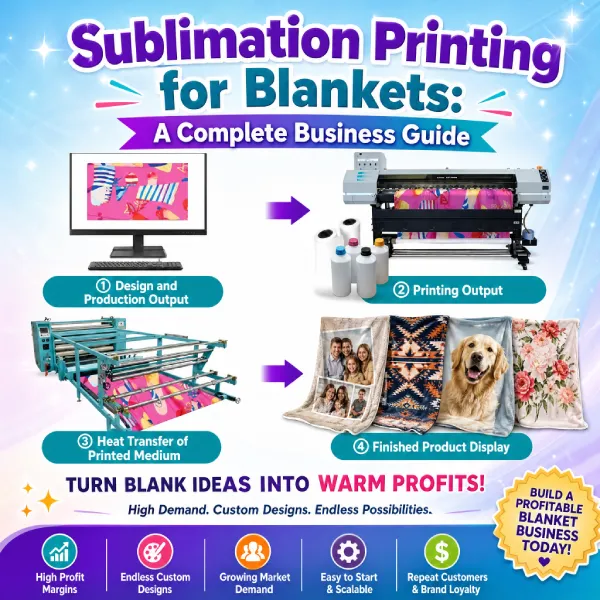
Szublimációs nyomtatás (festékszublimációnak is nevezik) olyan folyamat, amelyben a hő és a nyomás a szilárd festéket közvetlenül gázzá alakítja, amely ezután egy poliészter szubsztrát szálaihoz kötődik. Az eredmény egy állandó, színes nyomat, amely magának az anyagnak a részévé válik – nem egy réteg a tetején.
Hogyan működik
- A mintát speciális szublimációs transzferpapírra nyomtatják szublimációs tintával.
- A transzferpapírt nyomtatott oldalával lefelé helyezze a hordozóra (PÉLDÁUL., poliészter ing vagy kerámia bögre).
- A hőprés magas hőt termel (375-428°F körül / 190-220°C) és nyomás azért 20 másodpercig.
- A festék elpárolog, és tartósan megtapad a termék szálaiban vagy bevonatában.
| ✅ A legjobb: Poliészter sportruházat, aktív ruházat, mindenhol nyomtatott ruhák, bögrék, telefontokok, egérpadok, táskák (poliészter), fémpanelek, és bevont felületű promóciós cikkek. |
Mi van Hőátviteli nyomtatás?
A hőátadásos nyomtatás egy tág kategória, amely minden olyan eljárást lefed, amelyben az előre nyomtatott mintát hő és nyomás segítségével viszik át a hordozóra.. Ez magában foglalja a HTV-t is (hőátadó vinil), plasztiszol transzferek, és fehér toner transzferek, többek között.
Hogyan működik
- Kinyomtatják a tervet, vágott, vagy speciális transzferfóliára vagy papírra készítjük.
- A transzfert a ruhára vagy a hordozóra helyezik.
- A hőprés aktiválja a ragasztóréteget, a mintát a felülethez köti.
- A hátlap le van hámozva, a mintát az anyagra tapadva hagyva.
| ✅ A legjobb: Pamut pólók, pulcsikat, sötét színű szövetek, Kis nyomtatás fut, csapat egyenruhák, promóciós ajándékok, és a gyors fordulatot igénylő helyzetek alacsony minimumokkal. |

Szublimációs nyomtatás vs hőátadás: Egymás melletti összehasonlítás
| Funkció | Szublimációs nyomtatás | Hőátvitel | Győztes |
| Színes vibrálás | Kivételes, fotóminőségű | Jótól kiválóig | Szublimáció |
| Szövet követelmény | Poliészter / csak poli-keverék | A legtöbb szövet, beleértve. pamut | Hőátvitel |
| Tartósság | Állandó, nem reped/hámlik meg | Idővel megrepedhet vagy leválhat | Szublimáció |
| Sötét szövet támogatás | Csak világos/fehér szövetek | Igen, fehér aljzattal | Hőátvitel |
| Egységenkénti költség | Alacsony a teljes lefedettségű tervekhez | Változó; nagyobb futásoknál | Szublimáció |
| Beállítási költség | Mérsékelt (nyomtató + szublimációs tinta) | Alacsony vagy közepes | Nyakkendő |
| Részletes szint | Rendkívül finom részlet | Jó részlet | Szublimáció |
| Mosásállóság | Kiváló (szín a rostokban) | Jó (felületi tapadás) | Szublimáció |
| Ideális termékek | Sportruházat, bögrék, telefontokok | Pólók, pulcsikat, pamut cikkek | Használattól függ |
A szublimációs nyomtatás előnyei és hátrányai
Profik
- Páratlan színélénkség és fotórealisztikus részletek.
- Rendkívül tartós – a nyomat soha nem reped meg, héj, vagy elhalványul.
- Nincs kézérzet; a nyomat sima tapintású, mivel be van ágyazva a szálakba.
- Kiválóan alkalmas mindenre kiterjedő kialakításhoz (széltől szélig nyomtatás szegélyek nélkül).
- Költséghatékony a teljes lefedettségű tervekhez.
Hátrányok
- Csak fehér vagy nagyon világos színű felületeken működik.
- Poliészter tartalom szükséges (minimális 65%, ideális esetben 100% poliészter).
- Nem alkalmas pamuthoz, vászon, vagy a legtöbb természetes szövet.
- Dedikált szublimációs nyomtatót és tintákat igényel.
A hőátadó nyomtatás előnyei és hátrányai
Profik
- Gyakorlatilag bármilyen szöveten használható – pamut, poliészter, keverékek, és több.
- Sötét és színes aljzatokkal kompatibilis.
- Alacsony beállítási költségek és nincs minimális rendelési mennyiség.
- Gyors fordulat; ideális igény szerinti és kis szériás gyártáshoz.
- Feldolgozások széles választéka: matt, fényes, fémes, fénylik, és több.
Hátrányok
- A nyomatok az anyag tetején helyezkednek el, amelyek merevnek vagy nehéznek érezhetik magukat a nagyméretű mintákon.
- Kevésbé tartós, mint a szublimáció – a nyomatok megrepedhetnek, héj, vagy többszöri mosás után elhalványul.
- A színek élénksége valamivel alacsonyabb lehet, mint a szublimáció hasonló kiviteleknél.
- Sötét anyagokra történő nyomtatáshoz gyakran fehér alsó alapra van szükség, költség hozzáadásával.
Melyik módszert érdemes választani?
A megfelelő választás a projekt konkrét követelményeitől függ. Íme egy gyors döntési útmutató:
| Válassza a Szublimációt, ha: Ön poliészter termékekre nyomtat (különösen sportruházatot vagy teljesítményruházatot), mindenre kiterjedő nyomattervekre van szüksége, a hosszan tartó mosási tartósságot részesíti előnyben, vagy nagy mennyiségben állít elő márkás árut fehér/világos felületeken. |
| Válassza a Hőátadás lehetőséget: Pamut vagy sötét színű ruhákkal dolgozik, kis mennyiségekre van szüksége gyors átfutással, különleges bevonatokat szeretne, mint például a csillogás vagy a fém, vagy a költségvetése alacsonyabb előzetes befektetést részesít előnyben. |
Kombinálhatja a két módszert?
Teljesen. Számos professzionális nyomda – köztük a Xinflying – a munkától függően szublimációs és hőátadó nyomtatást is alkalmaz. Mindkét módszer házon belüli futtatása rugalmasságot biztosít a vevői rendelések sokkal szélesebb körének átvételéhez anélkül, hogy el kellene hagynia a munkát..
Például, a poliészter mezt megrendelő ügyfél szublimációt kap; egy másik pamut kapucnis pulóver rendelése hőátadó vinilt vagy plasztiszolt kap. Mindkettő kiváló minőségű eredményt ad, ha a megfelelő módszert a megfelelő aljzathoz illesztjük.
Gyakran Ismételt Kérdések
A szublimációs nyomtatás drágább, mint a hőátadás??
Nem feltétlenül. Poliészter termékek nagy volumenű vagy teljes lefedettségű kialakításához, a szublimáció gyakran költséghatékonyabb. A hőátadás általában gazdaságosabb kis sorozatoknál vagy egyszerű egyszínű mintáknál.
Sötét ingeken is működik a szublimációs nyomtatás?
Nem. A szublimáció a hordozó fehér vagy világos hátterére támaszkodik a pontos színek megjelenítéséhez. Sötét szöveteken, a színek nem jelennek meg megfelelően. Sötét ruhákhoz, a jobb megoldás a fehér aljzattal ellátott hőátadás.
Hány mosásig tart a hőátadó nyomtatás?
Megfelelő alkalmazással és gondozással (hideg mosás, kifordul, nem szárítógépben), a minőségi hőátadó nyomatok tartósak lehetnek 50+ mosogat. Szublimációs nyomatok, viszont, lényegében állandóak, és a ruhadarab élettartama alatt kitartanak.
Működik-e a szublimáció 50/50 pamut-poliészter keverékek?
Lehet, de korlátokkal. Az a 50/50 keverék, a szublimációs festék csak a poliészter szálakhoz kötődik, „szüret” létrehozása’ vagy ’heherált’ szilárd anyag helyett, élénk nyomat. Az igazi vibrálásért, használat 100% poliészter vagy legalább 85-95% poliészter szövet.
Végső gondolatok
Mind a szublimációs nyomtatás, mind a hőátadás bevált, professzionális szintű módszerek egyértelmű erősségekkel. A különbségek megértése segít kiválasztani a megfelelő technikát az adott termékhez, szövetek, és az üzleti célok.
A Xinflyingben, Mindkét módszerre specializálódtunk, és segíthetünk kiválasztani a legjobb nyomtatási megközelítést az Ön észak-amerikai egyedi ruházati igényeihez. Akár egy sportcsapatot szerel fel, árusor elindítása, vagy nyomtatási üzletének bővítése, rendelkezünk a kiváló eredmények eléréséhez szükséges felszereléssel és szakértelemmel.
| Készen áll a kezdésre? Lépjen kapcsolatba a Xinflyinggel még ma, és kérjen egyedi árajánlatot a szublimációs vagy hőátadási nyomtatási szolgáltatásokról. Ügyfeleinket szolgáljuk ki az Egyesült Államok egész területén. és Kanada gyors átfutási idővel és professzionális minőségű kimenettel. |