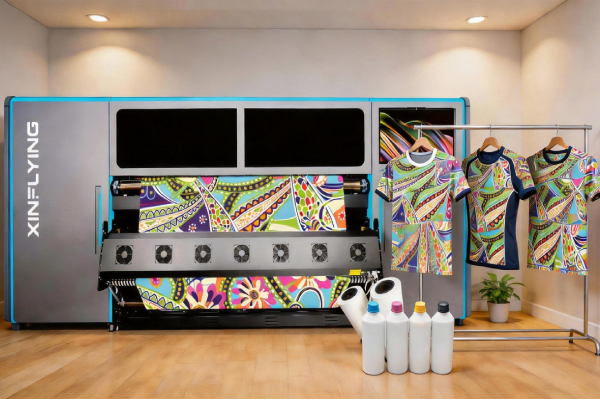
Εάν έχετε εξερευνήσει προσαρμοσμένες επιλογές εκτύπωσης για ρούχα, κούπες, ή διαφημιστικά προϊόντα, πιθανότατα έχετε συναντήσει εκτύπωση εξάχνωσης. Αλλά τι ακριβώς είναι, πώς λειτουργεί, και είναι η σωστή επιλογή για την επιχείρησή σας?
Αυτός ο οδηγός καλύπτει όλα όσα πρέπει να γνωρίζετε — από την επιστήμη πίσω από τη διαδικασία έως μια πρακτική σύγκριση με την εκτύπωση DTG και DTF — ώστε να μπορείτε να πάρετε μια τεκμηριωμένη απόφαση.
Τι είναι η εκτύπωση εξάχνωσης?
Εκτύπωση εξάχνωσης είναι μια διαδικασία ψηφιακής εκτύπωσης που χρησιμοποιεί θερμότητα για να μεταφέρει τη βαφή απευθείας στις ίνες ενός υλικού, αντί να κάθεται στην κορυφή της επιφάνειας όπως το παραδοσιακό μελάνι. Το αποτέλεσμα είναι μια στάμπα που γίνεται μέρος του ίδιου του υφάσματος — ζωντανή, απαλό στην αφή, και πολύ ανθεκτικό.
Η λέξη “εξάχνιση” αναφέρεται στην επιστημονική διαδικασία όπου μια ουσία μεταβαίνει απευθείας από στερεά κατάσταση σε αέριο, παρακάμπτοντας εντελώς την υγρή φάση. Σε εκτύπωση εξάχνωσης, Τα στερεά σωματίδια βαφής θερμαίνονται στους 220°C περίπου, μετατρέπεται σε αέριο και συνδέεται μόνιμα με τις πολυμερείς ίνες του υλικού.
Επειδή η βαφή συνδέεται σε μοριακό επίπεδο, Οι εκτυπώσεις εξάχνωσης δεν θα σπάσουν, φλούδα, ή ξεθωριάζουν με τον τρόπο που μπορούν να εκτυπωθούν με μεταξοτυπία ή εκτυπώσεις μεταφοράς θερμότητας με την πάροδο του χρόνου.
Πώς λειτουργεί η εκτύπωση εξάχνωσης?
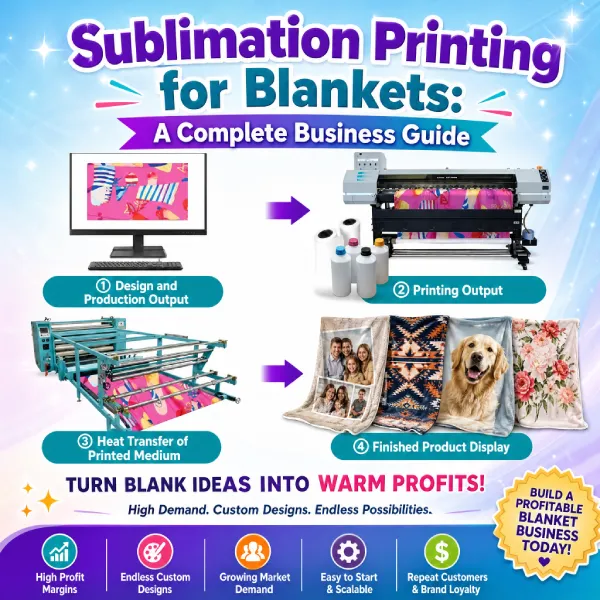
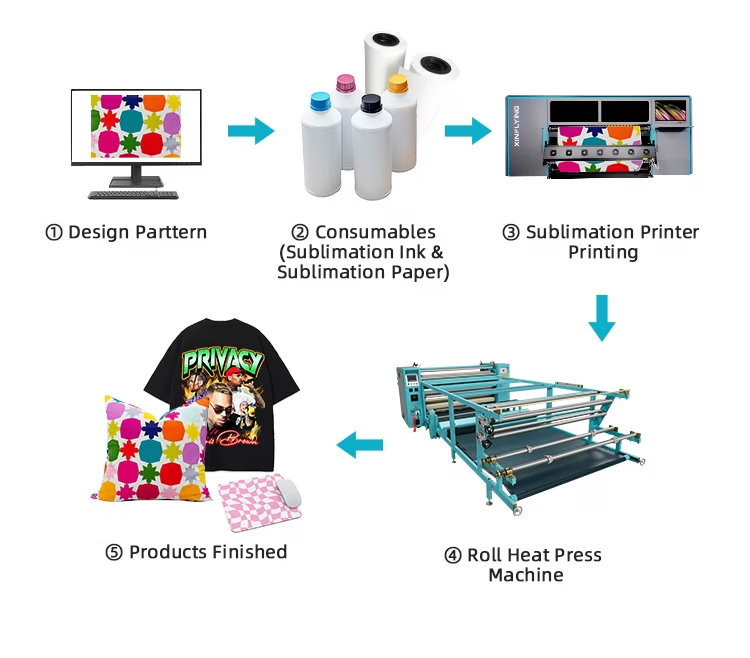
Η διαδικασία εκτύπωσης εξάχνωσης περιλαμβάνει τέσσερα βήματα:
Βήμα 1: Δημιουργία Σχεδιασμού Δημιουργήστε το έργο τέχνης σας ψηφιακά χρησιμοποιώντας λογισμικό όπως το Adobe Illustrator, CorelDRAW, ή οποιοδήποτε πρόγραμμα σχεδίασης που εξάγει αρχεία υψηλής ανάλυσης. Στη συνέχεια, το σχέδιο αντικατοπτρίζεται (γυρισμένο οριζόντια) πριν την εκτύπωση, αφού θα μεταφερθεί με την όψη προς τα κάτω στο υπόστρωμα.
Βήμα 2: Εκτυπώστε σε χαρτί Sublimation Transfer Το σχέδιο καθρέφτη εκτυπώνεται σε ειδικό χαρτί μεταφοράς εξάχνωσης χρησιμοποιώντας έναν εκτυπωτή εξάχνωσης φορτωμένο με μελάνι εξάχνωσης. Σε αυτό το στάδιο, το μελάνι φαίνεται θαμπό και σβησμένο — γίνεται ζωντανό μόνο όταν εφαρμοστεί θερμότητα.
Βήμα 3: Μεταφορά θερμότητας Το εκτυπωμένο χαρτί μεταφοράς τοποθετείται με την όψη προς τα κάτω στο υπόστρωμα (ύφασμα, κούπα, θήκη τηλεφώνου, και τα λοιπά.) και πιέζεται χρησιμοποιώντας μια πρέσα θερμότητας στη σωστή θερμοκρασία και πίεση. Η θερμότητα αναγκάζει τα σωματίδια του στερεού μελανιού να εξαχνωθούν σε αέριο, που διεισδύει στην επιφάνεια του υλικού.
Βήμα 4: Ψύξη και φινίρισμα Μόλις ολοκληρωθεί ο κύκλος θερμικής πίεσης (τυπικά 20 δευτερόλεπτα), το χαρτί μεταφοράς ξεφλουδίζεται. Καθώς το υπόστρωμα ψύχεται, το αέριο επανέρχεται σε στερεή κατάσταση — τώρα μόνιμα ενσωματωμένο στο υλικό. Το αποτέλεσμα είναι ένα ζωντανό, έγχρωμη εκτύπωση χωρίς υπερυψωμένες άκρες ή υφή.
Ποια υλικά μπορούν να εκτυπωθούν με εξάχνωση?
Αυτό είναι ένα από τα πιο σημαντικά πράγματα που πρέπει να κατανοήσετε σχετικά με την εκτύπωση εξάχνωσης: λειτουργεί μόνο σε υλικά με βάση πολυεστέρα ή επικαλυμμένα με πολυμερή.
Επειδή η βαφή συνδέεται με μόρια πολυμερούς κατά την αέρια φάση, δεν μπορεί να διεισδύσει σε φυσικές ίνες όπως 100% βαμβάκι. Όσο μεγαλύτερη είναι η περιεκτικότητα του υφάσματος σε πολυεστέρα, τόσο πιο ζωντανή και ανθεκτική θα είναι η εκτύπωση εξάχνωσης.
Τα συμβατά υλικά περιλαμβάνουν:
- Πολυεστερικό ύφασμα (100% ή υψηλής ανάμειξης) — αθλητικά ρούχα, ενεργά ενδύματα, φανέλες
- Σκληρά προϊόντα με επίστρωση πολυμερών — κούπες, θήκες τηλεφώνων, μπρελόκ, ποτηράκια
- Μεταλλικά πάνελ με επικάλυψη πολυεστέρα — βραβεία, πλάκες, σήμανση
- Κεραμικό με επίστρωση πολυμερούς — πλάκες, πλακάκια, στολίδια
- Νάιλον και άλλα συνθετικά υφάσματα
Μη συμβατό:
- 100% βαμβάκι
- Φυσικές ίνες (λινό, μετάξι, μαλλί)
- Σκούρα υφάσματα (το μελάνι εξάχνωσης είναι διαφανές; δεν μπορεί να καλύψει τα σκούρα βασικά χρώματα)
- Μη επικαλυμμένο μέταλλο, ποτήρι, ή ξύλο
Ποια προϊόντα είναι καλύτερα για την εκτύπωση εξάχνωσης?
Η εκτύπωση εξάχνωσης χρησιμοποιείται σε ένα ευρύ φάσμα βιομηχανιών και κατηγοριών προϊόντων:
Ενδύματα
- Αθλητικές φανέλες και φόρμες ομάδων
- Ενδύματα και ρούχα γυμναστικής
- Μαγιό και παντελόνι
- Προσαρμοσμένες κουκούλες και φερμουάρ (μείγμα πολυεστέρα)
- Μπλουζάκια με στάμπα
Διαφημιστικά και Εταιρικά Προϊόντα
- Προσαρμοσμένες κούπες και φλιτζάνια καφέ
- Μπουκάλια και ποτήρια νερού
- Επιθέματα ποντικιού
- Κορδόνια και κάτοχοι ταυτότητας
- Επώνυμες τσάντες (πολυεστέρας)
Διακόσμηση σπιτιού
- Πετάξτε μαξιλάρια και μαξιλαροθήκες
- Κουβέρτες και ταπετσαρίες
- Φωτογραφικά πάνελ και τέχνη τοίχων
- Σουβέρ και σουπλά
Βραβεία και Σήμανση
- Μεταλλικές πλακέτες και τρόπαια
- Ακρυλικά βραβεία
- Σύνθετα πάνελ αλουμινίου
Εκτύπωση εξάχνωσης vs Εκτύπωση DTG: Ποιά είναι η διαφορά?
Και εξάχνωση και DTG (Απευθείας στο ένδυμα) Η εκτύπωση είναι μέθοδος ψηφιακής εκτύπωσης, αλλά λειτουργούν πολύ διαφορετικά και ταιριάζουν σε διαφορετικές περιπτώσεις χρήσης.
| Χαρακτηριστικό | Εκτύπωση Εξάχνωσης | Εκτύπωση DTG |
|---|---|---|
| Πώς εφαρμόζεται το μελάνι | Το μελάνι γίνεται αέριο και συνδέεται με ίνες πολυμερούς | Το μελάνι ψεκάζεται απευθείας στην επιφάνεια του υφάσματος |
| Συμβατά υφάσματα | Μόνο πολυεστέρας και υλικά επικαλυμμένα με πολυμερή | Μείγματα βαμβακιού και υψηλού βαμβακιού |
| Χρώμα σε σκούρα υφάσματα | Ακατάλληλο — το μελάνι είναι διαφανές | Λειτουργεί σε σκούρα υφάσματα με λευκό μελάνι κάτω από τη βάση |
| Αίσθηση εκτύπωσης | Εντελώς απαλό - χωρίς υφή | Ελαφριά υφή από στρώμα μελανιού |
| Αντοχή | Εξαιρετικά ανθεκτικό, δεν θα σπάσει ούτε θα ξεφλουδίσει | Πολύ ανθεκτικό με σωστή σκλήρυνση |
| Κόστος εγκατάστασης | Μέτριος | Μέτρια προς υψηλή |
| Απαιτείται προεργασία | Οχι | Ναί, για σκούρα ρούχα |
| Το καλύτερο για | Ρούχα από πολυεστέρα, είδη σπορ, σκληρά αγαθά | Βαμβακερά μπλουζάκια, εκτύπωση κατ 'απαίτηση |
Η σύντομη απάντηση: Εάν εκτυπώνετε σε πολυεστέρα, είδη σπορ, ή σκληρά εμπορεύματα, Η εκτύπωση εξάχνωσης είναι η καλύτερη επιλογή. Εάν εκτυπώνετε σε βαμβακερά μπλουζάκια σε μικρές παρτίδες, Το DTG είναι πιο κατάλληλο.
Εκτύπωση εξάχνωσης vs Εκτύπωση DTF: Ποια πρέπει να επιλέξετε?
DTF (Απευθείας στην ταινία) Η εκτύπωση έχει αναπτυχθεί γρήγορα ως εναλλακτική λύση τόσο στην εξάχνωση όσο και στο DTG. Να πώς συγκρίνονται τα δύο:
| Χαρακτηριστικό | Εκτύπωση Εξάχνωσης | Εκτύπωση DTF |
|---|---|---|
| Συμβατότητα με ύφασμα | Μόνο πολυεστέρας | Λειτουργεί σε σχεδόν οποιοδήποτε ύφασμα |
| Εκτύπωση σκληρών ειδών | Ναί (με επίστρωση πολυμερούς) | Οχι |
| Χρώμα σε σκούρα υφάσματα | Δεν είναι κατάλληλο | Ναι — εξαιρετική ζωντάνια σε σκούρα υφάσματα |
| Εκτύπωση υφής | Κανένα — πλήρως ενσωματωμένο | Ελαφρώς ανυψωμένη αίσθηση |
| Αντοχή | Εξοχος | Εξοχος |
| Προ-θεραπεία | Δεν απαιτείται | Δεν απαιτείται |
| Ευελιξία παραγωγής | Λιγότερο ευέλικτο | Πολύ ευέλικτο |
| Το καλύτερο για | Ρούχα από πολυεστέρα, είδη σπορ, επώνυμα σκληρά προϊόντα | Διάφοροι τύποι υφασμάτων, σκούρα ρούχα, μικτές παραγγελίες |
Η σύντομη απάντηση: Η εκτύπωση εξάχνωσης υπερέχει σε πολυεστέρα και σκληρά προϊόντα. Η εκτύπωση DTF προσφέρει μεγαλύτερη ευελιξία μεταξύ των τύπων και χρωμάτων υφασμάτων — ειδικά για επιχειρήσεις που χειρίζονται μικτές παραγγελίες ή εκτυπώνουν συχνά σε σκούρα ρούχα.
Πολλές επιχειρήσεις εκτύπωσης εκτελούν εξάχνωση και DTF για να καλύψουν όλο το φάσμα των αναγκών των πελατών.
Πλεονεκτήματα της εκτύπωσης εξάχνωσης
1. Εξαιρετική ποιότητα εκτύπωσης Το Sublimation παράγει φωτορεαλιστικές εκτυπώσεις με ομαλές διαβαθμίσεις, αιχμηρή λεπτομέρεια, και ζωηρό χρώμα — ειδικά σε λευκό ή ανοιχτό πολυεστέρα. Η ποιότητα εκτύπωσης είναι δύσκολο να συνδυαστεί με άλλες μεθόδους στην ίδια τιμή.
2. Εξαιρετικά ανθεκτικό Επειδή η βαφή είναι ενσωματωμένη μέσα στο υλικό αντί να κάθεται πάνω από αυτό, Οι εκτυπώσεις εξάχνωσης δεν σπάνε, φλούδα, ξεθωριάζω, ή ξεπλύνετε. Τα σωστά εξαχνωμένα προϊόντα διατηρούν την εμφάνισή τους ακόμα και μετά από εκατοντάδες κύκλους πλύσης.
3. Χωρίς υφή ή αίσθηση χεριού Σε αντίθεση με την μεταξοτυπία, DTG, ή βινύλιο μεταφοράς θερμότητας, Οι εκτυπώσεις εξάχνωσης είναι εντελώς αόρατες στην αφή. Το ύφασμα διατηρεί την αρχική του απαλότητα, που είναι ιδιαίτερα σημαντικό για τα ενεργά ρούχα και τα ενδύματα απόδοσης.
4. Δεν απαιτείται προεργασία Σε αντίθεση με την εκτύπωση DTG, Η εξάχνωση δεν απαιτεί καμία προεπεξεργασία του ενδύματος πριν από την εκτύπωση. Αυτό απλοποιεί τη ροή εργασίας και μειώνει το κόστος ανά μονάδα.
5. Πλήρης έγχρωμη εκτύπωση χωρίς περιορισμούς χρωμάτων Το Sublimation υποστηρίζει απεριόριστα χρώματα, φωτογραφικές κλίσεις, και πολύπλοκα έργα τέχνης χωρίς επιπλέον κόστος ανά χρώμα — σε αντίθεση με την μεταξοτυπία, όπου κάθε επιπλέον χρώμα αυξάνει το κόστος.
6. Δυνατότητα εκτύπωσης παντού Το Sublimation είναι ιδανικό για σχέδια με στάμπα που καλύπτουν ολόκληρο το ρούχο από ραφή σε ραφή, συμπεριλαμβανομένων των μανικιών και των πάνελ — κάτι δύσκολο ή ακριβό να επιτευχθεί με άλλες μεθόδους.
Περιορισμοί Εκτύπωσης Εξάχνωσης
1. Απαίτηση πολυεστέρα Η εξάχνωση λειτουργεί αποτελεσματικά μόνο σε πολυεστέρα (ή επικαλυμμένο με πολυμερές) υλικά. Για σειρές προϊόντων με βαρύ βαμβάκι, Η εκτύπωση DTG ή DTF ταιριάζει καλύτερα.
2. Μόνο ανοιχτόχρωμα υφάσματα Επειδή το μελάνι εξάχνωσης είναι διαφανές, δεν μπορεί να παράγει ζωντανά χρώματα σε σκούρα ή μαύρα υφάσματα. Η βαφή αναμειγνύεται με το βασικό χρώμα του υλικού — η κίτρινη εκτύπωση σε μπλε μπλε ένδυμα δεν θα δώσει καθαρό κίτρινο.
3. Το λευκό μελάνι δεν είναι δυνατό Η εκτύπωση εξάχνωσης δεν μπορεί να παράγει λευκό — το “άσπρο” σε ένα σχέδιο είναι απλώς η μη εκτυπωμένη περιοχή του υποστρώματος. Γι' αυτό απαιτούνται λευκά ή ανοιχτόχρωμα πολυεστερικά υποστρώματα.
4. Η ακρίβεια του χρώματος εξαρτάται από το υπόστρωμα Το ίδιο σχέδιο μπορεί να φαίνεται ελαφρώς διαφορετικό όταν τυπώνεται σε διαφορετικά μείγματα πολυεστέρα ή υποστρώματα. Το σταθερό προφίλ χρώματος και η δοκιμή υποστρώματος είναι σημαντικά για τη διατήρηση της ποιότητας σε όλες τις σειρές προϊόντων.
Τι εξοπλισμό χρειάζεστε για την εκτύπωση εξάχνωσης?
Η έναρξη μιας λειτουργίας εκτύπωσης εξάχνωσης απαιτεί τέσσερα βασικά κομμάτια εξοπλισμού:
1. Εκτυπωτής εξάχνωσης Εκτυπωτής μεγάλου φορμά ή επιτραπέζιου υπολογιστή που έχει μετατραπεί ή έχει σχεδιαστεί για μελάνι εξάχνωσης. Τα κοινά πλάτη εκτύπωσης κυμαίνονται από Α3 (11.7″) για εργασίες μικρού μεγέθους έως 64″ (162εκ) για παραγωγή ευρείας μορφής. Αναζητήστε μοντέλα με κεφαλές εκτύπωσης Epson i3200 ή DX5 για αξιόπιστη απόδοση.
2. Μελάνι εξάχνωσης Απαιτούνται εξειδικευμένα μελάνια εξάχνωσης — τα τυπικά μελάνια inkjet δεν εξαχνώνονται. Η ποιότητα του μελανιού επηρεάζει άμεσα τη ζωντάνια και τη γκάμα των χρωμάτων. Το υψηλής ποιότητας μελάνι εξάχνωσης παράγει πιο πλούσιο, πιο ακριβή χρώματα και αποτελέσματα μεγαλύτερης διάρκειας.
3. Χαρτί μεταφοράς εξάχνωσης Το ειδικό χαρτί εξάχνωσης επικαλύπτεται για να συγκρατεί το μελάνι μέχρι να ολοκληρωθεί η μεταφορά. Η χρήση του κατάλληλου χαρτιού για τη μάρκα μελανιού και τον εκτυπωτή σας είναι σημαντική για την πρόληψη της αιμορραγίας και τη διασφάλιση καθαρού χρώματος.
4. Θερμαινόμενος Μια επίπεδη πρέσα θερμότητας χρησιμοποιείται για υφάσματα και επίπεδα σκληρά προϊόντα. Για κυλινδρικά είδη (κούπες, μπουκάλια), απαιτείται πρέσα κούπας. Για καπάκια, χρειάζεται ένα εξάρτημα πρέσας καπακιού. Η ακρίβεια της θερμοκρασίας και η ομοιόμορφη πίεση της πλάκας είναι κρίσιμα για σταθερά αποτελέσματα.
Η εκτύπωση εξάχνωσης είναι κατάλληλη για την επιχείρησή σας?
Η εκτύπωση εξάχνωσης είναι μια εξαιρετική επιλογή αν:
- Τα κύρια προϊόντα σας είναι ρούχα από πολυεστέρα, είδη σπορ, ή ενεργά ρούχα
- Παράγετε προσαρμοσμένα σκληρά προϊόντα, όπως κούπες, ποτηράκια, ή θήκες τηλεφώνου
- Χρειάζεστε δυνατότητα εκτύπωσης παντού για σχέδια ενδυμάτων πλήρους κάλυψης
- Θέλετε ζωντανή, ανθεκτικές εκτυπώσεις χωρίς υφή ή αίσθηση στο χέρι
- Εκτυπώνετε σε λευκά ή ανοιχτόχρωμα υποστρώματα
Εξετάστε το ενδεχόμενο εκτύπωσης DTF ή DTG, εάν:
- Οι πελάτες σας παραγγέλνουν κυρίως βαμβακερά μπλουζάκια ή κουκούλες
- Εκτυπώνετε συχνά σε σκούρα ή μαύρα ρούχα
- Χρειάζεστε μέγιστη ευελιξία υποστρώματος σε μεικτούς τύπους υφασμάτων
Συχνές ερωτήσεις σχετικά με την εκτύπωση εξάχνωσης
Q: Σε τι χρησιμοποιείται η εκτύπωση εξάχνωσης?
ΕΝΑ: Η εκτύπωση εξάχνωσης χρησιμοποιείται για την παραγωγή προσαρμοσμένων ενδυμάτων (φανέλες, ενεργά ενδύματα, μπλουζάκια με στάμπα), διαφημιστικά σκληρά προϊόντα (κούπες, θήκες τηλεφώνων, ποτηράκια), διακόσμηση σπιτιού (μαξιλάρια, κουβέρτες, τέχνη τοίχου), και βραβεία ή σήμανση σε υποστρώματα επικαλυμμένα με πολυμερή.
Q: Λειτουργεί η εκτύπωση εξάχνωσης σε βαμβάκι?
ΕΝΑ: Οχι. Το μελάνι εξάχνωσης συνδέεται με μόρια πολυμερούς και δεν μπορεί να διεισδύσει σε φυσικές ίνες όπως το βαμβάκι. Για βαμβακερή εκτύπωση, Η εκτύπωση DTG ή DTF είναι η κατάλληλη τεχνολογία. Ένα ελάχιστο από 65% Η περιεκτικότητα σε πολυεστέρα συνιστάται για αποδεκτά αποτελέσματα εξάχνωσης; 100% Ο πολυεστέρας παράγει την πιο ζωντανή απόδοση.
Q: Πόσο διαρκούν οι εκτυπώσεις εξάχνωσης?
ΕΝΑ: Όταν παράγεται σωστά σε συμβατά υλικά, Οι εκτυπώσεις εξάχνωσης είναι εξαιρετικά ανθεκτικές. Δεν ραγίζουν, φλούδα, ή ξεθωριάζουν σημαντικά ακόμα και μετά από εκατοντάδες κύκλους πλύσης. Η εκτύπωση είναι ενσωματωμένη μέσα στην ίνα, να μην κάθεται από πάνω του, που του προσδίδει ανώτερη αντοχή στο πλύσιμο σε σύγκριση με τις περισσότερες άλλες μεθόδους εκτύπωσης.
Q: Η εκτύπωση εξάχνωσης είναι ίδια με την εκτύπωση μεταφοράς θερμότητας?
ΕΝΑ: Οχι, αν και και οι δύο χρησιμοποιούν θερμική πρέσα. Στην εκτύπωση μεταφοράς θερμότητας, ένα σχέδιο τυπωμένο σε χαρτί μεταφοράς πιέζεται στην επιφάνεια του υλικού και παραμένει από πάνω ως στρώση. Σε εκτύπωση εξάχνωσης, το μελάνι μετατρέπεται σε αέριο και δεσμεύεται μόνιμα μέσα στο υλικό — δεν υπάρχει επιφανειακό στρώμα και υφή.
Q: Μπορεί να γίνει η εκτύπωση εξάχνωσης στο σπίτι?
ΕΝΑ: Ναί. Ρυθμίσεις εξάχνωσης αρχικού επιπέδου με χρήση επιτραπέζιου εκτυπωτή A3, βασική πρέσα θερμότητας, και το χαρτί εξάχνωσης είναι διαθέσιμα για under $1,000 και χρησιμοποιούνται συνήθως από μικρές επιχειρήσεις και χομπίστες.
Q: Ποια είναι η διαφορά μεταξύ της εκτύπωσης εξάχνωσης και της μεταξοτυπίας?
ΕΝΑ: Η μεταξοτυπία εφαρμόζει μελάνι στο πάνω μέρος του υφάσματος μέσω μιας δικτυωτής οθόνης, με κάθε χρώμα να απαιτεί ξεχωριστή οθόνη. Είναι οικονομικά αποδοτικό για μεγάλες παρτίδες απλών σχεδίων. Η εκτύπωση εξάχνωσης είναι μια πλήρως ψηφιακή διαδικασία χωρίς οθόνες ή χρεώσεις εγκατάστασης, υποστηρίζει απεριόριστα χρώματα, και παράγει εκτυπώσεις που είναι ενσωματωμένες στο ύφασμα αντί να κάθονται στην επιφάνεια.
Έτοιμη για έναρξη εκτύπωσης εξάχνωσης?
Είτε ξεκινάτε μια επιχείρηση προσαρμοσμένων ενδυμάτων είτε επεκτείνετε μια υπάρχουσα λειτουργία εκτύπωσης, Το Xinflying προσφέρει μια πλήρη σειρά από εκτυπωτές εξάχνωσης σχεδιασμένο τόσο για αρχική όσο και για βιομηχανική παραγωγή.
Δεν είστε σίγουροι ποιος εκτυπωτής εξάχνωσης ταιριάζει στις ανάγκες σας? Επικοινωνήστε με την ομάδα μας και θα σας βοηθήσουμε να βρείτε τη σωστή λύση για τον όγκο παραγωγής και τη γκάμα προϊόντων σας.