إذا كنت تستكشف خيارات الطباعة المخصصة للملابس, أكواب, أو المنتجات الترويجية, من المحتمل أنك صادفت الطباعة التسامي. ولكن ما هو بالضبط, كيف يعمل, وهل هو الاختيار الصحيح لعملك؟?
يغطي هذا الدليل كل ما تحتاج إلى معرفته — بدءًا من الجانب العلمي وراء العملية وحتى المقارنة العملية مع طباعة DTG وDTF — حتى تتمكن من اتخاذ قرار مستنير.
ما هي طباعة التسامي?
الطباعة التسامي هي عملية طباعة رقمية تستخدم الحرارة لنقل الصبغة مباشرة إلى ألياف المادة, بدلاً من الجلوس على السطح مثل الحبر التقليدي. والنتيجة هي طباعة تصبح جزءًا من القماش نفسه – نابضة بالحياة, ناعمة الملمس, ومتينة للغاية.
الكلمة “التسامي” يشير إلى العملية العلمية التي تنتقل فيها المادة مباشرة من الحالة الصلبة إلى الحالة الغازية, تخطي المرحلة السائلة تماما. في الطباعة التسامي, يتم تسخين جزيئات الصبغة الصلبة إلى حوالي 220 درجة مئوية, يتحول إلى غاز ويترابط بشكل دائم مع ألياف البوليمر الخاصة بالمادة.
لأن روابط الصبغة على المستوى الجزيئي, لن تتشقق مطبوعات التسامي, قشر, أو تتلاشى بنفس الطريقة التي يمكن بها للمطبوعات المطبوعة على الشاشة أو الطباعة الحرارية بمرور الوقت.
كيف تعمل الطباعة التسامي?
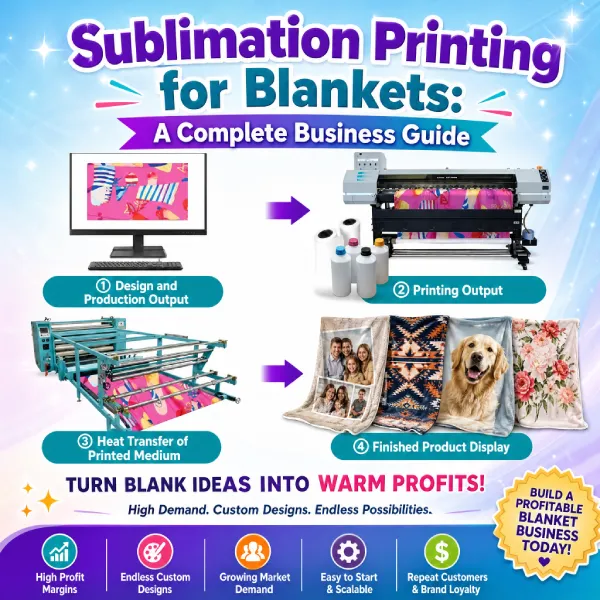
تتضمن عملية الطباعة بالتسامي أربع خطوات:
خطوة 1: خلق التصميم قم بإنشاء عملك الفني رقميًا باستخدام برنامج مثل Adobe Illustrator, برنامج كوريل درو, أو أي برنامج تصميم يقوم بتصدير ملفات عالية الدقة. ثم يتم عكس التصميم (انقلبت أفقيا) قبل الطباعة, لأنه سيتم نقله وجها لوجه على الركيزة.
خطوة 2: الطباعة على ورق نقل التسامي تتم طباعة التصميم المعكوس على ورق نقل التسامي الخاص باستخدام طابعة التسامي المحملة بحبر التسامي. في هذه المرحلة, يبدو الحبر باهتًا وخافتًا - ولا يصبح نابضًا بالحياة إلا عند تطبيق الحرارة.
خطوة 3: انتقال الحرارة يتم وضع ورق النقل المطبوع ووجهه لأسفل على الركيزة (قماش, قدح, حالة الهاتف, إلخ.) ويتم ضغطها باستخدام مكبس حراري عند درجة الحرارة والضغط الصحيحين. تتسبب الحرارة في تسامى جزيئات الحبر الصلبة إلى غاز, الذي يخترق سطح المادة.
خطوة 4: التبريد والتشطيب بمجرد اكتمال دورة الضغط الحراري (عادة 20 ثواني), يتم تقشير ورق النقل بعيدًا. كما يبرد الركيزة, يعود الغاز إلى الحالة الصلبة، وهو الآن مدمج بشكل دائم داخل المادة. والنتيجة هي حية, طباعة بالألوان الكاملة بدون حواف أو نسيج مرتفع.
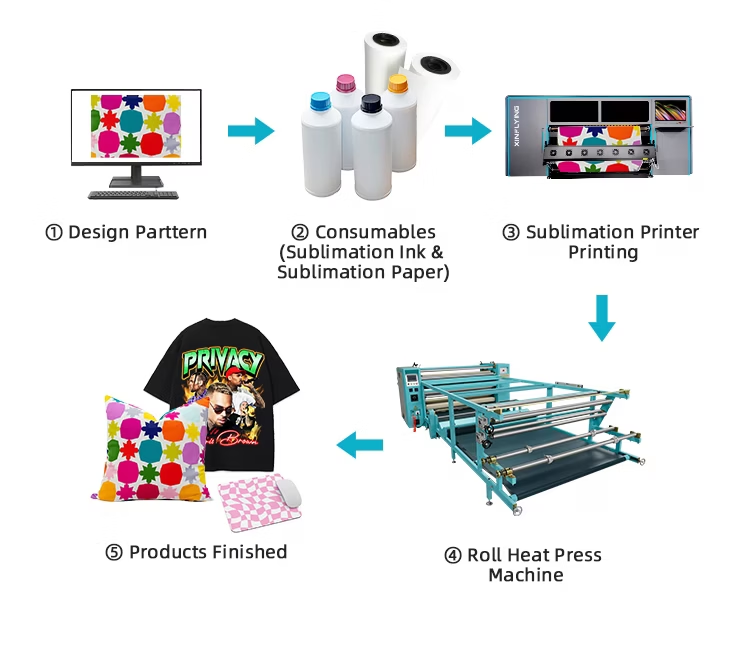
ما هي المواد التي يمكن طباعتها بالتسامي?
يعد هذا أحد أهم الأشياء التي يجب فهمها حول الطباعة بالتسامي: إنه يعمل فقط على المواد القائمة على البوليستر أو المغلفة بالبوليمر.
لأن الصبغة ترتبط بجزيئات البوليمر أثناء الطور الغازي, ولا يمكنها اختراق الألياف الطبيعية مثل 100% قطن. كلما زاد محتوى البوليستر في القماش, كلما كانت طباعة التسامي أكثر حيوية ومتانة.
تشمل المواد المتوافقة:
- نسيج البوليستر (100% أو مزيج عالي) — ملابس رياضية, ملابس رياضية, قمصان
- السلع الصلبة المغلفة بالبوليمر – الأكواب, أغلفة الجوال, سلاسل المفاتيح, البهلوانات
- الألواح المعدنية المغلفة بالبوليستر – الجوائز, لويحات, لافتات
- السيراميك مع طلاء البوليمر – لوحات, البلاط, الحلي
- النايلون والأقمشة الاصطناعية الأخرى
غير متوافق:
- 100% قطن
- ألياف طبيعية (الكتان, حرير, صوف)
- الأقمشة ذات الألوان الداكنة (حبر التسامي شفاف; ولا يمكنها تغطية الألوان الأساسية الداكنة)
- معدن غير مطلي, زجاج, أو الخشب
ما هي المنتجات الأفضل للطباعة بالتسامي?
يتم استخدام الطباعة بالتسامي عبر مجموعة واسعة من الصناعات وفئات المنتجات:
ثياب
- القمصان الرياضية والزي الرسمي للفريق
- ملابس رياضية وملابس رياضية
- ملابس السباحة والسراويل القصيرة
- هوديس مخصصة والسحابات (مزيج البوليستر)
- قمصان مطبوعة بالكامل
المنتجات الترويجية والشركات
- أكواب وفناجين قهوة حسب الطلب
- زجاجات المياه والبهلوانات
- منصات الماوس
- اسهم وحاملي الهوية
- حمل الحقائب ذات العلامات التجارية (البوليستر)
ديكور المنزل
- رمي الوسائد وأغطية الوسائد
- البطانيات والمفروشات
- لوحات الصور وفن الجدران
- الوقايات والمفارش
الجوائز واللافتات
- اللوحات المعدنية والجوائز
- جوائز الاكريليك
- ألواح الألمنيوم المركبة
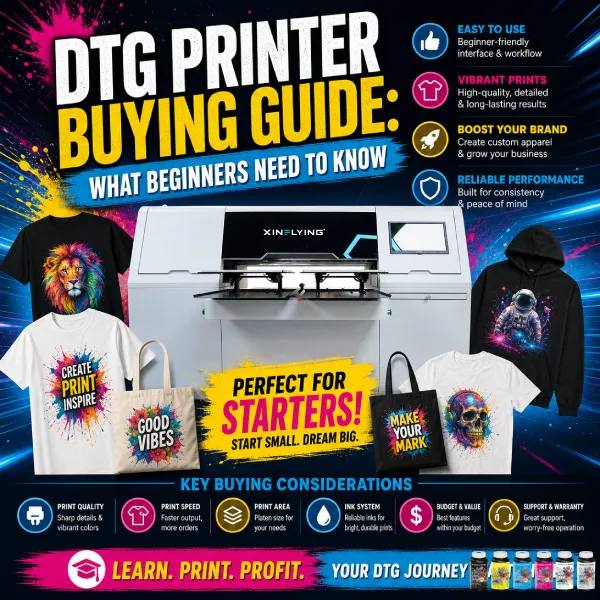
طباعة تسامي مقابل طباعة دي تي جي: ماهو الفرق?
كل من التسامي وDTG (مباشرة إلى الملابس) الطباعة هي طرق الطباعة الرقمية, لكنها تعمل بشكل مختلف تمامًا وتناسب حالات الاستخدام المختلفة.
| ميزة | الطباعة التسامي | طباعة دي تي جي |
|---|---|---|
| كيف يتم تطبيق الحبر | يتحول الحبر إلى غاز ويرتبط بألياف البوليمر | يتم رش الحبر مباشرة على سطح القماش |
| الأقمشة المتوافقة | المواد المغلفة بالبوليستر والبوليمر فقط | مزيج من القطن والقطن العالي |
| اللون على الأقمشة الداكنة | غير مناسب — الحبر شفاف | يعمل على الأقمشة الداكنة مع قاعدة سفلية بالحبر الأبيض |
| طباعة يشعر | ناعم تمامًا – بدون ملمس | نسيج طفيف من طبقة الحبر |
| متانة | متينة للغاية, لن يتشقق أو يتقشر | متين للغاية مع المعالجة المناسبة |
| تكلفة الإعداد | معتدل | معتدلة إلى عالية |
| المعالجة المسبقة مطلوبة | لا | نعم, للملابس الداكنة |
| الأفضل ل | ملابس البوليستر, ملابس رياضية, السلع الصلبة | قمصان قطنية, طباعة بناء على الطلب |
الجواب القصير: إذا كنت تطبع على البوليستر, ملابس رياضية, أو السلع الصلبة, الطباعة بالتسامي هي الخيار الأفضل. إذا كنت تطبع على القمصان القطنية بكميات صغيرة, DTG أكثر ملاءمة.
طباعة تسامي مقابل طباعة دي تي إف: الذي يجب عليك اختياره?
دتف (مباشرة إلى الفيلم) نمت الطباعة بسرعة كبديل لكل من التسامي و DTG. وإليك كيفية المقارنة بين الاثنين:
| ميزة | الطباعة التسامي | طباعة دي تي إف |
|---|---|---|
| توافق النسيج | البوليستر فقط | يعمل على أي نسيج تقريبًا |
| طباعة البضائع الصلبة | نعم (مع طلاء البوليمر) | لا |
| اللون على الأقمشة الداكنة | غير مناسب | نعم - حيوية ممتازة على الأقمشة الداكنة |
| طباعة الملمس | لا شيء - مضمن بالكامل | شعور مرتفع قليلاً |
| متانة | ممتاز | ممتاز |
| المعالجة المسبقة | غير مطلوب | غير مطلوب |
| مرونة الإنتاج | أقل مرونة | مرنة للغاية |
| الأفضل ل | ملابس البوليستر, ملابس رياضية, السلع الصلبة ذات العلامات التجارية | أنواع الأقمشة المتنوعة, الملابس الداكنة, أوامر مختلطة |
الجواب القصير: تتفوق الطباعة بالتسامي على البوليستر والسلع الصلبة. توفر طباعة DTF مزيدًا من التنوع عبر أنواع الأقمشة وألوانها - خاصة للشركات التي تتعامل مع الطلبات المختلطة أو تطبع بشكل متكرر على الملابس الداكنة.
تقوم العديد من شركات الطباعة بتشغيل كل من التسامي وDTF لتغطية النطاق الكامل لاحتياجات العملاء.
مميزات الطباعة بالسبلميشن
1. جودة طباعة استثنائية يُنتج التسامي مطبوعات صور واقعية بتدرجات سلسة, تفاصيل حادة, ولون نابض بالحياة - خاصة على البوليستر الأبيض أو الفاتح. من الصعب مطابقة جودة الطباعة مع الطرق الأخرى بنفس السعر.
2. متينة للغاية لأن الصبغة مدمجة داخل المادة بدلاً من وضعها فوقها, مطبوعات التسامي لا تتشقق, قشر, يختفي, أو يغسل. تحافظ المنتجات المتسامية بشكل صحيح على مظهرها حتى بعد مئات دورات الغسيل.
3. لا يوجد ملمس أو ملمس يدوي على عكس طباعة الشاشة, دي تي جي, أو فينيل ناقل للحرارة, مطبوعات التسامي غير مرئية تمامًا عند اللمس. يحتفظ القماش بنعومته الأصلية, وهو أمر مهم بشكل خاص للملابس الرياضية وملابس الأداء.
4. لا حاجة للعلاج المسبق على عكس طباعة DTG, لا يتطلب التسامي أي معالجة مسبقة للملابس قبل الطباعة. يؤدي ذلك إلى تبسيط سير العمل وتقليل تكاليف كل وحدة.
5. طباعة بالألوان الكاملة بدون حدود للألوان التسامي يدعم ألوان غير محدودة, التدرجات الفوتوغرافية, والأعمال الفنية المعقدة دون أي تكلفة إضافية لكل لون، على عكس طباعة الشاشة, حيث يزيد كل لون إضافي من التكلفة.
6. القدرة على الطباعة الشاملة يعتبر التسامي مثاليًا لتصميمات الطباعة الشاملة التي تغطي الملابس بالكامل من التماس إلى التماس, بما في ذلك الأكمام والألواح، وهو أمر يصعب أو مكلف تحقيقه باستخدام طرق أخرى.
حدود الطباعة بالتسامي
1. متطلبات البوليستر التسامي يعمل بشكل فعال فقط على البوليستر (أو المغلفة بالبوليمر) مواد. لخطوط الإنتاج الثقيلة القطن, تعد طباعة DTG أو DTF مناسبة بشكل أفضل.
2. الأقمشة ذات الألوان الفاتحة فقط لأن حبر التسامي شفاف, ولا يمكنها إنتاج ألوان نابضة بالحياة على الأقمشة الداكنة أو السوداء. تمتزج الصبغة مع اللون الأساسي للمادة، فطباعة اللون الأصفر على قطعة ملابس زرقاء داكنة لن تنتج لونًا أصفر نظيفًا.
3. الحبر الأبيض غير ممكن لا يمكن للطباعة بالتسامي أن تنتج اللون الأبيض “أبيض” في التصميم هي ببساطة المنطقة غير المطبوعة من الركيزة. هذا هو السبب وراء الحاجة إلى ركائز البوليستر البيضاء أو ذات الألوان الفاتحة.
4. دقة اللون تعتمد على الركيزة يمكن أن يبدو نفس التصميم مختلفًا قليلاً عند طباعته على خلائط أو ركائز مختلفة من البوليستر. يعد تحديد ملفات تعريف الألوان المتسقة واختبار الركيزة أمرًا مهمًا للحفاظ على الجودة عبر خطوط الإنتاج.
ما هي المعدات التي تحتاجها للطباعة بالتسامي؟?
يتطلب بدء عملية الطباعة بالتسامي أربع قطع أساسية من المعدات:
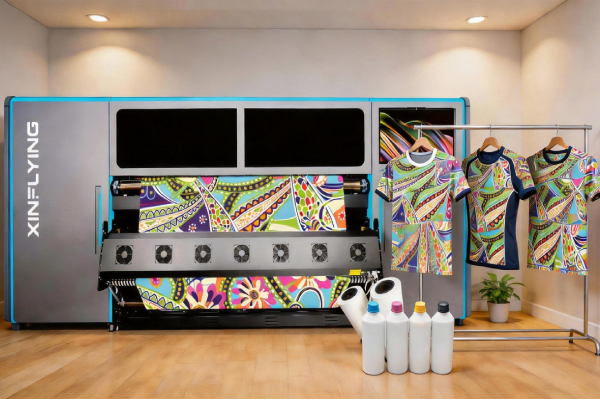
1. طابعة التسامي طابعة ذات تنسيق عريض أو طابعة مكتبية تم تحويلها أو تصميمها لحبر التسامي. تتراوح عروض الطباعة الشائعة من A3 (11.7″) للعمل صغير الحجم إلى 64″ (162سم) لإنتاج تنسيق واسع. ابحث عن الطرز المزودة برؤوس طباعة Epson i3200 أو DX5 للحصول على مخرجات موثوقة.
2. حبر التسامي يلزم وجود أحبار تسامي متخصصة - لن تتسامى أحبار نفث الحبر القياسية. تؤثر جودة الحبر بشكل مباشر على حيوية الألوان ونطاقها. ينتج حبر التسامي عالي الجودة أكثر ثراءً, ألوان أكثر دقة ونتائج تدوم لفترة أطول.
3. ورقة نقل التسامي يتم تغليف ورق التسامي المصنوع خصيصًا للاحتفاظ بالحبر حتى اكتمال النقل. يعد استخدام الورق المناسب للعلامة التجارية للحبر والطابعة أمرًا مهمًا لمنع النزيف وضمان إطلاق لون نظيف.
4. الصحافة الحرارية يتم استخدام مكبس حراري مسطح للنسيج والسلع الصلبة المسطحة. للعناصر الأسطوانية (أكواب, زجاجات), مطلوب الصحافة القدح. للقبعات, هناك حاجة إلى ملحق ضغط الغطاء. تعتبر دقة درجة الحرارة وحتى ضغط الصوانى أمرًا بالغ الأهمية للحصول على نتائج متسقة.
هل الطباعة بالتسامي مناسبة لشركتك؟?
تعتبر الطباعة بالتسامي خيارًا ممتازًا إذا:
- منتجاتك الأساسية هي الملابس المصنوعة من البوليستر, ملابس رياضية, أو ملابس رياضية
- أنت تنتج سلعًا صلبة مخصصة مثل الأكواب, البهلوانات, أو حالات الهاتف
- أنت بحاجة إلى إمكانية الطباعة الشاملة لتصميمات الملابس ذات التغطية الكاملة
- تريد حيوية, مطبوعات متينة بدون ملمس أو ملمس يدوي
- أنت تقوم بالطباعة على ركائز بيضاء أو فاتحة اللون
فكر في طباعة DTF أو DTG بدلاً من ذلك:
- يطلب عملاؤك في المقام الأول القمصان أو السترات القطنية
- كثيرًا ما تقوم بالطباعة على الملابس الداكنة أو السوداء
- أنت بحاجة إلى أقصى قدر من المرونة في الركيزة عبر أنواع الأقمشة المختلطة
الأسئلة المتداولة حول الطباعة بالتسامي
س: ما هي الطباعة التسامي المستخدمة ل?
أ: يتم استخدام الطباعة بالتسامي لإنتاج الملابس المخصصة (قمصان, ملابس رياضية, تيشيرتات مطبوعة بالكامل), السلع الصلبة الترويجية (أكواب, أغلفة الجوال, البهلوانات), ديكور المنزل (الوسائد, البطانيات, فن الجدار), والجوائز أو اللافتات على ركائز مغلفة بالبوليمر.
س: هل تعمل الطباعة بالتسامي على القطن؟?
أ: لا. يرتبط حبر التسامي بجزيئات البوليمر ولا يمكنه اختراق الألياف الطبيعية مثل القطن. لطباعة القطن, تعتبر طباعة DTG أو DTF هي التقنية المناسبة. الحد الأدنى من 65% يوصى باستخدام محتوى البوليستر للحصول على نتائج تسامي مقبولة; 100% ينتج البوليستر المخرجات الأكثر حيوية.
س: كم من الوقت تستمر مطبوعات التسامي?
أ: عندما يتم إنتاجها بشكل صحيح على مواد متوافقة, مطبوعات التسامي متينة للغاية. إنهم لا يتصدعون, قشر, أو تتلاشى بشكل ملحوظ حتى بعد مئات دورات الغسيل. يتم تضمين الطباعة داخل الألياف, لا يجلس فوقه, مما يمنحها ثباتًا فائقًا للغسيل مقارنة بمعظم طرق الطباعة الأخرى.
س: هل الطباعة بالتسامي هي نفس الطباعة بالنقل الحراري؟?
أ: لا, على الرغم من أن كلاهما يستخدم الضغط الحراري. في الطباعة بالنقل الحراري, يتم ضغط التصميم المطبوع على ورق النقل على سطح المادة ويظل في الأعلى كطبقة. في الطباعة التسامي, يتحول الحبر إلى غاز ويرتبط بشكل دائم داخل المادة - فلا توجد طبقة سطحية ولا نسيج.
س: هل يمكن إجراء الطباعة بالتسامي في المنزل؟?
أ: نعم. إعدادات التسامي للمبتدئين باستخدام طابعة سطح المكتب مقاس A3, الصحافة الحرارية الأساسية, وورق التسامي متاح تحت $1,000 ويتم استخدامها بشكل شائع من قبل الشركات الصغيرة والهواة.
س: ما الفرق بين طباعة التسامي وطباعة الشاشة?
أ: تطبق طباعة الشاشة الحبر على الجزء العلوي من القماش من خلال شاشة شبكية, حيث يتطلب كل لون شاشة منفصلة. أنها فعالة من حيث التكلفة لدفعات كبيرة من التصاميم البسيطة. الطباعة بالتسامي هي عملية رقمية بالكامل بدون شاشات أو رسوم إعداد, يدعم ألوان غير محدودة, وتنتج مطبوعات مدمجة داخل القماش بدلاً من وضعها على السطح.
جاهز لبدء الطباعة بالتسامي?
سواء كنت تطلق مشروعًا تجاريًا مخصصًا للملابس أو توسع عملية طباعة حالية, تقدم Xinflying مجموعة كاملة من طابعات التسامي مصممة لكل من مستوى الدخول والإنتاج الصناعي.
لست متأكدًا من طابعة التسامي التي تناسب احتياجاتك? اتصل بفريقنا وسنساعدك في العثور على الحل المناسب لحجم إنتاجك ومجموعة منتجاتك.