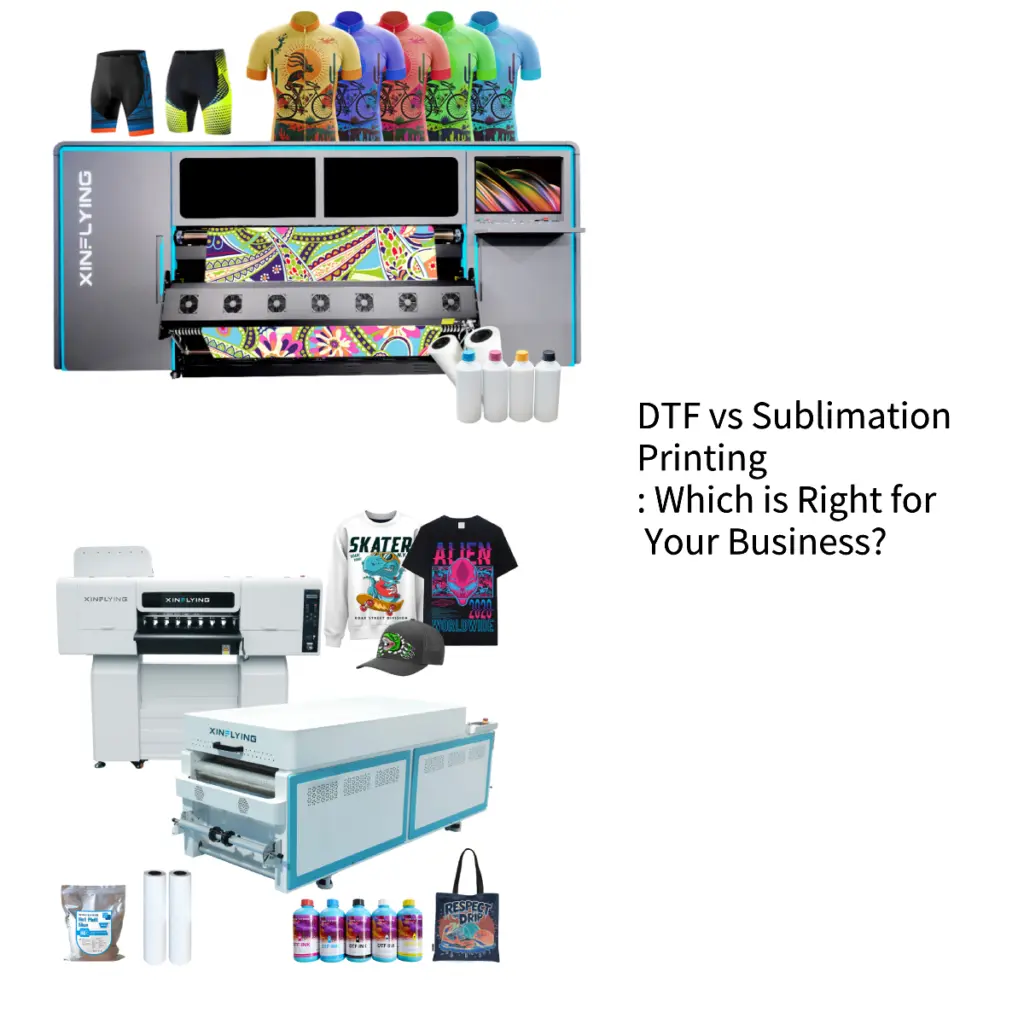
Hai trong số những công nghệ phát triển nhanh nhất trong ngành in tùy chỉnh là Direct to Film (DTF) và in thăng hoa thuốc nhuộm. Cả hai đều có thể tạo ra sự sống động, thiết kế đầy màu sắc. Cả hai đều linh hoạt hơn nhiều so với in lụa truyền thống. Và cả hai đều có thể truy cập đủ cho các cửa hàng nhỏ cũng như cơ sở sản xuất lớn.
Nhưng chúng không thể thay thế cho nhau — và việc chọn sai sản phẩm cho doanh nghiệp của bạn có thể đồng nghĩa với việc đầu tư vào thiết bị không phù hợp với đơn đặt hàng của bạn, khách hàng của bạn, hoặc lợi nhuận của bạn.
Hướng dẫn này phân tích DTF và in thăng hoa trên mọi khía cạnh quan trọng đối với quyết định kinh doanh: chất nền, chất lượng in, cài đặt, trị giá, Độ bền, và trường hợp sử dụng lý tưởng. Đến cuối, bạn sẽ biết chính xác công nghệ nào — hoặc sự kết hợp của cả hai — thuộc về cửa hàng của bạn.
Là gì In DTF?
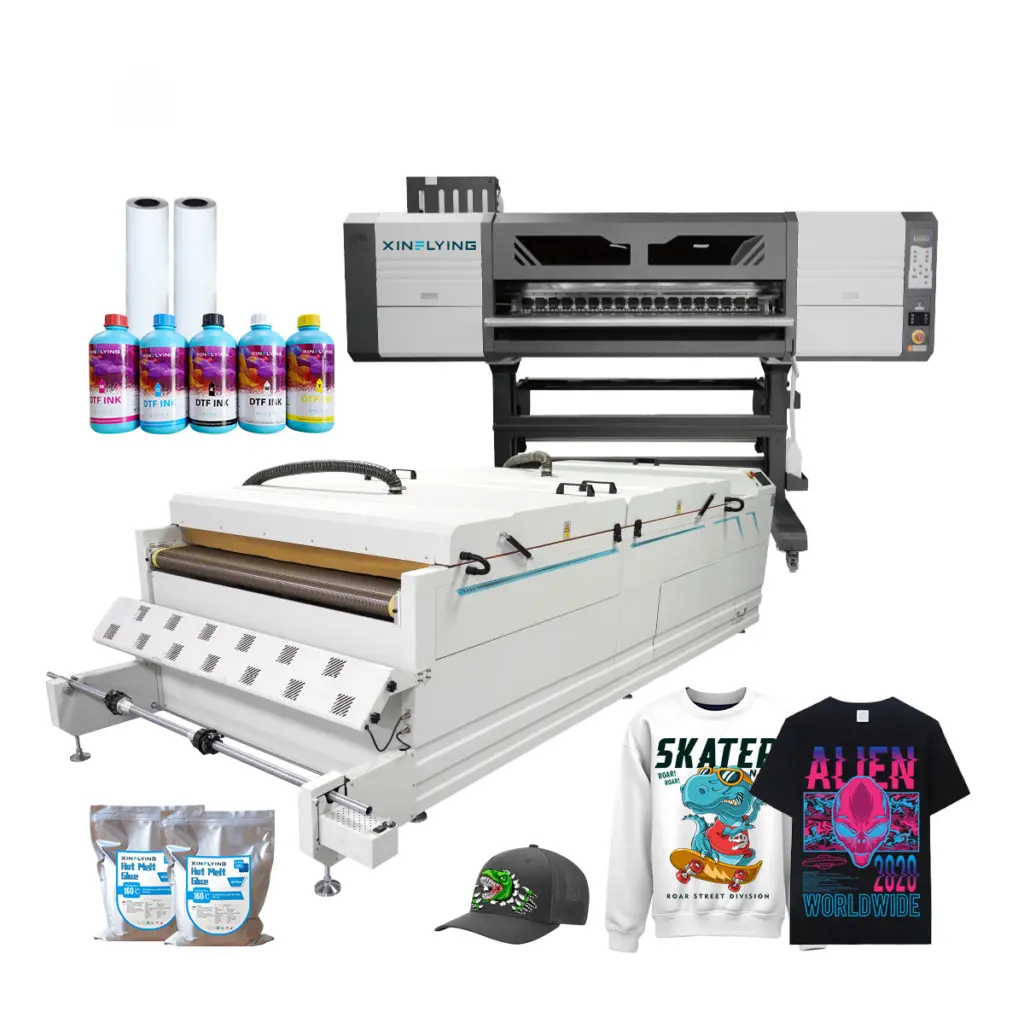
Trực tiếp tới phim (DTF) in ấn là quá trình in thiết kế lên màng PET đặc biệt bằng mực bột màu (CMYK + Trắng), phủ bột keo nóng chảy, đã khỏi bệnh, và sau đó được chuyển sang vải bằng máy ép nhiệt.
Đặc điểm chính của DTF là thiết kế được tạo ra trên phim trước tiên, sau đó áp dụng cho quần áo - có nghĩa là nó có thể bám vào hầu hết mọi loại vải bất kể hàm lượng sợi hay màu sắc.
Quy trình hoạt động như thế nào:
- Thiết kế được in trên phim DTF PET (lớp màu đầu tiên, rồi mực trắng bên dưới)
- Bột keo nóng chảy được áp dụng trong khi mực vẫn còn ướt
- Phim được xử lý trong lò hoặc máy ép nhiệt để làm tan bột
- Chất chuyển được ép lên quần áo ở nhiệt độ 160°C trong 6–10 giây
- Phim đã được bóc vỏ (nóng hoặc lạnh tùy theo loại phim)
Là gì In thăng hoa?
In thăng hoa bằng thuốc nhuộm hoạt động dựa trên nguyên lý hóa học hoàn toàn khác. Mực thăng hoa được in trên giấy chuyển đặc biệt, sau đó ép lên bề mặt ở nhiệt độ cao (220°C). Ở nhiệt độ đó, mực chuyển từ dạng rắn sang dạng khí và liên kết vĩnh viễn với các sợi polymer của vật liệu.
Vì mực sẽ trở thành một phần của vải chứ không phải nằm trên vải, thăng hoa tạo ra một sự mềm mại độc đáo, cảm giác thoáng khí không có kết cấu trên bề mặt.
Quy trình hoạt động như thế nào:
- Thiết kế được in trên giấy chuyển thăng hoa
- Giấy được đặt úp xuống trên đế
- Máy ép nhiệt áp dụng ở nhiệt độ 220°C 20 giây
- Giấy được bóc ra để lộ giấy chuyển thành công
So sánh trực tiếp
1. Vải vóc & Khả năng tương thích chất nền
Đây là điểm khác biệt lớn nhất giữa hai công nghệ.
DTF:
- Hoạt động trên bông, polyester, nylon, vải jean, da thú, Tranh sơn dầu, lông cừu, và pha trộn
- Hoạt động trên cả vải sáng VÀ tối (lớp mực trắng cung cấp độ mờ)
- Hoạt động trên vật liệu co giãn và đàn hồi
- Không cần xử lý trước vải
- Cũng hoạt động trên các mặt hàng không phải vải như túi xách, đôi giày, và các bản vá lỗi
Thăng hoa:
- Hoạt động tốt nhất trên polyester (95%+ hàm lượng polyester để có kết quả tốt nhất)
- Hoạt động trên nền cứng phủ polyester: cốc, trường hợp điện thoại, tấm kim loại, gạch gốm
- KHÔNG hoạt động trên bông (mực không có gì để liên kết với)
- KHÔNG hoạt động trên các loại vải tối màu (mực thăng hoa trong suốt - màu nhạt trên nền tối)
- Không sử dụng mực trắng; bản thân vải phải có màu trắng hoặc rất nhẹ
Phán quyết: DTF thắng nhờ tính linh hoạt của vải. Thăng hoa thắng trên chất nền cứng.
2. Chất lượng in & Đầu ra màu
DTF:
- Sản xuất phong phú, màu sắc rực rỡ với chi tiết tuyệt vời
- Mực trắng tạo nền vững chắc giúp màu sắc nổi bật trên quần áo tối màu
- Kết cấu nhẹ/cảm giác tay trên bề mặt in
- Các chi tiết đẹp và độ chuyển màu được tái tạo tốt ở mức 600–1200 dpi
Thăng hoa:
- Sản xuất đặc biệt, đầu ra chất lượng ảnh trên polyester trắng
- Màu sắc là một phần của vải - hoàn toàn mịn, không có kết cấu bề mặt
- Mềm mại, cảm giác thoáng khí - bạn hoàn toàn không thể cảm nhận được thiết kế
- Độ dốc và hình ảnh chụp ảnh trông tuyệt đẹp
- Màu sắc có vẻ hơi nhạt trên nền không phải màu trắng
Phán quyết: Thăng hoa vượt trội so với DTF về chất lượng in tinh khiết cho polyester trắng. DTF là lựa chọn duy nhất cho quần áo tối màu và vải cotton.
3. Độ bền & Độ bền giặt
DTF:
- Quá trình chuyển DTF được thực hiện tốt có thể chịu được hơn 40–50 chu kỳ giặt
- Các thông số xử lý và ép thích hợp là rất cần thiết cho độ bền
- Có thể bị nứt hoặc bong tróc theo thời gian nếu bột kết dính hoặc cách ép không tối ưu
- Có thể phai màu nhẹ sau nhiều lần giặt, Đặc biệt với mực chất lượng thấp
Thăng hoa:
- Vì mực được nhúng vào sợi, về cơ bản nó là vĩnh viễn
- Sẽ không bị nứt, bóc, hoặc phai màu khi giặt thông thường
- Màu sắc có thể thay đổi một chút nếu giặt ở nhiệt độ rất cao
- Độ bền lâu dài vượt quá DTF trong hầu hết các điều kiện
Phán quyết: Thăng hoa bền hơn, đặc biệt là đối với đồ thể thao và những đồ cần giặt thường xuyên.
4. Cài đặt & Thiết bị
Thiết lập DTF:
- máy in DTF (Giấy A3 để bàn hoặc giấy cuộn thương mại)
- phần mềm RIP (máy chủ, In ảnh, hoặc tương tự)
- Bột kết dính nóng chảy
- Phim PET DTF
- Máy lắc bột và lò sấy (tích hợp trong các mô hình thương mại)
- Máy ép nhiệt
Thiết lập thăng hoa:
- Máy in thăng hoa (đã chuyển đổi Epson hoặc định dạng rộng được xây dựng có mục đích)
- Mực thăng hoa
- Giấy chuyển thăng hoa
- Máy ép nhiệt (máy ép phẳng cho hàng may mặc, cốc ép cho cốc, vân vân.)
- Khoảng trống polyester trắng (thăng hoa đòi hỏi chất nền cụ thể)
Đường cong học tập: Cả hai công nghệ đều cần một khoảng thời gian hiệu chỉnh và học hỏi. DTF có đường cong ban đầu dốc hơn do duy trì mực trắng và sử dụng bột. Quá trình thăng hoa diễn ra dễ dàng hơn hàng ngày nhưng đòi hỏi nguồn cung ứng vải và chất nền nghiêm ngặt.
Phán quyết: Thăng hoa có quy trình làm việc hàng ngày đơn giản hơn. DTF yêu cầu bảo trì tích cực hơn.
5. Đơn hàng tối thiểu & Tính linh hoạt
DTF:
- Có lợi nhuận từ 1 cái
- Không có yêu cầu đặt hàng tối thiểu
- Mỗi thiết kế có thể khác nhau mà không mất thêm chi phí
- Lý tưởng cho các đơn hàng theo yêu cầu và số lượng nhỏ
Thăng hoa:
- Cũng có lãi từ 1 cái
- Mỗi thiết kế có thể khác nhau
- In vải thường được thực hiện ở dạng cuộn đầy đủ (in toàn bộ), hoạt động tốt hơn ở số lượng cao hơn
- Không có mức tối thiểu đối với quần áo cắt mảnh hoặc chất nền cứng
Phán quyết: Tie - cả hai công nghệ đều hỗ trợ sản xuất đơn chiếc và không tối thiểu.
6. In toàn bộ
Đây là thể loại mà sự thăng hoa rõ ràng dẫn đầu.
Thăng hoa là công nghệ tiên tiến dành cho quần áo in toàn thân — áo thi đấu thể thao, quần legging, đồ bơi tùy chỉnh, và những món đồ thời trang có thiết kế kéo dài đến từng đường may. Máy in thăng hoa khổ rộng có thể in cuộn vải lên đến 64 rộng inch, sau đó được cắt và may thành quần áo thành phẩm.
DTF được sử dụng để in vị trí - thiết kế áp dụng cho một khu vực cụ thể của quần áo hiện có (ngực, tay áo, mặt sau). Về mặt kỹ thuật có thể in DTF toàn bộ nhưng hiếm, vì nó đòi hỏi sự chuyển giao rất lớn và chi phí kết dính cao.
Phán quyết: Thăng hoa là người chiến thắng rõ ràng cho việc in ấn toàn bộ. DTF dùng để in vị trí trên hàng may mặc thành phẩm.
Tóm tắt song song
| Tính năng | DTF | Thăng hoa |
|---|---|---|
| Khả năng tương thích bông | ✅ Có | ❌ Không |
| In vải tối màu | ✅ Có | ❌ Không |
| In polyester | ✅ Có | ✅ Có (kết quả tốt nhất) |
| In nền cứng | ⚠️ Có giới hạn | ✅ Có |
| In ấn toàn diện | ❌ Không thực tế | ✅ Có |
| Độ bền in | ✅ Tốt (40–50 lần giặt) | ✅ Tuyệt vời (Vĩnh viễn) |
| Cảm giác bề mặt | kết cấu nhẹ | Hoàn toàn trơn tru |
| Chi phí tiêu hao | Trung bình | Thấp |
| Đầu tư thiết bị | Trung bình-Cao | Thấp-Trung bình |
| Bảo trì hàng ngày | Cao hơn | Thấp hơn |
| tối thiểu. kích thước đặt hàng | 1 cái | 1 cái |
Công nghệ nào phù hợp với doanh nghiệp của bạn?
Chọn DTF nếu bạn:
- Điều hành một cửa hàng quần áo tùy chỉnh nói chung phục vụ nhiều loại quần áo, màu sắc, và vải
- Nhận đơn hàng thường xuyên quần áo tối màu — áo phông màu đen và xanh nước biển là những chiếc áo được yêu cầu nhiều nhất, và sự thăng hoa đơn giản là không thể xử lý được chúng
- Muốn cung cấp không có mức tối thiểu, In theo yêu cầu không cần khách hàng mua loại trống cụ thể
- In trên trang phục thể thao, túi xách, mũ, hoặc phụ kiện làm từ vải hỗn hợp
- Đang chuyển từ in màn hình và muốn giữ chân khách hàng hiện tại của mình bằng công nghệ linh hoạt hơn
Chọn thăng hoa nếu bạn:
- Chuyên quần áo thể thao polyester màu trắng - áo thi đấu của đội, bộ dụng cụ đi xe đạp, mặc yoga, đồ bơi
- Bán sản phẩm nền cứng - cốc tùy chỉnh, trường hợp điện thoại, in kim loại, gạch gốm, hoặc tấm ảnh
- Tập trung vào thời trang in toàn thân nơi thiết kế bao trùm toàn bộ trang phục
- Ưu tiên độ bền của bản in hơn tất cả - bản in thăng hoa về cơ bản là vĩnh viễn
- Muốn chi phí tiêu hao thấp nhất có thể ở quy mô
Chạy cả hai nếu bạn:
Nhiều doanh nghiệp in ấn thành công vận hành cả hai công nghệ song song. DTF xử lý vải tối màu, bông, và đơn hàng sợi hỗn hợp. Thăng hoa xử lý các đơn đặt hàng in toàn bộ polyester và chất nền cứng. Cùng nhau, chúng bao gồm hầu hết mọi trường hợp sử dụng in ấn tùy chỉnh mà không bị chồng chéo và lãng phí tối thiểu.
Thế còn DTG?
Trực tiếp đến may mặc (DTG) in ấn là công nghệ thứ ba thường xuất hiện trong sự so sánh này. Tóm tắt:
- DTG in trực tiếp lên quần áo cotton với độ mềm mại và thoáng khí tuyệt vời
- Nó đòi hỏi phải xử lý trước vải và hoạt động tốt nhất trên các chất liệu có hàm lượng bông cao
- Chi phí mực cho mỗi bản in cao hơn cả DTF và thăng hoa
- Lý tưởng cho ngắn hạn, bản in cotton chất lượng cao trong đó cảm giác cũng quan trọng như màu sắc
DTG chiếm một vị trí thích hợp giữa DTF và thăng hoa cho các ứng dụng bông cao cấp. Đối với hầu hết các cửa hàng bắt đầu, DTF cung cấp tính linh hoạt tốt hơn với chi phí thấp hơn.
Câu hỏi thường gặp
Q: Có thể áp dụng chuyển DTF cho phôi thăng hoa không? MỘT: Đúng, Chuyển DTF có thể được áp dụng cho chất nền cứng được phủ polyester, nhưng với kết quả khác nhau. Thăng hoa vẫn là phương pháp ưa thích đối với chất nền cứng được thiết kế cho lớp phủ thăng hoa.
Q: Mực thăng hoa có thể giặt được không? MỘT: Có - vì mực thăng hoa liên kết hóa học với sợi polyester, nó sẽ không bị rửa trôi trong điều kiện bình thường. Nó có khả năng chống rửa tốt hơn đáng kể so với DTF.
Q: Tôi có cần một máy in đặc biệt để thăng hoa không? MỘT: Đúng. Thăng hoa yêu cầu máy in thăng hoa chuyên dụng hoặc máy in phun Epson được chuyển đổi bằng mực thăng hoa. Không thể sử dụng máy in mực màu hoặc thuốc nhuộm tiêu chuẩn.
Q: Tôi có thể chuyển đổi máy in DTF của mình để thăng hoa không? MỘT: KHÔNG. DTF và thăng hoa sử dụng các chất hóa học mực khác nhau về cơ bản và yêu cầu phần cứng khác nhau. Chúng không thể thay thế cho nhau.
Q: Công nghệ nào có tỷ suất lợi nhuận trên mỗi bản in cao hơn? MỘT: Nó phụ thuộc vào mô hình định giá của bạn. Thăng hoa có chi phí tiêu hao thấp hơn, giúp cải thiện tỷ suất lợi nhuận trên quy mô lớn. DTF cho phép định giá cao cho các đơn hàng nhỏ và hàng may mặc tối màu khi không có công nghệ thay thế, có thể tạo ra lợi nhuận cao ngay cả với chi phí tiêu thụ cao hơn.
Phần kết luận
DTF và in thăng hoa là những công nghệ bổ sung, không phải đối thủ cạnh tranh. Sự lựa chọn đúng đắn phụ thuộc gần như hoàn toàn vào những gì khách hàng của bạn đang đặt hàng.
Nếu bạn đang phục vụ một thị trường may mặc theo yêu cầu rộng rãi — áo thun cotton, quần áo tối màu, vải hỗn hợp, đơn đặt hàng lô nhỏ - DTF là nền tảng của bạn. Nếu bạn đang nhắm mục tiêu đến trang phục thể thao, thời trang in toàn thân, hoặc chất nền cứng - thăng hoa là công cụ tốt hơn.
Dành cho các cửa hàng muốn phục vụ nhiều đối tượng khách hàng nhất có thể mà không cần thỏa hiệp, chạy cả hai công nghệ là một chiến lược đã được chứng minh rõ ràng giúp loại bỏ nhu cầu từ chối bất kỳ đơn đặt hàng nào.
Bài viết liên quan: