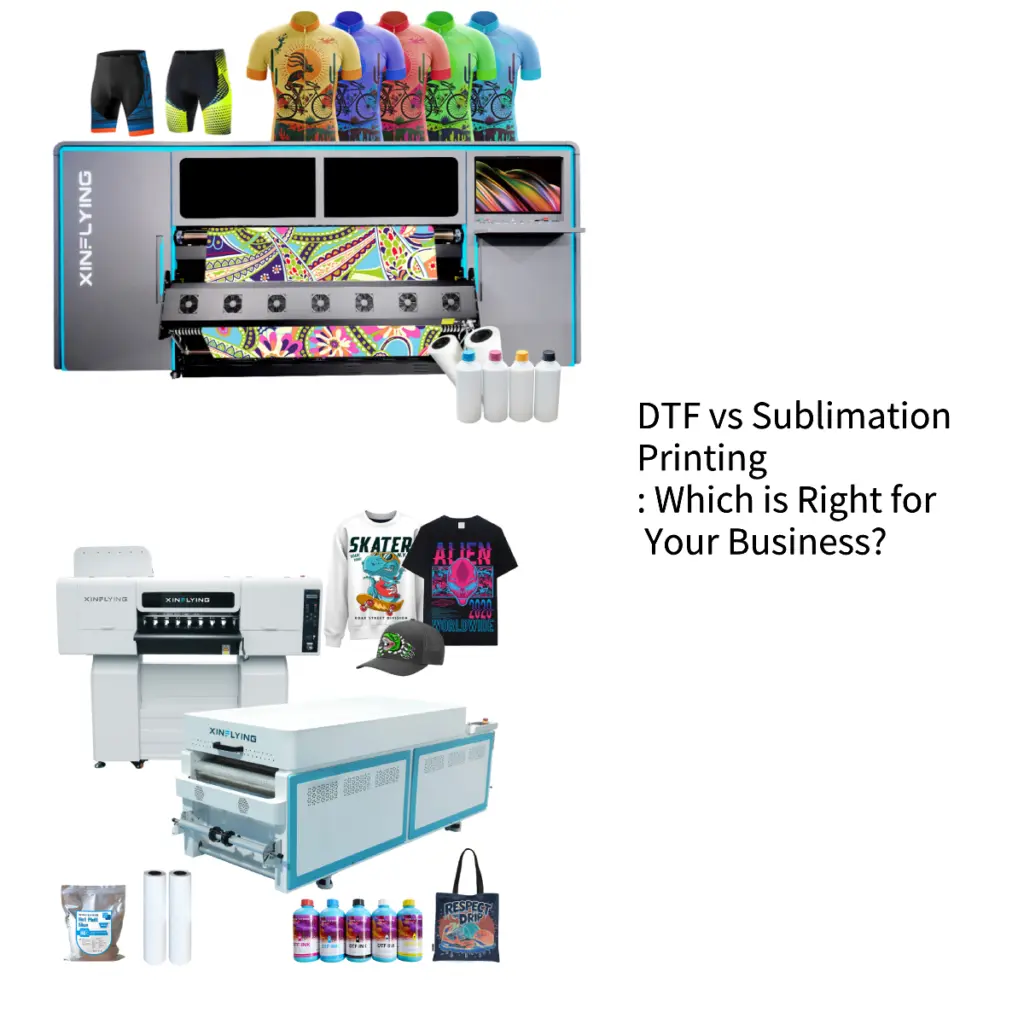
Дві найшвидше розвиваються технології в індустрії друку на замовлення – Direct to Film (DTF) і сублімаційний друк. Обидва можуть створювати яскраві, повнокольорові дизайни. Обидва вони набагато гнучкіші, ніж традиційний трафаретний друк. І обидва досить доступні як для невеликих магазинів, так і для великих виробничих потужностей.
Але вони не взаємозамінні — і вибір невідповідного для вашого бізнесу може означати інвестування в обладнання, яке не відповідає вашим замовленням, ваших клієнтів, або ваші поля.
Цей посібник розбиває DTF і сублімаційний друк за всіма параметрами, які мають значення для прийняття бізнес-рішення: підкладки, якість друку, налаштування, вартість, довговічність, і ідеальні випадки використання. До кінця, ви точно знатимете, яка технологія — або комбінація обох — належить до вашого магазину.
Що Є Друк DTF?
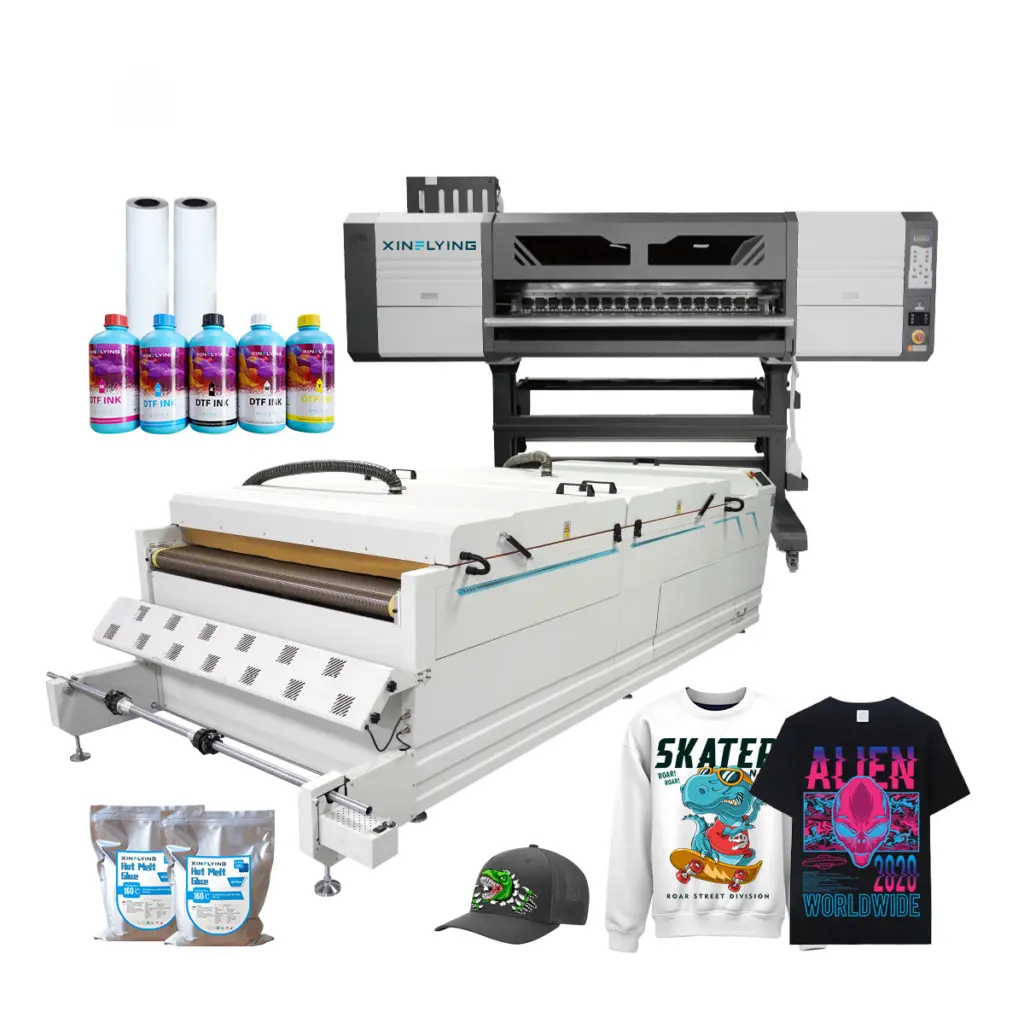
Прямо до фільму (DTF) друк — це процес друкування дизайну на спеціальній ПЕТ-плівці за допомогою пігментних чорнил (CMYK + Білий), покритий термоплавким клейовим порошком, вилікуваний, а потім переноситься на тканину за допомогою термопреса.
Ключовою характеристикою DTF є те, що дизайн спочатку створюється на плівці, потім наноситься на одяг — це означає, що він може приклеюватися практично до будь-якого типу тканини, незалежно від вмісту волокон або кольору.
Як працює процес:
- Дизайн надрукований на ПЕТ-плівці DTF (спочатку кольорові шари, потім біле чорнило знизу)
- Порошок термоплавкого клею наноситься, поки чорнило ще вологе
- Плівка затверджується в печі або термопресі для розплавлення порошку
- Трансфер притискається до одягу при 160°C протягом 6–10 секунд
- Плівка знімається (гаряча або холодна залежно від типу плівки)
Що Є Сублімаційний друк?
Сублімаційний друк працює на зовсім іншому хімічному принципі. Сублімаційне чорнило друкується на спеціальному трансферному папері, потім натискають на підкладку при сильному нагріванні (220°C). При такій температурі, чорнило перетворюється з твердого стану на газоподібний і назавжди зв’язується з полімерними волокнами матеріалу.
Оскільки чорнило стає частиною тканини, а не сидить на ній, сублімація виробляє унікально м'який, відчуття дихання без текстури на поверхні.
Як працює процес:
- Дизайн друкується на сублімаційному трансферному папері
- Папір кладеться на підкладку лицьовою стороною вниз
- Термопрес застосовує 220°C для 20 секунди
- Папір знімають, щоб побачити готову передачу
Пряме порівняння
1. Тканина & Сумісність субстрату
Це найбільша відмінність двох технологій.
DTF:
- Працює на бавовні, поліестер, нейлон, джинсовий, шкіра, полотно, фліс, і суміші
- Працює як на світлих, так і на темних тканинах (шар білого чорнила забезпечує непрозорість)
- Працює на еластичних і еластичних матеріалах
- Попередня обробка тканини не потрібна
- Також працює на нетканинних речах, таких як сумки, взуття, і патчі
Сублімація:
- Найкраще працює на поліестері (95%+ вміст поліестеру для найкращих результатів)
- Працює на твердих основах з поліефірним покриттям: гуртки, чохли для телефонів, металеві панелі, керамічна плитка
- НЕ працює на бавовні (чорнило не має з чим зв’язуватися)
- НЕ працює на темних тканинах (сублімаційні чорнила прозорі — кольори розмиваються на темному тлі)
- Біле чорнило не використовується; сама тканина повинна бути білою або дуже світлою
Вердикт: DTF виграє завдяки універсальності тканини. Сублімація виграє на твердих підкладках.
2. Якість друку & Кольоровий вихід
DTF:
- Виробляє багато, яскраві кольори з чудовою деталізацією
- Біле чорнило створює тверду основу, завдяки якій кольори виділяються на темному одязі
- Легка текстура/відчуття руки на поверхні друку
- Дрібні деталі та градієнти добре відтворюються при роздільній здатності 600–1200 dpi
Сублімація:
- Produces exceptional, photographic-quality output on white polyester
- Colors are part of the fabric — completely smooth, no surface texture
- М'які, breathable feel — you cannot feel the design at all
- Gradients and photographic images look stunning
- Colors appear slightly muted on non-white backgrounds
Вердикт: Sublimation edges out DTF on pure print quality for white polyester. DTF is the only option for dark garments and cotton.
3. Довговічність & Wash Fastness
DTF:
- Well-executed DTF transfers withstand 40–50+ wash cycles
- Proper curing and pressing parameters are essential for durability
- Can crack or peel over time if adhesive powder or pressing is suboptimal
- Slight fading possible after many washes, especially with low-quality ink
Сублімація:
- Since the ink is embedded in the fiber, it is essentially permanent
- Will not crack, відшаровувати, or fade with normal washing
- При пранні при дуже високій температурі кольори можуть дещо змінитися
- Довгострокова міцність перевищує DTF у більшості умов
Вердикт: Сублімація більш довговічна, особливо для спортивного одягу та речей, які підлягають частому пранню.
4. Налаштування & Обладнання
Налаштування DTF:
- DTF принтер (A3 настільний або комерційний рулон)
- програмне забезпечення RIP (maintop, Фотодрук, або подібні)
- Порошок термоплавкого клею
- ДТФ ПЕТ плівка
- Шейкер для порошків і піч для затвердіння (інтегровані в комерційні моделі)
- Термічний прес
Налаштування сублімації:
- Сублімаційний принтер (перетворений Epson або спеціально створений широкоформатний)
- Сублімаційні чорнило
- Сублімаційний трансферний папір
- Термічний прес (плоский прес для одягу, прес для чашок, тощо)
- Білі поліестерові заготовки (для сублімації потрібні специфічні субстрати)
Крива навчання: Обидві технології вимагають періоду калібрування та навчання. DTF має крутішу ранню криву завдяки підтримці білого чорнила та нанесенню порошку. Сублімація є більш поблажливою щодня, але вимагає суворого вибору тканини та підкладки.
Вердикт: Сублімація має простіший щоденний робочий процес. DTF вимагає більш активного обслуговування.
5. Мінімальне замовлення & Гнучкість
DTF:
- Вигідно від 1 шматок
- Немає вимог щодо мінімального замовлення
- Кожен дизайн може відрізнятися без додаткових витрат
- Ідеально підходить для замовлень на вимогу та малих партій
Сублімація:
- Також вигідно від 1 шматок
- Кожен дизайн може бути різним
- Друк на тканині часто виконується повними рулонами (повний принт), який краще працює при більших кількостях
- Немає мінімумів для вирізаного одягу або твердих підкладок
Вердикт: Краватка — обидві технології підтримують одноразове виробництво без мінімуму.
6. Всесвітній друк
Це категорія, де сублімація явно лідирує.
Сублімація це головна технологія для одягу з повним принтом — спортивної майки, легінси, купальники на замовлення, і модні вироби, де дизайн розширюється до швів. Широкоформатні сублімаційні принтери можуть друкувати рулони тканини до 64 дюймів шириною, які потім розрізають і зшивають у готовий одяг.
DTF використовується для розміщення принтів — малюнків, нанесених на певну ділянку існуючого одягу (груди, рукав, назад). Технічно можливий повний друк DTF, але рідко, оскільки це вимагає дуже великих переказів і високих витрат на клей.
Вердикт: Сублімація є безсумнівним переможцем для повного друку. DTF призначений для розміщення друку на готовому одязі.
Пліч-о-пліч Резюме
| Особливість | DTF | Сублімація |
|---|---|---|
| Сумісність з бавовною | ✅ Так | ❌ Ні |
| Друк на темній тканині | ✅ Так | ❌ Ні |
| Друк на поліестері | ✅ Так | ✅ Так (найкращі результати) |
| Друк на твердій підкладці | ⚠️ Обмежено | ✅ Так |
| Наскрізний друк | ❌ Не практично | ✅ Так |
| Стійкість друку | ✅ Добре (40– 50 прань) | ✅ Відмінно (постійний) |
| Відчуття поверхні | Легка текстура | Повністю гладка |
| Вартість витратних матеріалів | Середній | Низький |
| Інвестиції в обладнання | Середньо-високий | Низький-Середній |
| Щоденне обслуговування | Вища | Нижній |
| Хв. розмір замовлення | 1 шматок | 1 шматок |
Яка технологія підходить для вашого бізнесу?
Виберіть DTF, якщо ви:
- Керуйте магазином звичайного одягу обслуговує широкий спектр типів одягу, кольори, і тканини
- Отримайте регулярні замовлення на одяг темних кольорів — чорні та темно-сині футболки — одні з найбільш затребуваних, і сублімація просто не впорається з ними
- Хочу запропонувати без мінімуму, друк на вимогу без потреби клієнтів купувати певні типи заготовок
- Друк на спортивному одязі, сумки, головні убори, або аксесуари виготовлені зі змішаних тканин
- Переходимо з трафаретного друку і хочете зберегти наявну клієнтську базу за допомогою більш гнучкої технології
Виберіть сублімацію, якщо ви:
- Спеціалізується на білому спортивному одязі з поліестеру — футболки команд, велосипедні набори, одяг для йоги, купальники
- Продам вироби з твердої підкладки — кухлі на замовлення, чохли для телефонів, металеві принти, керамічна плитка, або фотопанно
- Зосередьтеся на моді з повним принтом де дизайн охоплює весь одяг
- Поставте пріоритет над довговічністю друку — сублімаційні відбитки по суті перманентні
- Бажаєте мінімально можливу вартість витратних матеріалів в масштабі
Запустіть обидва, якщо ви:
Багато успішних поліграфічних компаній використовують обидві технології паралельно. DTF обробляє темну тканину, бавовна, і змішані волокна замовлення. Сублімація обробляє поліестеровий друк і замовлення твердої підкладки. Разом, вони охоплюють майже всі випадки використання спеціального друку без накладання та мінімальних відходів.
Про що DTG?
Безпосередньо до одягу (DTG) друк є третьою технологією, яка часто зустрічається в цьому порівнянні. коротко:
- DTG друкує безпосередньо на бавовняному одязі з чудовою м’якістю та повітропроникністю
- Він вимагає попередньої обробки тканини та найкраще підходить для матеріалів із високим вмістом бавовни
- Вартість чорнила за відбиток вища, ніж як DTF, так і сублімація
- Ідеально підходить для короткострокового періоду, високоякісні бавовняні відбитки, де відчуття важливі не менше за колір
DTG займає нішу між DTF і сублімацією для бавовни преміум-класу. Для більшості магазинів, які починають роботу, DTF пропонує кращу гнучкість за меншу вартість.
Часті запитання
Q: Чи можна застосувати перенесення DTF до сублімаційних заготовок? А: Так, Трансфери DTF можна наносити на тверді основи з поліефірним покриттям, але зі змішаними результатами. Сублімація все ще є кращим методом для твердих підкладок, призначених для сублімаційного покриття.
Q: Сублімаційні чорнила можна змивати? А: Так, оскільки сублімаційне чорнило хімічно зв’язується з поліефірним волокном, воно не вимивається за нормальних умов. Він значно стійкіший до прання, ніж DTF.
Q: Чи потрібен спеціальний принтер для сублімації? А: Так. Для сублімації потрібен або спеціально виготовлений сублімаційний принтер, або струменевий принтер Epson, переобладнаний сублімаційним чорнилом. Стандартні принтери з пігментним або барвним чорнилом використовувати не можна.
Q: Чи можу я перетворити свій DTF-принтер на сублімацію? А: Ні. DTF і сублімація використовують принципово різні хімічні склади чорнила та потребують різного обладнання. Вони не є взаємозамінними.
Q: Яка технологія має більший прибуток від друку? А: Це залежить від вашої моделі ціноутворення. Сублімація має меншу вартість витратних матеріалів, що покращує маржу в масштабі. DTF дозволяє встановлювати преміальні ціни на невеликі замовлення та темний одяг, де немає альтернативної технології, які можуть забезпечити значну маржу навіть за вищих витрат на споживчі матеріали.
Висновок
DTF і сублімаційний друк є додатковими технологіями, не конкуренти. Правильний вибір майже повністю залежить від того, що замовляють ваші клієнти.
Якщо ви обслуговуєте широкий ринок індивідуального одягу — бавовняні футболки, темний одяг, змішані тканини, дрібносерійні замовлення — DTF — ваша основа. Якщо ви націлюєтеся на спортивний одяг, повний принт, або тверді основи — сублімація є кращим інструментом.
Для магазинів, які хочуть безкомпромісно обслуговувати якнайширше коло клієнтів, використання обох технологій є добре перевіреною стратегією, яка усуває необхідність відхиляти будь-яке замовлення.
Схожі статті: