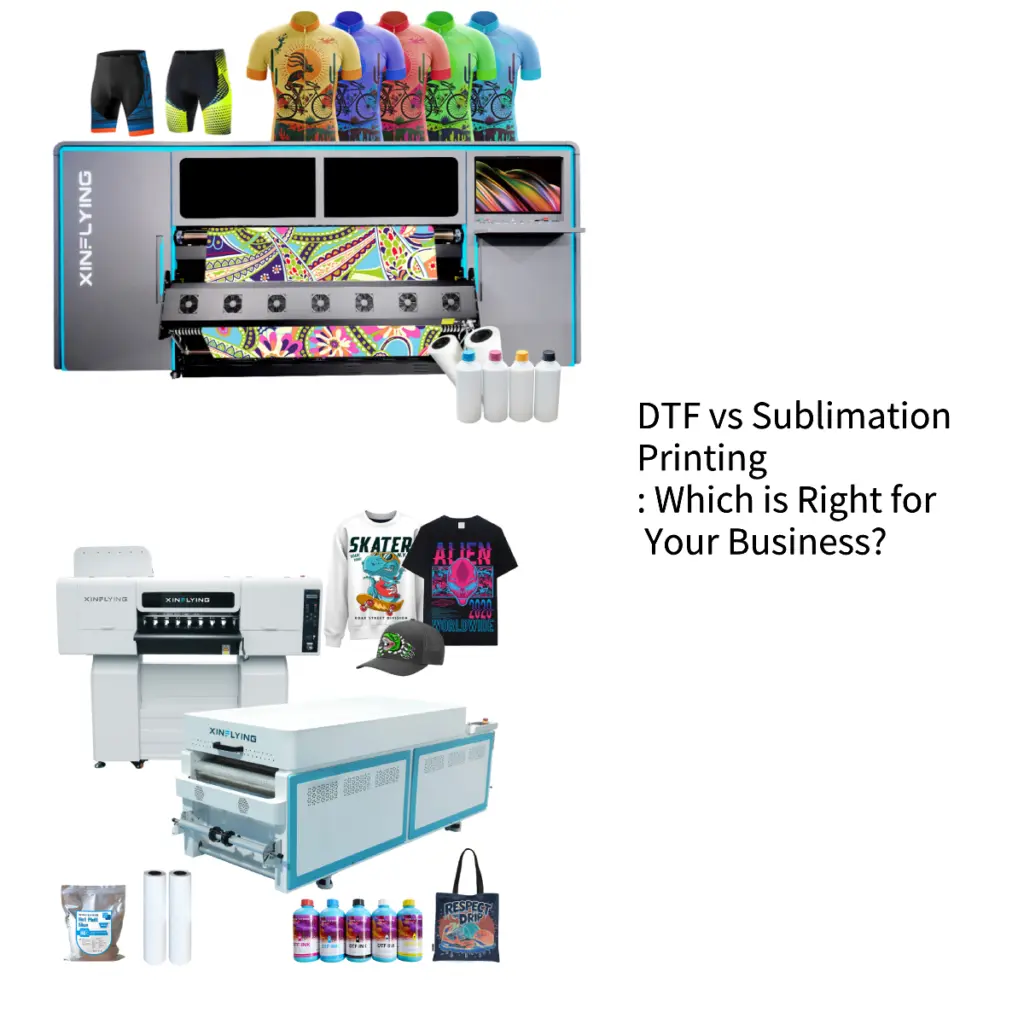
Az egyedi nyomdaiparban a két leggyorsabban fejlődő technológia a Direct to Film (DTF) és festékszublimációs nyomtatás. Mindkettő élénkséget eredményezhet, színes minták. Mindkettő sokkal rugalmasabb, mint a hagyományos szitanyomás. Mindkettő elég hozzáférhető kis üzletek és nagy termelő létesítmények számára egyaránt.
De ezek nem cserélhetők fel – és ha nem a megfelelőt választja vállalkozása számára, az azt jelentheti, hogy olyan berendezésekbe kell befektetni, amelyek nem felelnek meg a rendeléseinek, ügyfeleid, vagy a margóidat.
Ez az útmutató lebontja a DTF és a szublimációs nyomtatást minden olyan dimenzióban, amely az üzleti döntés szempontjából fontos: szubsztrátok, nyomtatási minőség, beállítást, költség, tartósság, és ideális használati esetek. A végére, pontosan tudni fogja, melyik technológia – vagy a kettő kombinációja – tartozik az üzletébe.
Mi van DTF nyomtatás?
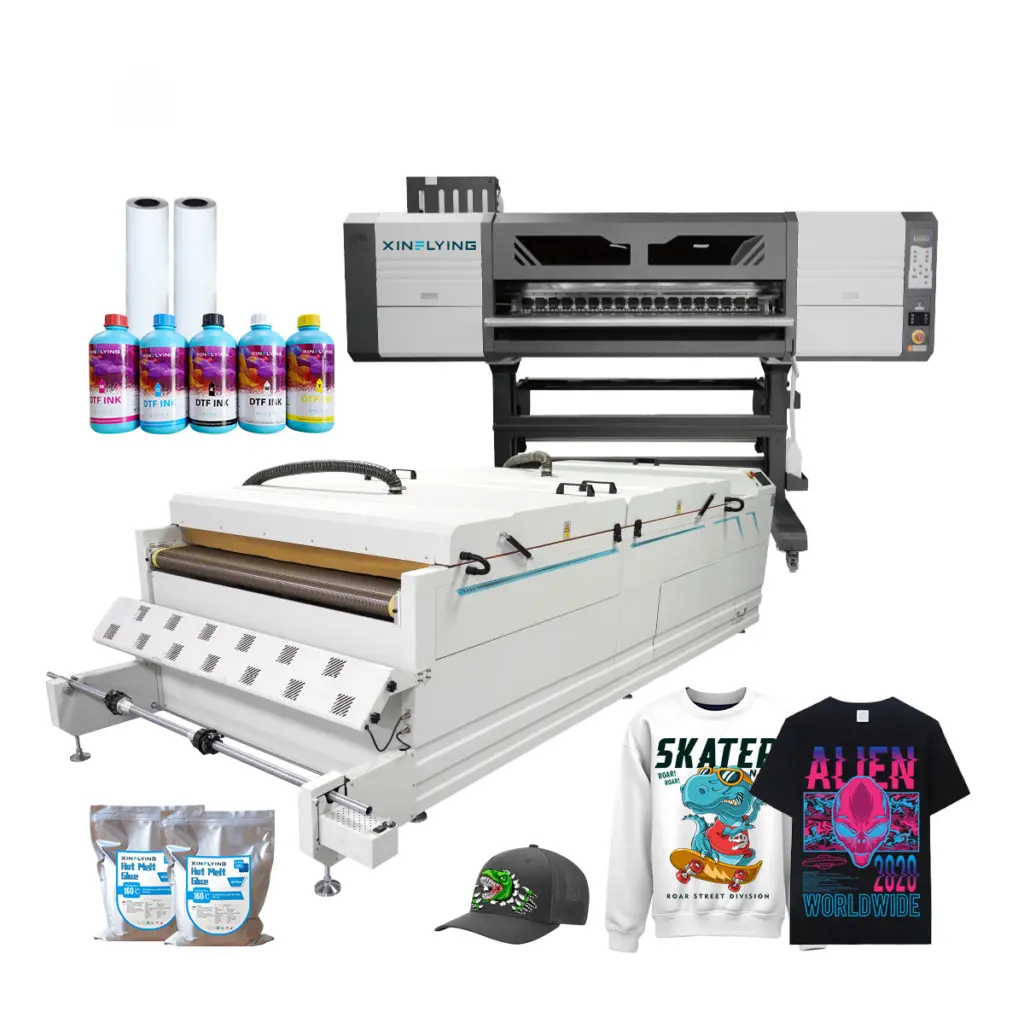
Közvetlenül a filmre (DTF) A nyomtatás egy olyan folyamat, amelyben a mintát speciális PET fóliára nyomtatják pigmentfesték segítségével (CMYK + Fehér), melegen olvadó ragasztóporral bevonva, meggyógyult, majd hőpréssel átvisszük a szövetre.
A DTF fő jellemzője, hogy először a filmen készítik el a dizájnt, majd felvisszük a ruhadarabra – ami azt jelenti, hogy szinte bármilyen szövettípushoz tud tapadni, száltartalomtól és színtől függetlenül.
Hogyan működik a folyamat:
- A design DTF PET fóliára van nyomtatva (először színes rétegeket, majd fehér tinta alatta)
- A forró olvadékragasztó port akkor alkalmazza, amikor a tinta még nedves
- A filmet kemencében vagy hőprésben érlelik a por megolvasztásához
- A transzfert rányomják a ruhára 160°C-on 6-10 másodpercig
- A film le van húzva (meleg vagy hideg a film típusától függően)
Mi van Szublimációs nyomtatás?
A festékszublimációs nyomtatás egészen más kémiai elven működik. A szublimációs tintát speciális transzferpapírra nyomtatják, majd nagy hőfokon rányomják az aljzatra (220° C). Ezen a hőmérsékleten, a tinta szilárdból gázzá alakul, és tartósan kötődik az anyag polimer szálaihoz.
Mert a tinta az anyag részévé válik, nem pedig a tetejére ül, a szublimáció egyedülállóan lágy, lélegző érzés textúra nélkül a felületen.
Hogyan működik a folyamat:
- A design szublimációs transzferpapírra van nyomtatva
- A papírt nyomtatott oldalával lefelé helyezze a hordozóra
- A hőpréselés 220°C-ra vonatkozik 20 másodpercig
- A papírt lehámozzák, hogy felfedje a kész transzfert
Fej-fej összehasonlítás
1. Szövet & Aljzatkompatibilitás
Ez a legnagyobb különbség a két technológia között.
DTF:
- Pamuton működik, poliészter, nejlon, farmer, Bőr, vászon, gyapjú, és keverékek
- Világos és sötét szövetekhez egyaránt használható (fehér tintaréteg biztosítja az átlátszatlanságot)
- Rugalmas és rugalmas anyagokon működik
- Nincs szükség szövet előkezelésére
- Nem szövet tárgyakon is működik, például táskákon, cipő, és foltok
Szublimáció:
- A legjobban poliészteren működik (95%+ poliészter tartalom a legjobb eredmény érdekében)
- Poliészter bevonatú kemény aljzatokon működik: bögrék, telefontokok, fémpanelek, kerámia csempe
- Pamutra NEM működik (a tintának nincs mihez kötnie)
- Sötét anyagokon NEM működik (A szublimációs tinta átlátszó – a színek kimosódnak a sötét háttéren)
- Nem használnak fehér tintát; magának az anyagnak fehérnek vagy nagyon világosnak kell lennie
Ítélet: A DTF nyer a szövet sokoldalúságában. A szublimáció nyer kemény felületeken.
2. Nyomtatási minőség & Színtermelés
DTF:
- Gazdagot termel, élénk színek kiváló részletességgel
- A fehér tinta olyan szilárd alapot hoz létre, amely a színeket feldobja a sötét ruhákon
- Enyhe textúra/kézérzés a nyomtatási felületen
- A finom részletek és színátmenetek jól reprodukálódnak 600–1200 dpi-nél
Szublimáció:
- Kivételesen termel, fényképészeti minőségű kimenet fehér poliészterre
- A színek az anyag részét képezik – teljesen sima, nincs felületi textúra
- Puha, légáteresztő érzés – egyáltalán nem érzi a dizájnt
- A színátmenetek és a fényképes képek lenyűgözőek
- A színek enyhén tompán jelennek meg a nem fehér háttéren
Ítélet: A szublimáció kiküszöböli a DTF-et a tiszta nyomtatási minőséggel a fehér poliészterhez. A DTF az egyetlen lehetőség sötét ruhákhoz és pamuthoz.
3. Tartósság & Mosásállóság
DTF:
- A jól végrehajtott DTF átvitel 40-50+ mosási ciklust bír ki
- A megfelelő kötési és préselési paraméterek elengedhetetlenek a tartóssághoz
- Idővel megrepedhet vagy leválhat, ha a ragasztópor vagy a préselés nem megfelelő
- Sok mosás után enyhe fakulás lehetséges, különösen gyenge minőségű tintával
Szublimáció:
- Mivel a tinta a szálba van ágyazva, lényegében állandó
- Nem reped, héj, vagy normál mosással elhalványul
- Nagyon magas hőmérsékleten történő mosás esetén a színek kissé elmozdulhatnak
- A hosszú távú tartósság a legtöbb esetben meghaladja a DTF-et
Ítélet: A szublimáció tartósabb, különösen a sportruházathoz és a gyakori mosáshoz szükséges tárgyakhoz.
4. Beállítás & Felszerelés
DTF beállítása:
- DTF nyomtató (A3-as asztali vagy kereskedelmi tekercses adagoló)
- RIP szoftver (Maintop, PhotoPrint, vagy hasonló)
- Melegen olvadó ragasztópor
- DTF PET fólia
- Porrázó és szárító sütő (kereskedelmi modellekbe integrálva)
- Hőprés
Szublimációs beállítás:
- Szublimációs nyomtató (átalakított Epson vagy erre a célra épített széles formátumú)
- Szublimációs tinta
- Szublimációs transzferpapír
- Hőprés (lapos prés ruhadarabokhoz, bögre prés csészékhez, stb.)
- Fehér poliészter blankok (a szublimációhoz speciális szubsztrátumok szükségesek)
Tanulási görbe: Mindkét technológia kalibrálást és tanulást igényel. A DTF korai görbéje meredekebb a fehér tinta karbantartása és a porfelhordás miatt. A szublimáció elnézőbb a mindennapokban, de szigorú szövet- és szubsztrátum-beszerzést igényel.
Ítélet: A szublimáció egyszerűbb napi munkafolyamattal rendelkezik. A DTF aktívabb karbantartást igényel.
5. Minimális rendelés & Rugalmasság
DTF:
- Nyereséges innen 1 darab
- Nincs minimális rendelési követelmény
- Minden dizájn külön költség nélkül eltérő lehet
- Ideális igény szerinti és kis tételes megrendelésekhez
Szublimáció:
- Szintén nyereséges 1 darab
- Mindegyik kialakítás eltérő lehet
- A szövetnyomtatás gyakran teljes tekercsben történik (mindenhol nyomtatott), ami nagyobb mennyiségben jobban működik
- Nincsenek minimumok vágott ruhadarabokra vagy kemény felületekre
Ítélet: Nyakkendő – mindkét technológia támogatja az egyrészes és a minimális gyártást.
6. Teljes körű nyomtatás
Ez az a kategória, ahová egyértelműen a szublimáció vezet.
Szublimáció a tökéletes technológia a teljes mintás ruhákhoz – atlétikai mezekhez, bokavédő, egyedi fürdőruha, és divatdarabok, ahol a design a varratokig terjed. A széles formátumú szublimációs nyomtatók akár szövettekercseket is képesek nyomtatni 64 hüvelyk széles, amelyeket aztán kivágnak és kész ruhadarabokká varrnak.
DTF elhelyezési nyomatokhoz használják – olyan mintákhoz, amelyeket egy meglévő ruhadarab meghatározott területére alkalmaznak (mellkas, ujj, vissza). A teljes DTF nyomtatás technikailag lehetséges, de ritka, mivel nagyon nagy transzfereket és magas ragasztási költségeket igényel.
Ítélet: A szublimáció a teljes körű nyomtatás egyértelmű nyertese. A DTF a kész ruhaneműk elhelyezésére való nyomtatáshoz.
Egymás melletti összefoglaló
| Funkció | DTF | Szublimáció |
|---|---|---|
| Pamut kompatibilitás | ✅ Igen | ❌ Nem |
| Sötét szövet nyomtatás | ✅ Igen | ❌ Nem |
| Poliészter nyomtatás | ✅ Igen | ✅ Igen (legjobb eredményeket) |
| Nyomtatás kemény hordozóra | ⚠️ Korlátozottan | ✅ Igen |
| Teljes körű nyomtatás | ❌ Nem praktikus | ✅ Igen |
| Nyomtatási tartósság | ✅ Jó (40– 50 mosás) | ✅ Kiváló (állandó) |
| Felületi érzés | Enyhe textúra | Teljesen sima |
| Fogyasztási költség | Közepes | Alacsony |
| Berendezés beruházás | Közepes-magas | Alacsony-közepes |
| Napi karbantartás | Magasabb | Alacsonyabb |
| Min. rendelési méret | 1 darab | 1 darab |
Melyik technológia felel meg az Ön vállalkozásának?
Válassza a DTF-et, ha:
- Vezessen egy általános, egyedi ruházati üzletet ruhatípusok széles skáláját szolgálja ki, színek, és szövetek
- Rendszeresen rendeljen sötét színű ruhákat — a fekete és sötétkék pólók a legkeresettebbek közé tartoznak, és a szublimáció egyszerűen nem tudja kezelni őket
- Nem minimumot szeretne ajánlani, igény szerinti nyomtatás anélkül, hogy az ügyfeleknek meghatározott üres típusokat kellene vásárolniuk
- Nyomtatás az atlétikai ruházatra, táskák, kalapok, vagy tartozékokat vegyes szövetekből készült
- Áttérnek a szitanyomásról és rugalmasabb technológiával szeretné megtartani meglévő ügyfélkörét
Ha szeretné, válassza a szublimációt:
- Fehér poliészter sportruházatra specializálódott — csapatmezek, kerékpáros készletek, jóga viselet, fürdőruha
- Kemény aljzatú termékek értékesítése - egyedi bögrék, telefontokok, fém nyomatok, kerámia csempe, vagy fotópanelek
- Összpontosítson a mindenhol nyomtatott divatra ahol a minta az egész ruhadarabot lefedi
- Mindenekelőtt a nyomtatás tartósságát részesítse előnyben — a szublimációs nyomatok lényegében állandóak
- A lehető legalacsonyabb fogyasztási költséget szeretné léptékben
Futtassa mindkettőt, ha:
Sok sikeres nyomdaipari vállalkozás használja a két technológiát egymás mellett. A DTF kezeli a sötét szövetet, pamut, és vegyes szálas rendelések. A szublimáció kezeli a poliészter nyomatokat és a kemény hordozók megrendeléseit. Együtt, szinte minden egyedi nyomtatási esetet lefednek átfedés nélkül és minimális hulladékkal.
Miről DTG?
Közvetlenül a ruhadarabhoz (DTG) A nyomtatás a harmadik technológia, amely gyakran előkerül ebben az összehasonlításban. Röviden:
- A DTG közvetlenül a pamut ruhaneműkre nyomtat, kiváló lágysággal és légáteresztő képességgel
- A szövet előkezelését igényli, és magas pamuttartalmú anyagokon működik a legjobban
- A nyomtatásonkénti tintaköltség magasabb mind a DTF, mind a szublimációnál
- Ideális rövidtávra, kiváló minőségű pamutnyomatok, ahol a tapintás ugyanolyan fontos, mint a szín
A DTG egy rést foglal el a DTF és a szublimáció között a prémium pamut alkalmazásokhoz. A legtöbb induló üzlethez, A DTF jobb rugalmasságot kínál alacsonyabb költségek mellett.
Gyakran Ismételt Kérdések
K: Alkalmazhatók-e DTF átvitelek szublimációs nyersdarabokra?? A: Igen, A DTF transzferek poliészter bevonatú kemény aljzatokra alkalmazhatók, de vegyes eredménnyel. A szublimációs bevonathoz tervezett kemény aljzatok esetében továbbra is a szublimáció az előnyben részesített módszer.
K: A szublimációs tinta mosható? A: Igen – mert a szublimációs tinta kémiailag kötődik a poliészter szálhoz, normál körülmények között nem mosódik ki. Lényegesen mosásállóbb, mint a DTF.
K: Kell-e speciális nyomtató a szublimációhoz?? A: Igen. A szublimációhoz vagy egy erre a célra épített szublimációs nyomtatóra vagy egy szublimációs tintával átalakított Epson tintasugaras nyomtatóra van szükség. Szabványos pigment- vagy festéktinta nyomtatók nem használhatók.
K: Átalakíthatom a DTF nyomtatómat szublimációra?? A: Nem. A DTF és a szublimáció alapvetően eltérő festékkémiát használ, és eltérő hardvert igényel. Nem cserélhetők fel.
K: Melyik technológia rendelkezik nagyobb haszonkulccsal nyomtatásonként? A: Az árképzési modelltől függ. A szublimáció alacsonyabb fogyasztási költségekkel jár, ami növeli az árrést a léptékben. A DTF lehetővé teszi a prémium árazást kis megrendelések és sötét ruhadarabok esetén, ahol nincs alternatív technológia, amely még magasabb fogyasztási költségek mellett is erős haszonkulcsot tud produkálni.
Következtetés
A DTF és a szublimációs nyomtatás egymást kiegészítő technológiák, nem versenytársak. A helyes választás szinte teljes mértékben attól függ, hogy mit rendelnek az ügyfelek.
Ha széles egyedi ruházati piacot szolgál ki – pamut pólók, sötét ruhák, vegyes szövetek, kis tételes rendelések – A DTF az alapja. Ha a sportruházatot célozza meg, mindenütt nyomtatott divat, vagy kemény aljzatok – a szublimáció a jobb eszköz.
Azoknak az üzleteknek, amelyek a vásárlók lehető legszélesebb körét kívánják kompromisszumok nélkül kiszolgálni, mindkét technológia futtatása egy jól bevált stratégia, amely kiküszöböli a rendelések visszautasítását.
Kapcsolódó cikkek: