The European digital textile printing market is showing strong growth momentum in 2026, driven by sustainability regulations, near-shoring trends, and increasing consumer demand for personalized products. According to industry analysis, Europe represents approximately 25% of the global digital textile printing market, with Germany, Italy, and the United Kingdom leading adoption.
Sustainability regulations are a primary driver. The European Union’s Green Deal and Circular Economy Action Plan impose strict requirements on textile manufacturing, including water usage limits, chemical restrictions, and extended producer responsibility. Digital textile printing’s lower environmental impact—reduced water consumption, fewer chemicals, less waste—makes it attractive for compliance.
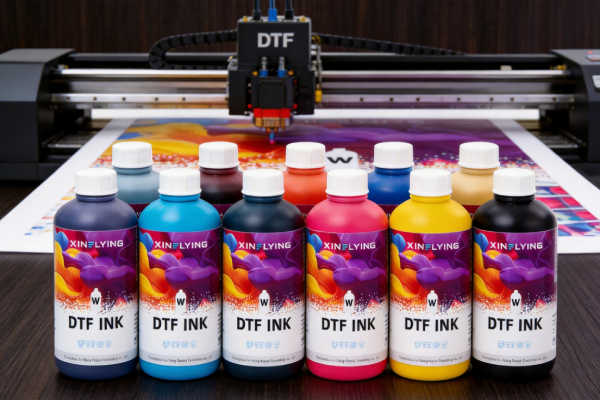
REACH regulations restrict numerous chemicals used in traditional textile printing. Digital printers using water-based inks and eco-friendly consumables face fewer compliance burdens than analog operations. Some brands require suppliers to demonstrate digital capabilities as part of sustainability commitments.
Near-shoring is accelerating digital adoption. Rising labor costs in traditional manufacturing hubs and supply chain disruptions during the pandemic have prompted European brands to source closer to home. Digital printing’s lower labor requirements and faster turnaround times make near-shored production economically viable.
Germany leads European adoption, with strong textile manufacturing heritage and engineering expertise. Italian printers are also rapidly adopting digital technologies, particularly for fashion and luxury applications where quality is paramount. The United Kingdom’s print-on-demand sector has grown significantly, driven by e-commerce and influencer-led merchandise.
FESPA, Europe’s leading print industry association, has played a key role in promoting digital adoption through education, research, and events. The organization’s Global Print Expo in Barcelona attracts thousands of European printers seeking the latest digital solutions.
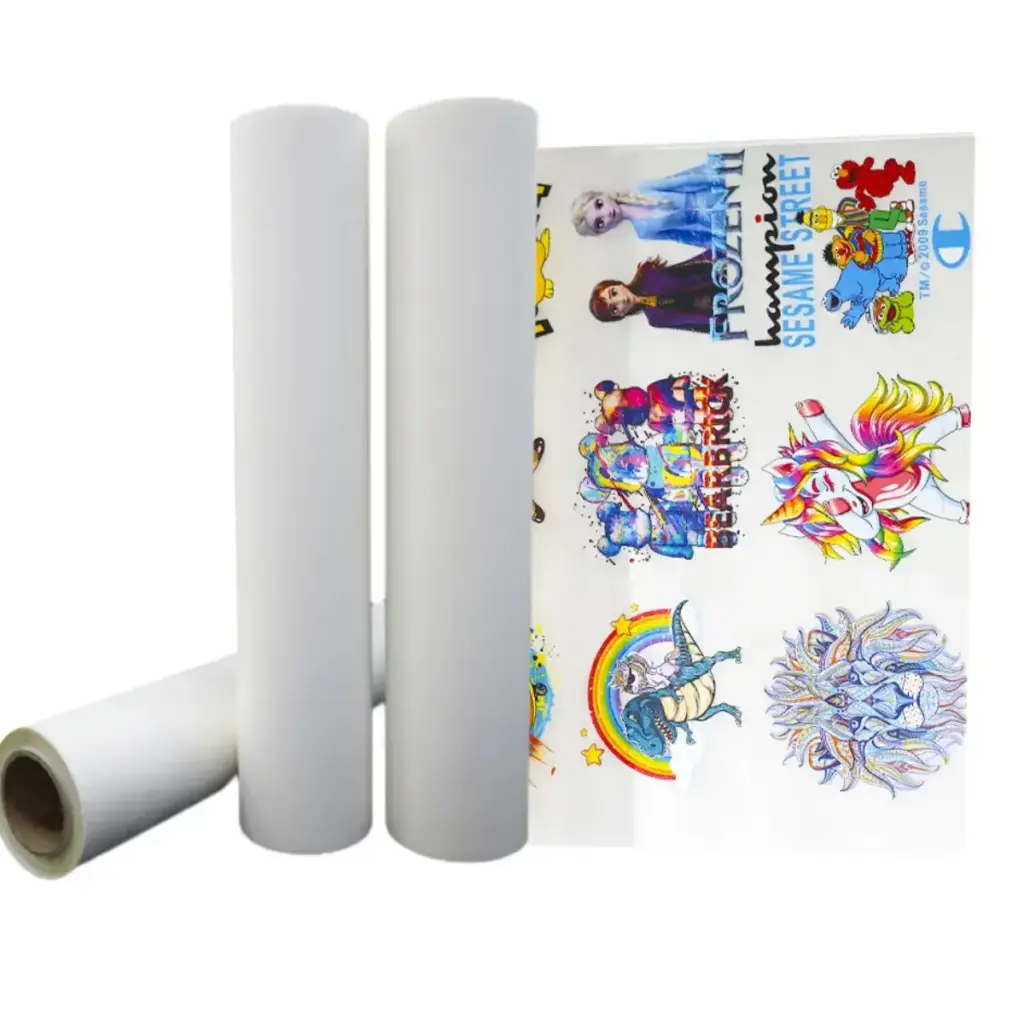
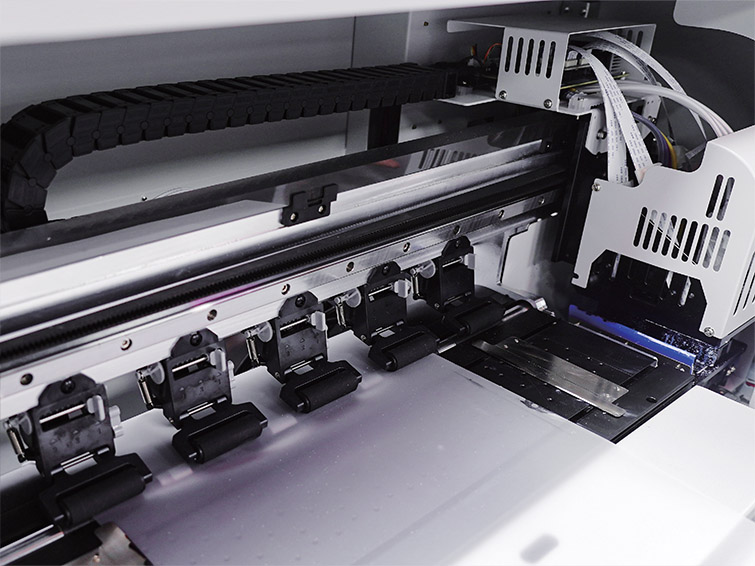
DTF technology has gained particular traction in Europe. Its ability to print on any fabric without pre-treatment appeals to printers serving diverse customer bases. Entry-level DTF systems have become affordable for small shops, democratizing access to digital garment decoration.
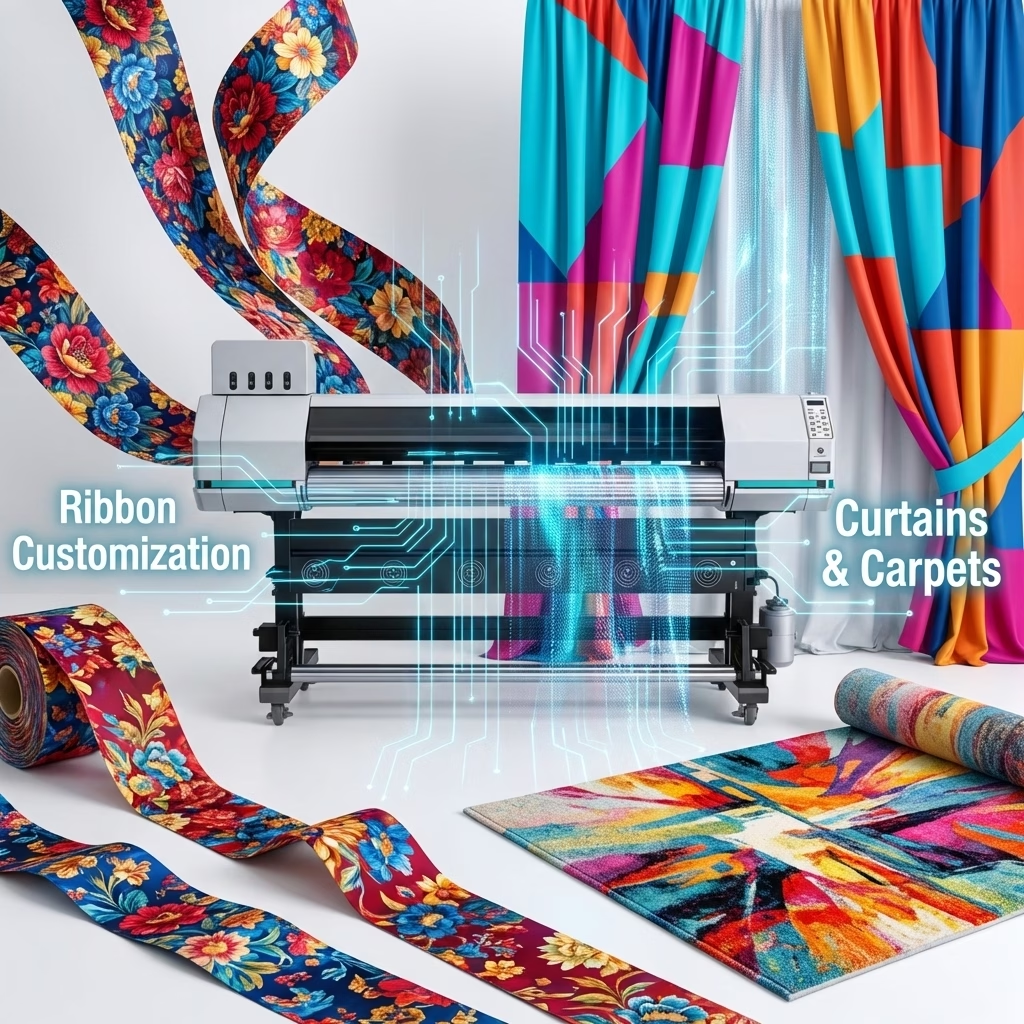
Sublimation remains strong for sportswear, soft signage, and home décor applications. European sportswear brands have embraced sublimation for custom team uniforms and activewear collections. The technology’s vibrant colors and durability suit European quality expectations.
UV DTF is growing rapidly for promotional products and industrial applications. European businesses value the technology’s ability to decorate rigid substrates with photo-realistic quality, supporting premium product positioning.
Challenges remain. Energy costs in Europe have increased significantly, affecting operating expenses for print shops. Labor shortages make automation increasingly attractive but require capital investment. Competition from low-cost imports pressures margins, particularly for commoditized products.
Despite challenges, the European digital textile printing market outlook remains positive. Projections suggest continued growth at 8–10% annually through 2030, driven by sustainability, personalization, and technology advances.
Xinflying serves European customers with DTF printers, UV DTF printers, and sublimation printers designed for European quality standards and supported by local technical resources.