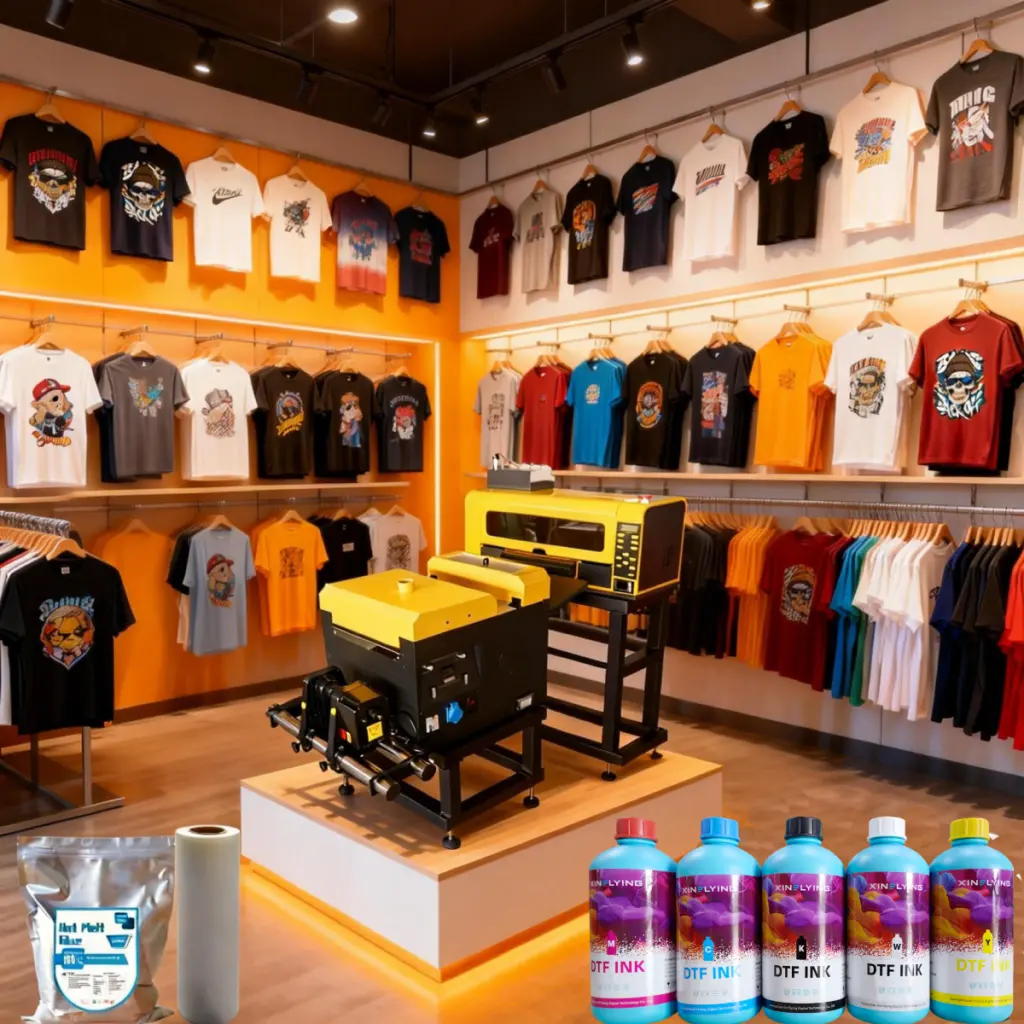
The global DTF (Direct to Film) printing market is no longer an emerging niche—it is becoming a mainstream solution in apparel printing. According to a recent Grand View Research Direct to Film Printing Market Report, the global DTF printing market was valued at approximately USD 2.72 billion in 2024 and is projected to reach USD 3.92 billion by 2030, growing at a CAGR of around 6%.
This steady growth reflects a fundamental shift in how apparel, custom merchandise, and textile products are produced—moving toward short runs, fast delivery, and on-demand customization.
But what does this market trend actually mean for print shops, startups, and small apparel businesses? And how can the right DTF printing machine turn this opportunity into real production efficiency and profit?
Why Is DTF Printing Replacing Traditional Apparel Printing Methods?
The research highlights several core drivers behind DTF market expansion:
1. Rising Demand for Custom Apparel & Short-Run Orders
Traditional screen printing requires setup, plates, and volume to stay profitable. In contrast, DTF printing allows businesses to produce custom DTF prints with minimal setup, making it ideal for personalized T-shirts, small batches, and fast fashion drops.
2. Broader Fabric Compatibility
Unlike DTG or sublimation, DTF printers support cotton, polyester, blends, and even complex fabrics. This versatility is one of the main reasons DTF printing is gaining adoption across T-shirt printing machines, promotional apparel, and commercial printing.
3. Technology Improvements in DTF Printing Machines
The report emphasizes that dedicated DTF printers represent the largest market segment. Businesses are shifting away from modified inkjet setups toward purpose-built DTF printing machines that offer higher stability, consistency, and automation.
Where Do Small Businesses Fit into This Market Growth?
While large manufacturers adopt industrial-scale systems, small and medium businesses are becoming one of the fastest-growing user groups in the DTF printing market.
However, market growth alone does not guarantee success. The key challenge is choosing a DTF printer for small business that balances:
- Print quality
- Equipment stability
- Ease of operation
- Cost efficiency
This is exactly where an A3-format dual-head DTF printer, such as the 400D+400H A3 Dual Heads XP600 DTF Printer, becomes a practical solution.
How the 400D+400H A3 XP600 DTF Printer Addresses Market Needs
As highlighted in the research, efficiency and reliability are becoming decisive factors in DTF adoption. The 400D+400H DTF printing machine is designed specifically to solve common bottlenecks faced by growing apparel businesses.
▶ Stable Dual-Head Printing for Consistent Output
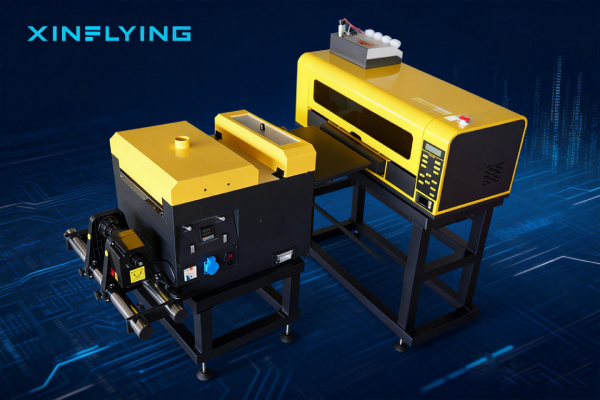
Equipped with dual XP600 printheads, the printer delivers accurate ink placement and stable white ink layers—critical for producing high-quality DTF prints on dark and light garments.
▶ Automatic Film Take-Up for Continuous Production
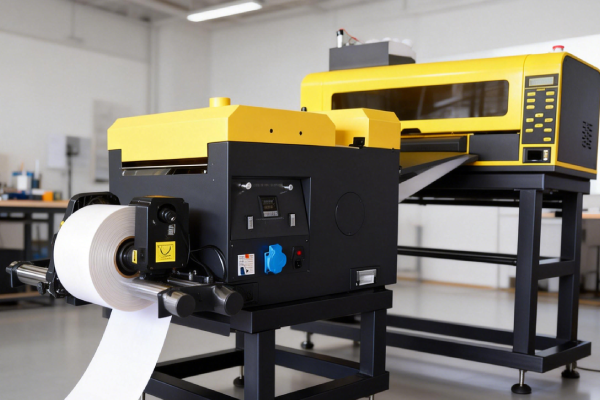
One of the most common efficiency issues in entry-level DTF setups is manual film handling. The automatic sensing take-up system ensures smooth PET film feeding, reducing misalignment and downtime during longer print runs.
▶ Imported Silent Linear Rails for Precision
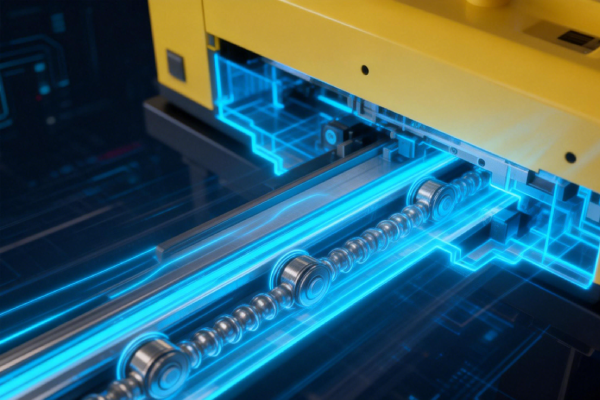
High-speed printing demands mechanical stability. The use of imported silent linear guide rails improves motion accuracy while reducing vibration and noise—key for long-term printhead protection and consistent output.
▶ Hansen Control Board for Industrial Reliability
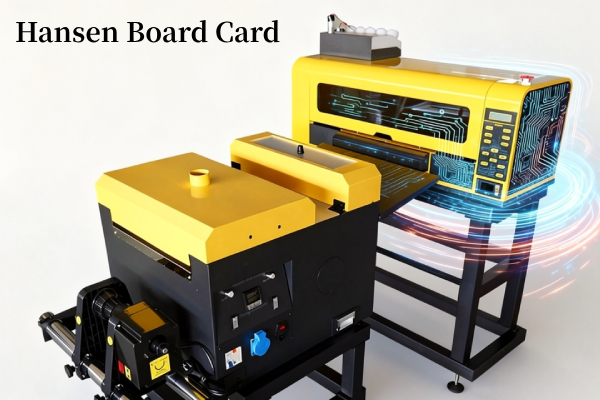
The Hansen board control system enhances signal stability, motion synchronization, and ink control, helping reduce common issues such as banding, misregistration, or ink interruption.
Together, these features align closely with the market trend identified in the research: businesses are prioritizing dedicated, stable DTF machines over modified or entry-level solutions.
Technical Advantages Compared to Traditional Apparel Printing
When evaluated against DTG and screen printing, DTF printing machines like the 400D+400H provide:
- Lower startup costs compared to commercial screen printing
- No fabric pre-treatment required
- Faster turnaround for custom DTF prints
- Better scalability for e-commerce and local apparel brands
This makes DTF printing not just a trend, but a long-term production strategy supported by market data.
What the Market Report Tells Us About the Future of DTF Printing
According to the research, regions such as North America, Europe, and Asia-Pacific continue to increase investment in digital textile printing infrastructure. Growth in e-commerce, private-label apparel, and localized production strongly supports ongoing demand for DTF printers for sale—especially compact, efficient systems suitable for small businesses.
For print shops asking:
- Is DTF printing still worth investing in?
- What is the best DTF printer for beginners or small businesses?
The answer is clear: market momentum favors reliable, automation-ready DTF printing machines that can adapt to fast-changing order volumes.
Conclusion: Turning Market Growth into Real Production Value
The DTF printing market is growing not just because of demand, but because the technology now meets real-world business needs. Research data confirms the trend, while machines like the 400D+400H A3 Dual Heads XP600 DTF Printer demonstrate how that trend translates into practical, scalable production.
For businesses looking to enter or expand in apparel printing, investing in the right DTF printing machine is no longer optional—it is a strategic decision backed by market data, technology maturity, and customer demand.