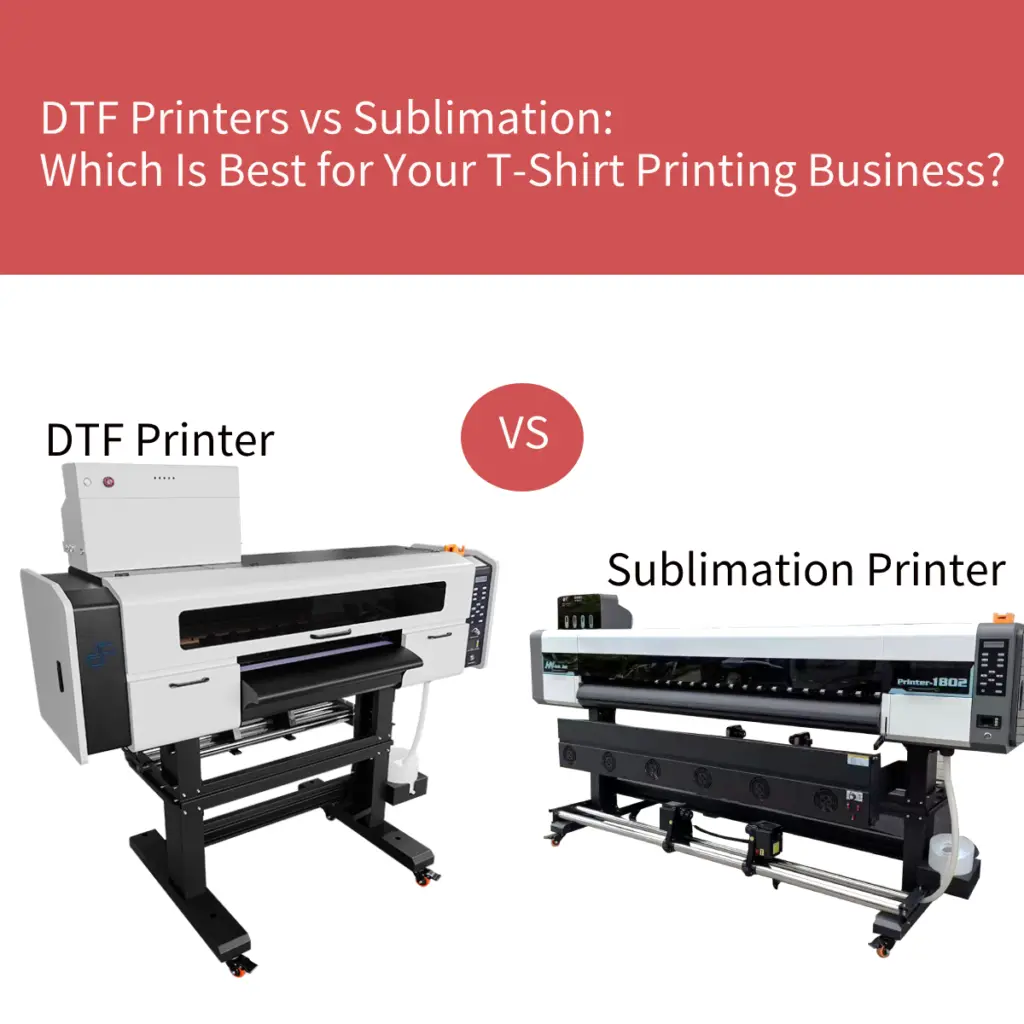
If you’re starting a small business and looking to invest in a DTF printer or a sublimation printer, you’re likely wondering which option is the best for your needs. Both DTF printing and sublimation printing have their benefits, but they are designed for different types of applications. In this blog post, we’ll compare DTF printers and sublimation printers, helping you understand the differences, advantages, and what suits your printing needs best.
What is a DTF Printer?
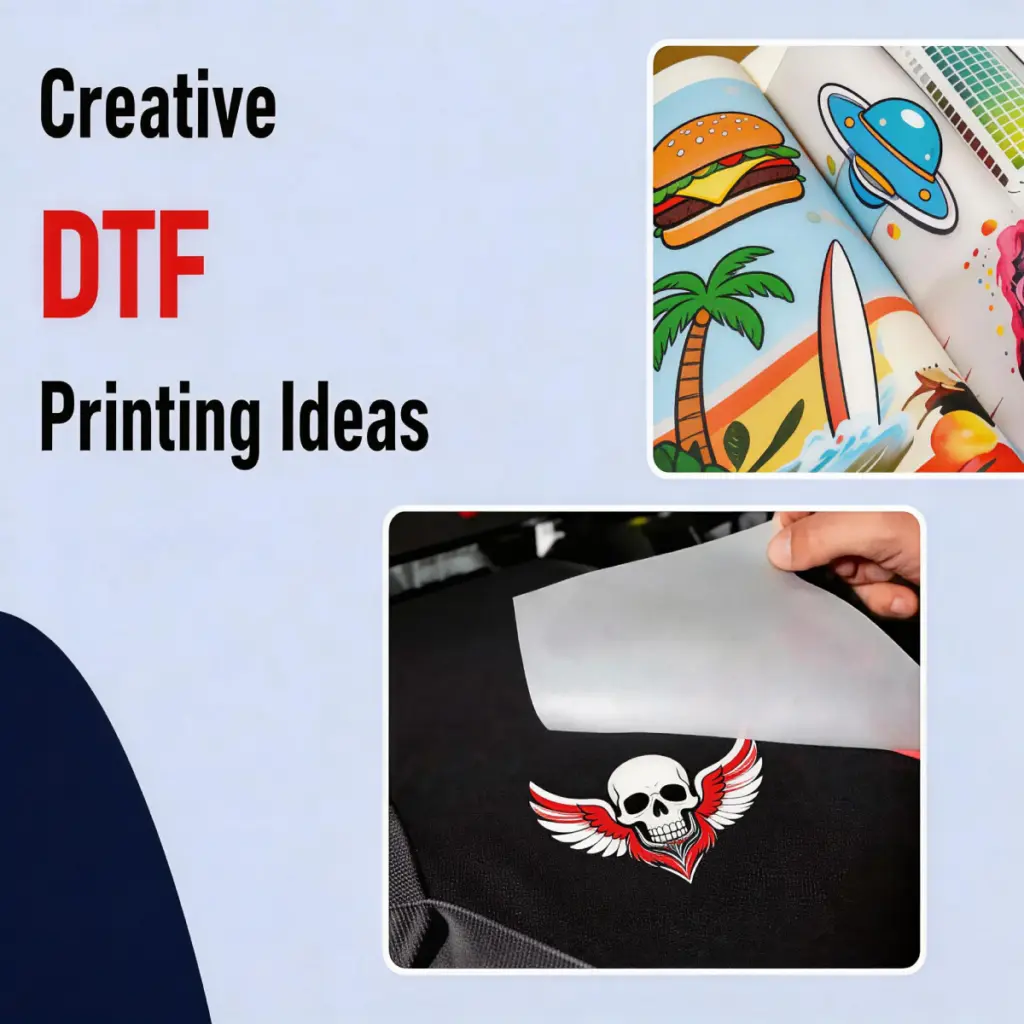
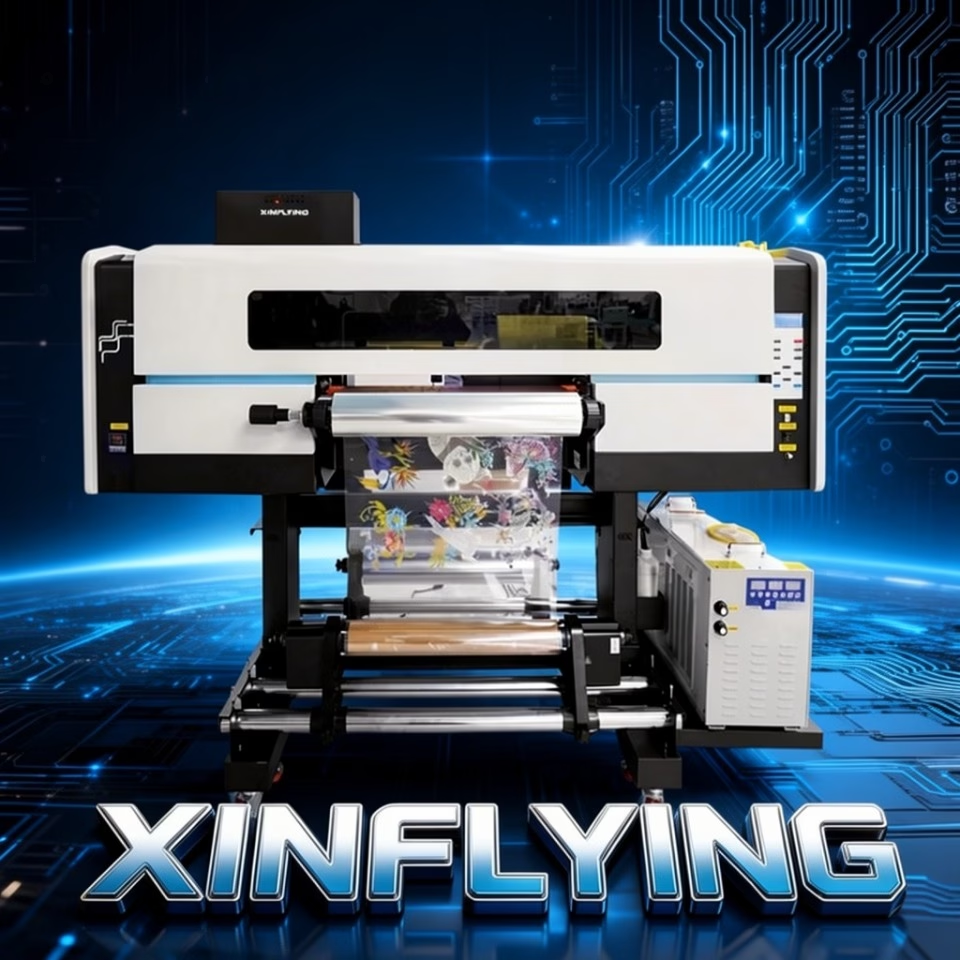
Before diving into the comparison, let’s first define what a DTF printer is. DTF stands for Direct to Film, which is a newer printing technology. A DTF printer works by printing designs onto a special film, which is then transferred to a garment using heat and adhesive powder. This method allows for printing on a wide variety of materials, including cotton, polyester, and blends, making it highly versatile for custom t-shirt printing.
DTF Printers for sale have gained popularity because they offer high-quality prints with a quicker production time than traditional methods like screen printing or heat transfer vinyl (HTV). Plus, DTF printing typically costs less in terms of consumables and requires less setup time.
Explore:DTF printing vs heat transfer vinyl
DTF Printers vs. Sublimation Printing: Key Differences
1. Application & Materials
- DTF Printing: The major advantage of DTF printers is their versatility. Unlike sublimation, which works best on polyester or polyester-coated materials, DTF can print on almost any fabric, including cotton. This makes it a top choice for custom t-shirt printing, especially if you want to offer a variety of fabric options to your customers.
- Sublimation Printing: On the other hand, sublimation printing is primarily suited for polyester fabrics and polymer-coated items. While it offers vibrant, durable prints, its material limitations make it less versatile than DTF printing.
2. Durability of Prints
- DTF Printing: The prints created by DTF printers are highly durable and can withstand frequent washing without fading. The transfer process involves an adhesive powder, which bonds well with the fabric, ensuring long-lasting prints that retain their vibrancy.
- Sublimation Printing: Sublimation prints are known for their vibrant colors and long-lasting results, but the prints are only permanent on polyester fabrics. On other fabrics, the colors may fade more quickly.
3. Cost Efficiency
- DTF Printer Price: A DTF printer can be more affordable upfront, with DTF printer prices generally lower than those of sublimation printers, especially when considering the costs of consumables like transfer papers and inks. The best DTF ink is also often more affordable than sublimation inks, making DTF printing a cost-effective option for small businesses just starting out.
- Sublimation Printing: Sublimation printers often have higher initial costs and require sublimation ink, which can be more expensive than DTF printer ink. However, the ink is designed to be highly efficient, and the cost per print can be lower in the long run, especially when producing large batches of prints.
4. Print Quality
- Both DTF printers and sublimation printers produce high-quality prints, but the final results depend on the material and the printer’s capabilities.
- DTF Printing: DTF printers are excellent at producing vibrant, detailed designs on a variety of materials, making them ideal for custom t-shirts and other garment prints.
- Sublimation Printing: Sublimation printing delivers vibrant prints, but only on polyester or polymer-coated fabrics. It’s known for the smoothness and clarity of its prints, especially for photo-realistic designs.
| Feature | DTF Printer (Direct to Film) | Sublimation Printer |
|---|---|---|
| Applicable Materials | Cotton, Polyester, Blended Fabrics | Polyester, Polyester-coated Materials |
| Printing Method | Prints onto film, then transfers design onto fabric | Converts ink to gas and bonds directly to polyester fibers |
| Print Quality | High quality, durable prints, works on a variety of materials, resistant to fading after printing | Vibrant and durable prints, typically for polyester fabrics, great for photo-quality prints |
| Initial Equipment Cost | Relatively low initial equipment cost, suitable for small businesses | Higher initial cost, especially for equipment and consumables |
| Long-term Consumable Cost | Lower cost for DTF inks and film consumables | Higher cost for sublimation inks over time |
| Printing Speed | Faster, ideal for high-volume production | Faster, suitable for high-resolution prints and bulk production |
| Product Types | T-shirts, Hats, Bags, Shoes, and more | T-shirts, Sportswear, Custom items (like mugs, phone cases) |
| Color Durability | Long-lasting and wash-resistant on various fabrics | Long-lasting and wash-resistant, but only on polyester fabrics |
| Complexity of Operation | Relatively simple, ideal for quick production setups | Requires specialized equipment and materials for best results |
| Best Fit for Customers | Perfect for small businesses and custom shops that handle a variety of materials | Best for large-scale production, focused on polyester products |
| High-Resolution Printing | Can offer high-resolution prints, but may not match sublimation for fine detail in some designs | Provides superior detail and color reproduction, especially for photo prints |
Which Printer Is Best for Your Small Business?
Now that we’ve compared the two printing technologies, let’s look at which one might be the best for your small business:
Choose a DTF Printer If:
- You want to print on a wide variety of fabrics, including cotton, polyester, and other blends.
- You’re looking for a more affordable printing method with fewer material restrictions.
- You’re interested in offering custom t-shirt printing with high-quality results at a lower cost.
- You want to invest in a machine with flexible capabilities and fast production time.
Choose a Sublimation Printer If:
- Your primary focus is on polyester fabrics or polymer-coated materials (such as mugs, phone cases, or sportswear).
- You’re willing to invest more upfront but benefit from lower ongoing consumable costs.
- You need high-resolution prints, especially for photo-realistic designs.
DTF Printers for Small Business: The Bottom Line
If you are looking for a best DTF printer for small business purposes, DTF printers are generally the better option due to their versatility and affordability. You can print on a wide variety of materials, from cotton to polyester, and create vibrant designs on t-shirts, hoodies, and other garments. Furthermore, the DTF printer price is often more accessible, making it a cost-effective choice for small businesses starting out.
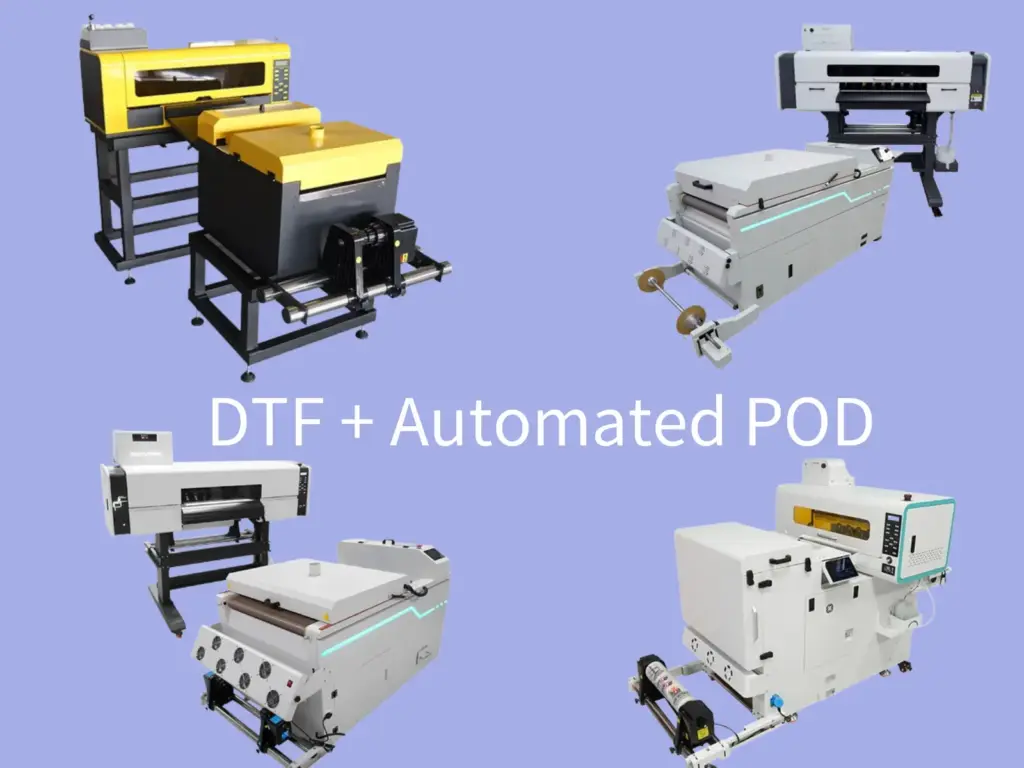
Whether you’re considering investing in a DTF printer for sale or trying to figure out DTF vs sublimation, the DTF machine printer is a reliable solution for those looking to expand their printing capabilities with minimal investment.
FAQs
Q1: What is a DTF printer?
A: A DTF printer (Direct to Film printer) prints designs onto a film, which is then transferred to the fabric using heat and adhesive powder, making it suitable for a wide range of materials including cotton.
Q2: How does DTF printing compare to sublimation?
A: DTF printing can be used on cotton and polyester, while sublimation is limited to polyester and polymer-coated materials. DTF printing offers more versatility and is better for custom t-shirt printing.
Q3: What is the best DTF ink for my printer?
A: The best DTF ink is one that is compatible with your printer model and provides vibrant, durable prints. Be sure to choose high-quality DTF ink designed for longevity and optimal performance.
Q4: Is DTF printing cheaper than sublimation?
A: Yes, DTF printing is generally more cost-effective due to lower initial machine costs and cheaper consumables compared to sublimation printing. However, long-term costs can vary depending on your production scale.
Q5: Can I use a DTF printer for t-shirt printing?
A: Absolutely! DTF printers are perfect for t-shirt printing and can print on a wide range of materials, including cotton, polyester, and blends, making it a versatile option for custom apparel businesses.