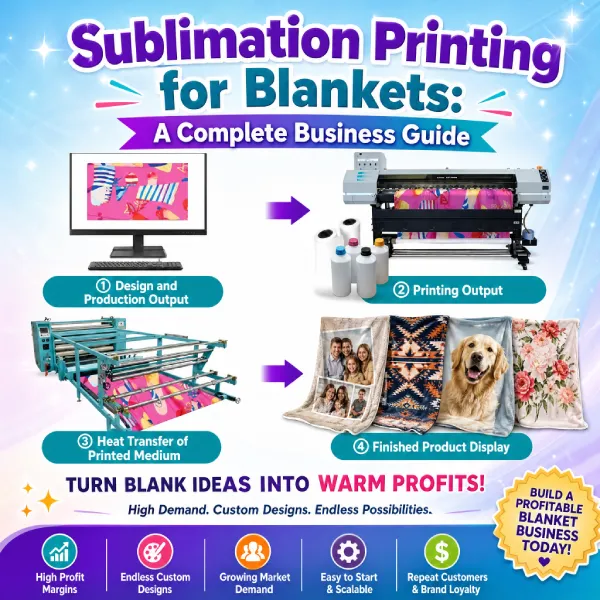
Custom photo and pattern blankets are a consistently strong seller in the gift and home décor market, and sublimation is the printing method behind almost all of them. Here’s how sublimation printing for blankets works, what fabric and equipment you need, and what to consider before adding blankets to your product line.
What Is Sublimation Printing for Blankets?
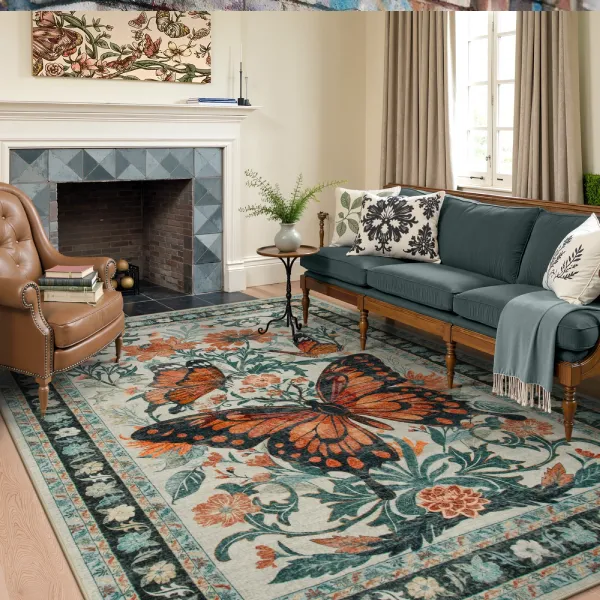
Sublimation printing for blankets uses the same core process as fabric sublimation generally: a design is printed onto sublimation transfer paper, then pressed against a polyester fleece or plush blanket using heat and pressure. The ink converts to a gas under heat and bonds directly into the polyester fibers, producing a soft, vibrant, all-over design that becomes part of the blanket rather than a layer printed on top of it.
Why Fabric Choice Matters More for Blankets
Blankets are judged as much by feel as by appearance, so fabric choice matters even more here than in apparel. Polyester fleece and plush fabrics are the standard choice because they combine a high polyester content (needed for the ink to bond properly) with the soft, cozy hand-feel customers expect from a blanket. Lower-quality or blended fabrics may hold a print reasonably well but sacrifice the plush texture that makes a blanket feel premium.
Equipment You Need for Sublimation Blankets
- A dye sublimation printer with a print width appropriate for your blanket sizes — wider formats reduce or eliminate the need to piece together multiple printed panels.
- Sublimation ink and transfer paper sized to match your printer and typical blanket dimensions.
- A large-format heat press or rotary/calendar press capable of covering a full blanket, since standard garment-sized presses are usually too small.
- Heat-resistant paper or a protective sheet to prevent scorching and keep pressure even across the blanket’s surface during pressing.
The Blanket Sublimation Process, Step by Step
- 1. Prepare the design: create or size the artwork to match the blanket dimensions, accounting for any bleed or border the design calls for.
- 2. Print onto transfer paper: print the design using sublimation ink, sized and tiled if needed to match your printer’s width relative to the blanket.
- 3. Position on the blanket: lay the printed transfer paper design-side-down onto the fleece or plush fabric, aligning it carefully since blankets are harder to reposition once pressing starts.
- 4. Press: apply heat and even pressure across the full blanket surface, in one pass or in sections depending on your press size, following the time and temperature settings for your specific fabric and ink.
- 5. Cool and inspect: allow the blanket to cool before handling, then check the full surface for any faded sections, which usually points to uneven pressure during the press.

Common Challenges with Blanket Sublimation
- Even pressure across a large surface: blankets are far larger than a typical heat press platen, so uneven pressure — especially at the edges — is one of the most common sources of faded or patchy sections.
- Fabric shrinkage or shifting: some fleece fabrics shift slightly under heat, so securing the transfer paper in place before pressing helps prevent misaligned or blurred designs.
- Matching printer width to blanket size: printers narrower than the blanket require piecing together printed panels, which adds a visible seam unless carefully planned into the design.
Is Blanket Sublimation a Good Addition to Your Product Line?
Blankets tend to sell well as personalized gifts — especially around holidays and for photo-based keepsakes — and carry a higher price point than smaller items like mugs or phone cases, which can make them a strong margin product once your fabric costs and press time are accounted for.
Frequently Asked Questions
Polyester fleece and polyester plush fabrics work best, since sublimation ink needs a high polyester content to bond properly. Blankets made from cotton or wool won’t hold a sublimated design well, regardless of the printer or ink quality used.
Properly sublimated blankets on suitable polyester fabric generally hold their color well over repeated washing, since the ink is infused into the fibers rather than sitting on the surface — following the fabric’s recommended wash instructions helps maintain vibrancy long-term.
Full-size throw blankets typically require either a large-format flat heat press sized to the blanket, or a rotary/calendar heat press that feeds the fabric through continuously — a standard t-shirt-sized heat press usually can’t cover a full blanket in one pass.
Sublimation supports both — an all-over, edge-to-edge design across the entire blanket, or a centered photo/design with a plain or bordered background, depending on the customer’s preference and the printer’s width relative to the blanket size.
Throw blankets (roughly 50×60 inches) are the most common size for personalized photo and gift blankets, though sellers also offer smaller lap-size and larger queen/king-size options depending on demand and printer/press capacity.
Related Resources
• What Is a Wide Format Sublimation Printer Used For
• 9+ Best Sublimation Ideas for Beginners
• Browse all Dye Sublimation Printers
External reference — Polyester (Wikipedia)